
I just got back to Cape Town last night after a great trip to KwaZulu-Natal! My reading week post is going to be broken up into a couple sections so as not to overwhelm you, dear reader! I had intended to update halfway through the week, but the internet at our safari camp wasn’t good enough to upload photos (come on, who builds a safari camp without 3G? These guys need to get their priorities checked). Obviously my priority this past week was seeing lots of adorable animals and relaxing a bit (because life in Cape Town is sooo stressful). I think it’s safe to say we accomplished that goal!
This first post will cover the time Ali and I spent in St. Lucia, and I’ll follow it with a post on safari in Tembe and a post on relaxing in Durban!
Ali and I took off early last Friday morning, flying from Cape Town to Durban. We rented a car there to head up the coast to St. Lucia Estuary for two nights. It was a bit of a confusing road trip at first, due mostly to South Africa’s lack of signs, but after a half hour detour heading back towards Cape Town, we ended up heading in the right direction! There was also a bit of construction on the road, and the ‘slow down for worker’ signs were absolutely hilarious – along with a photo of a construction worker with his hands clasped together in prayer were the words ‘please don’t kill us.’
The drive up to St Lucia was quite pretty for the most part. We had planned on stopping in Richard’s Bay, which was one of the few towns on the way from Durban to St. Lucia, because it sounded like a nice seaside town to break up the drive. Instead, we got to see signs for the Hilltop Smelter and Woodchip Glade. I think Dryden should take a page out of their book and rename the area around the mill, for the sake of the tourism industry.
Upon arriving in St Lucia, we headed to our cabin to unpack. We realized that there was something lost in translation in our booking when we saw our designated parking spot.
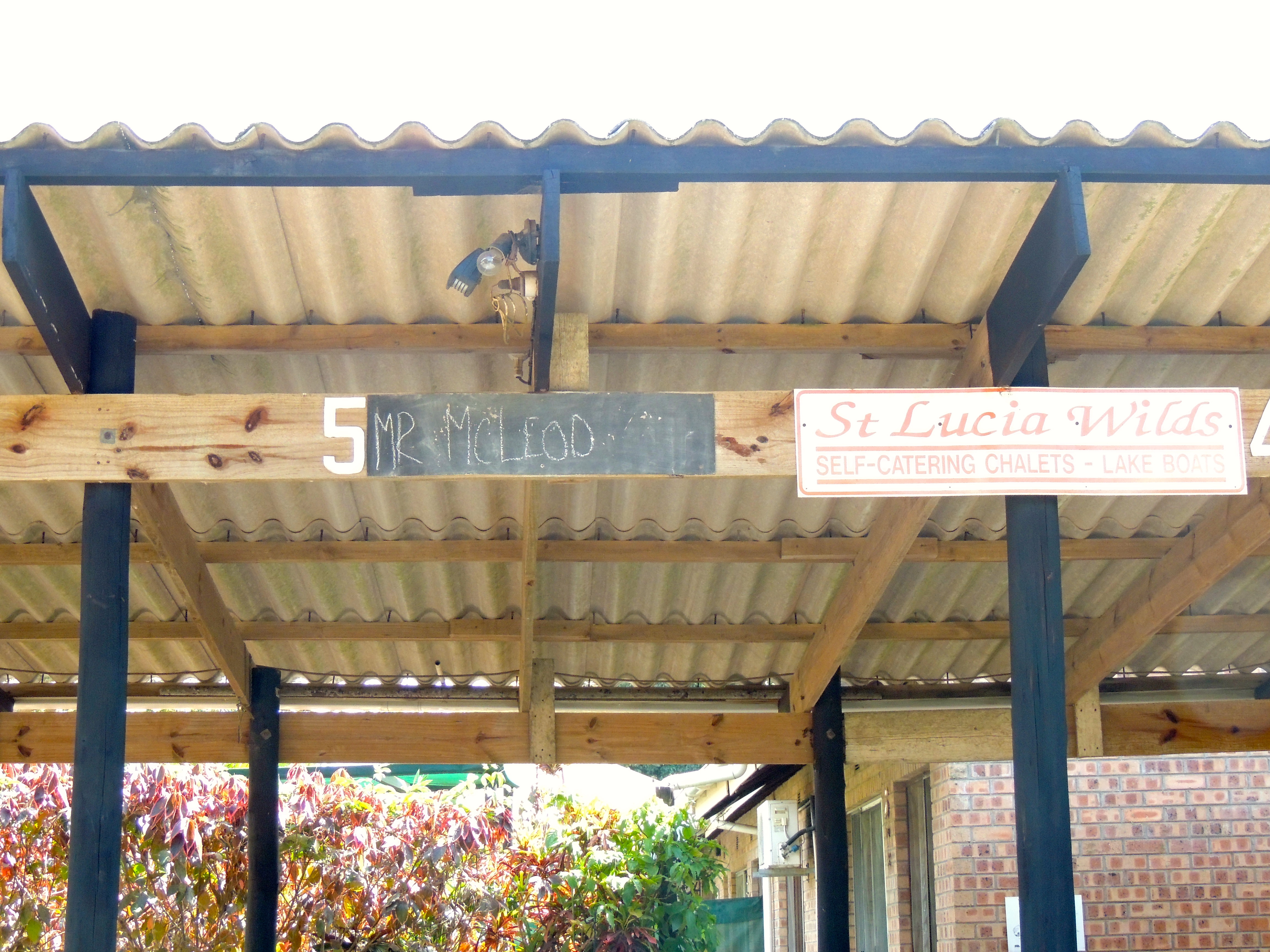
Mr. McLeod, I presume.
We quickly unpacked and then walked down to the river to catch a boat cruise. St. Lucia Estuary is a UNESCO World Heritage site, and is at the southernmost part of iSimangaliso (‘miracle’ in Zulu) Wetlands Park (which is South Africa’s third largest protected area). On our walk, we ran into some St. Lucia locals.
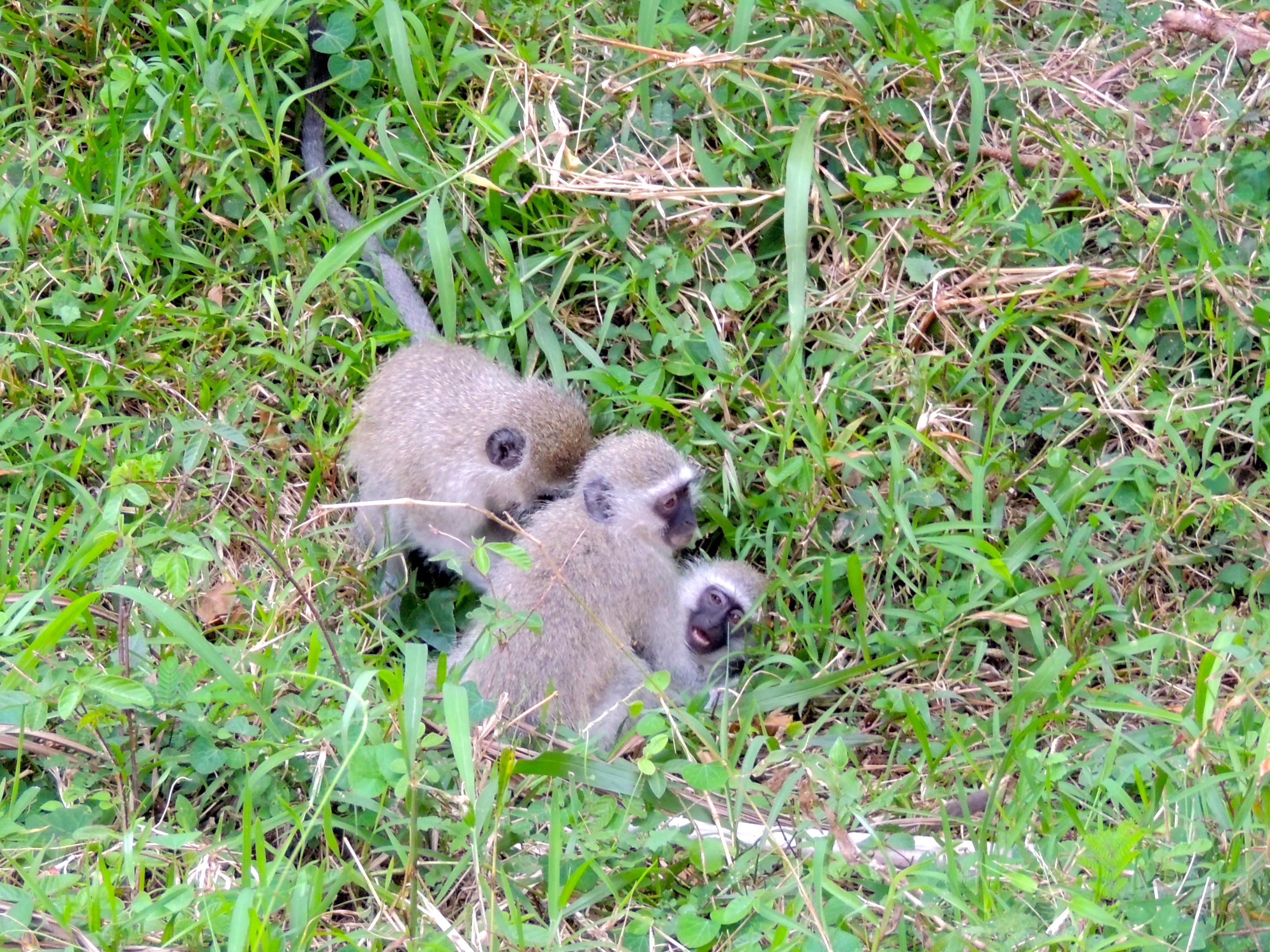
Monkeying around (oh hoho!)

Cutie!
Along with the monkeys, St. Lucia is home to many Nile Crocodiles and hippopotami. Since it’s winter, the crocodiles weren’t all that active, and were happy to lie on the bank.

Sleepy winter croc
They’re amazing animals though – they have a four chambered heart, like a human, but can make two of the chambers shut off in order to conserve energy, and can slow their heart rate to four bpm. Their blood congeals very quickly as well, so apparently stabbing a crocodile won’t do you much good if you want to kill it. Our guide was saying the only effective way to kill a crocodile is to have it starve, which happens when they get old and wear their teeth down.
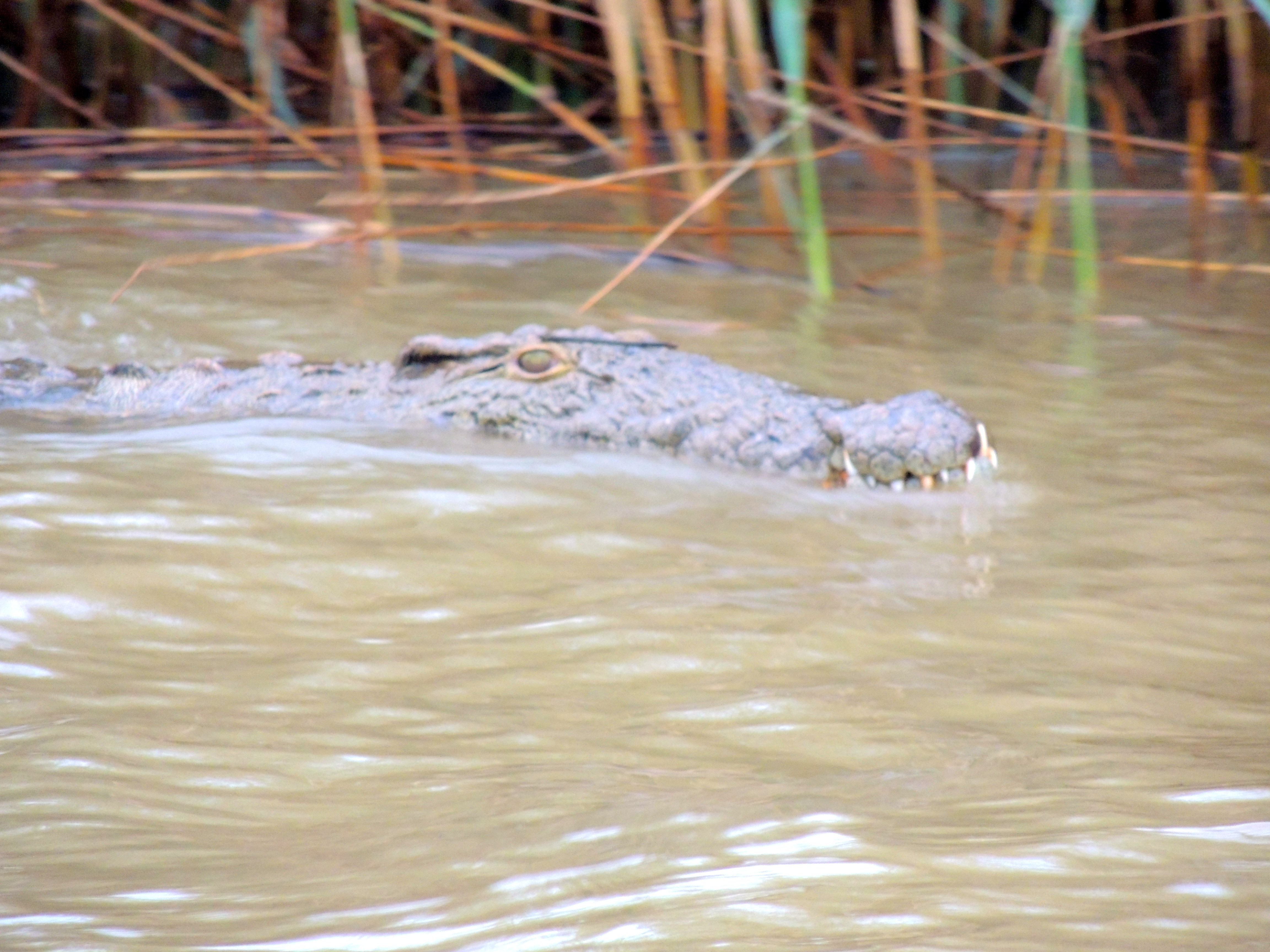
Never smile at a crocodile
We moved down the river a bit further to meet up with St. Lucia’s town mascot – hippos!
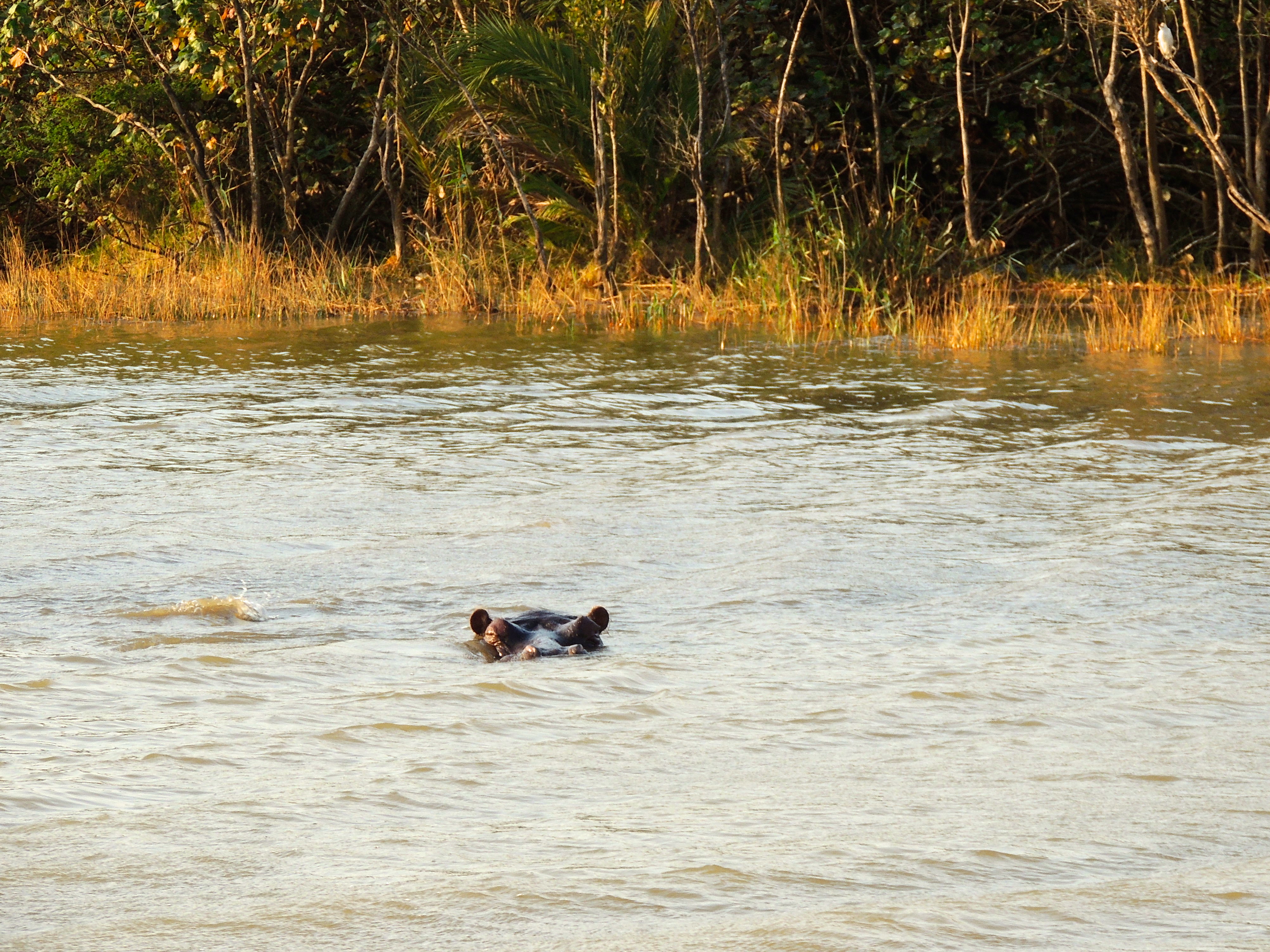
Hello there!
Hippos generally live in herds (when on land, or pods in the water) but young males will break away to form their own group. We saw a few young males before finding one of the main herds taking a nap in the river and on the bank.
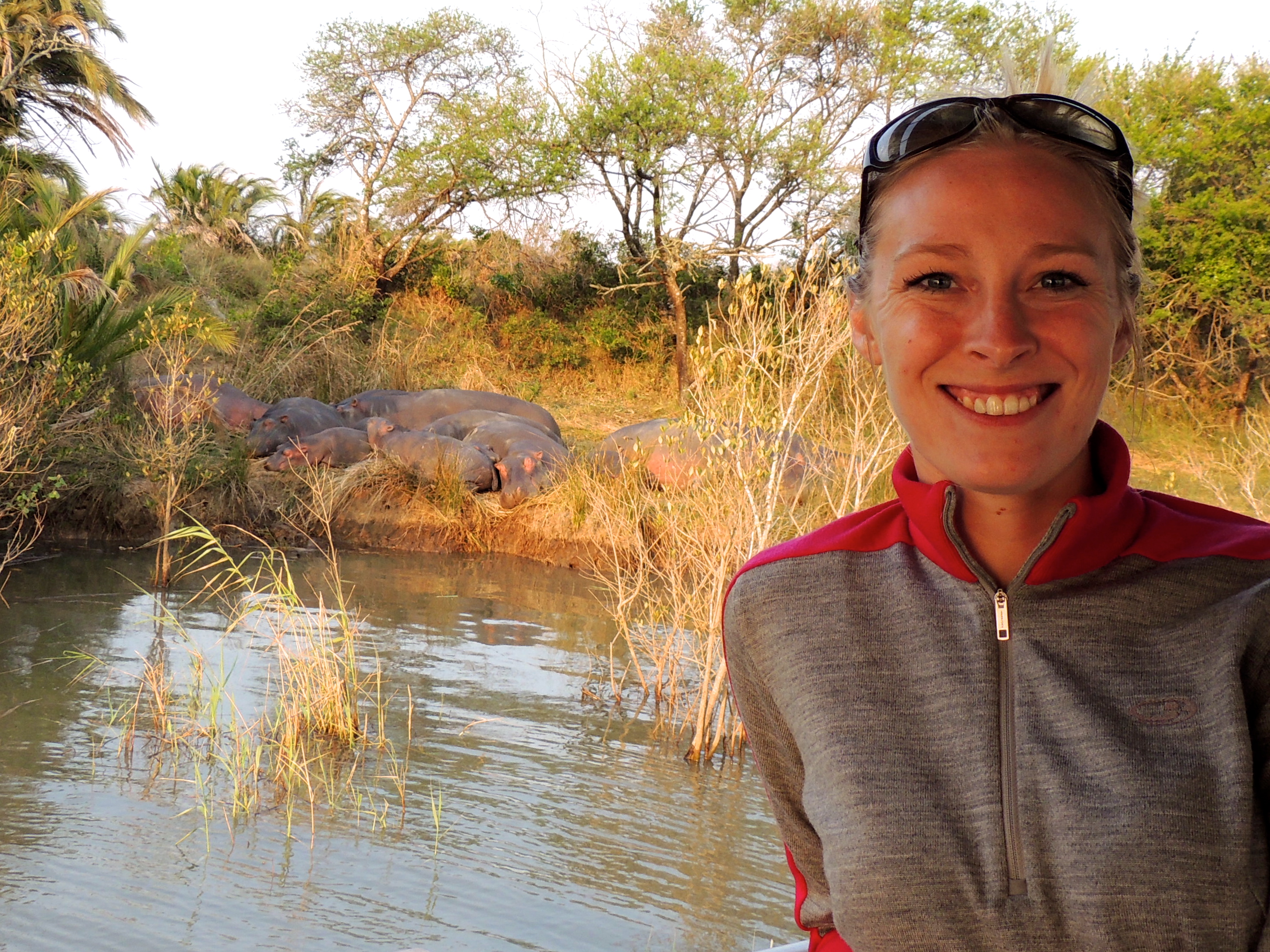
Loving hippos from a safe distance

River nap time

Sleepy baby hippo! So cute!
Hippos can’t actually swim or even float – they have to run underwater and hop up to get air, so they never go out too deep. Sometimes, the babies will go on the mother’s backs, and the mother hippo will run with the baby on it. Unfortunately, we did not get to witness this. We probably would have died from a cute overload, so it’s for the best.
They’re also (like most African animals) most active at night, so we just got to see them starting to wake up from their afternoon nap.
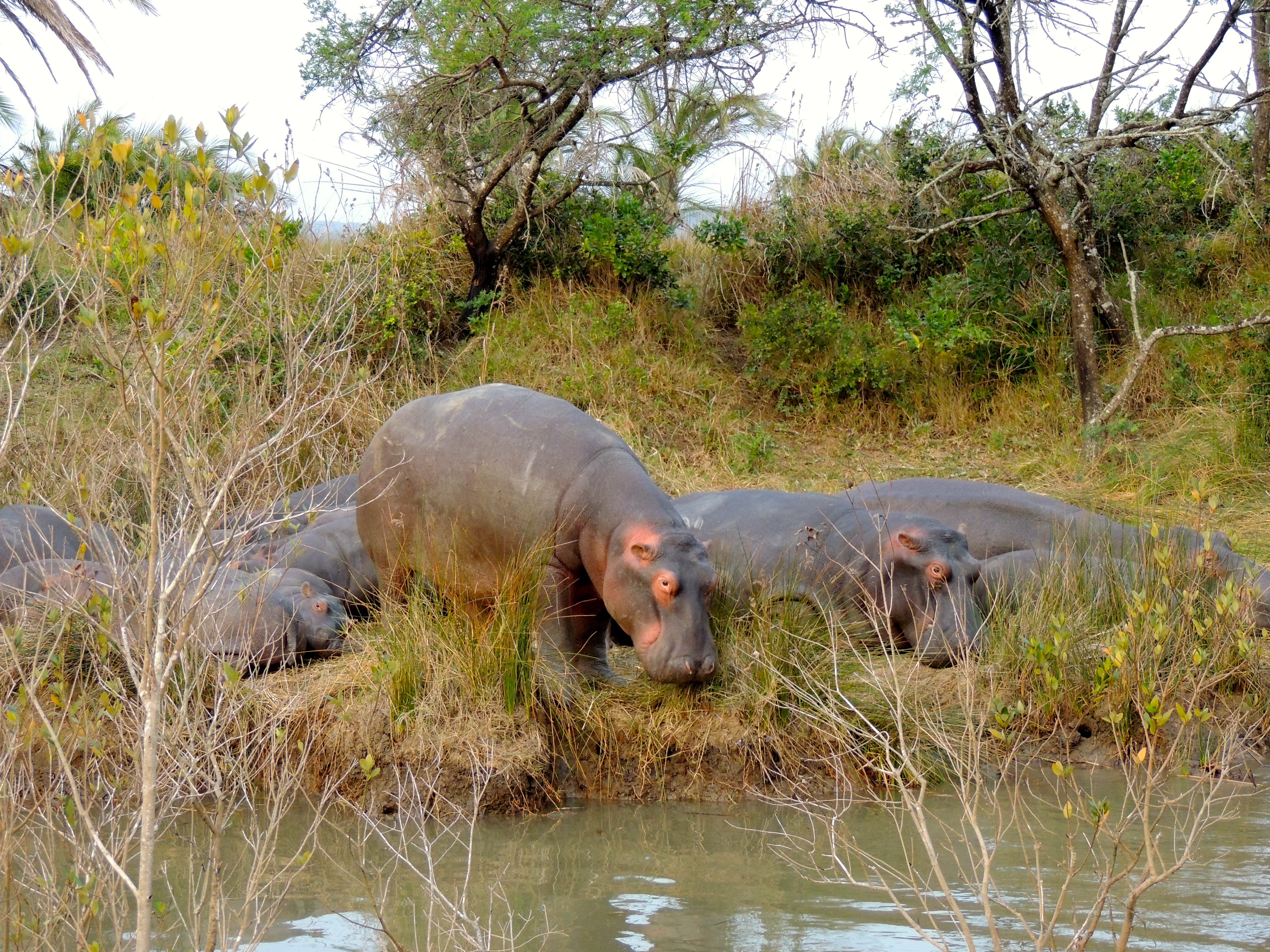
Slowly waking up
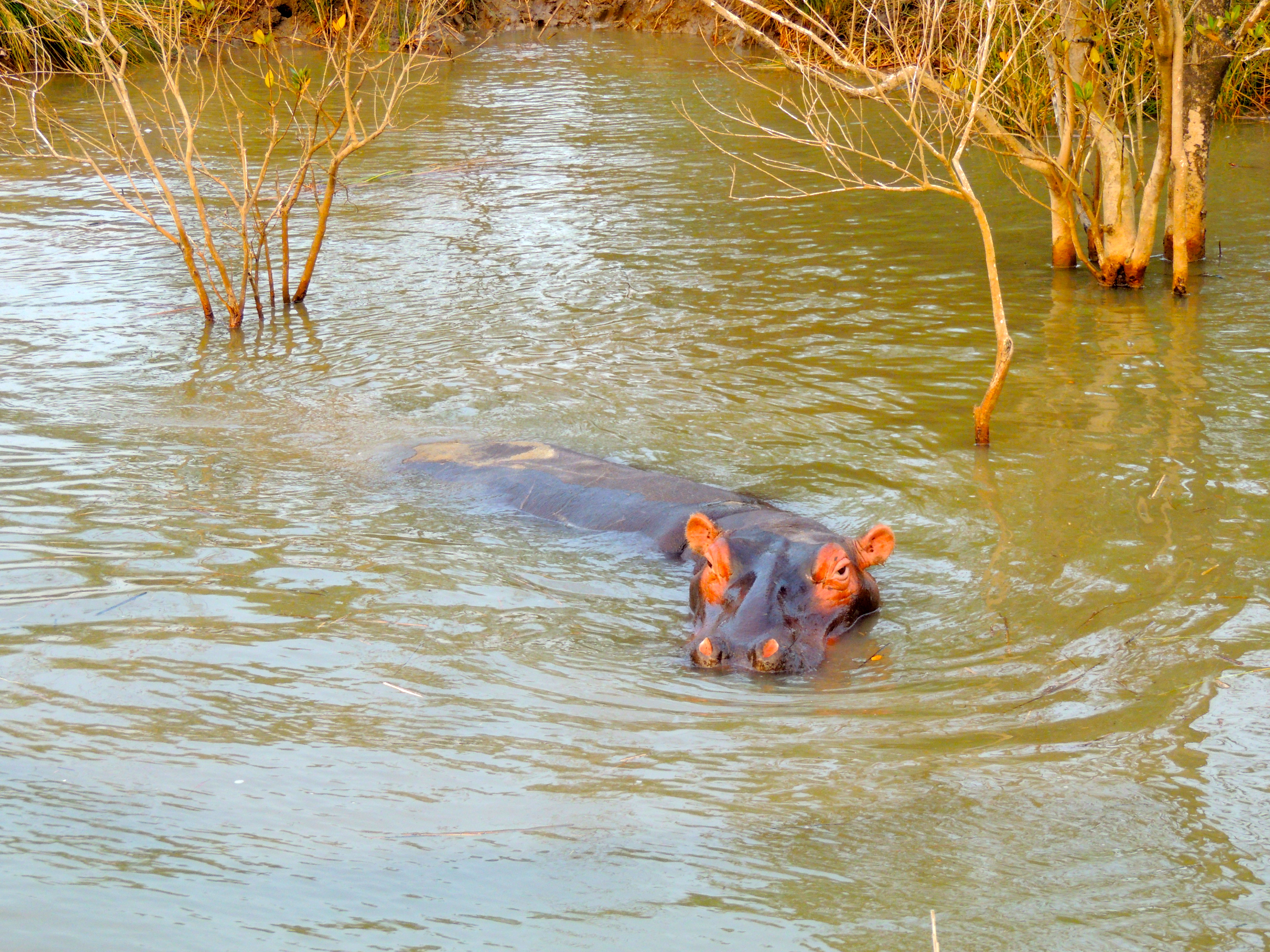
Evening swim
We had a fairly relaxing night since we had been up at 3:30 to catch our flight that morning, and managed to sleep in and head out for a quick hike to the Estuary Beach. In case we didn’t get it after our boat cruise, there were many warning signs around to ensure tourists were aware of what was in the water.
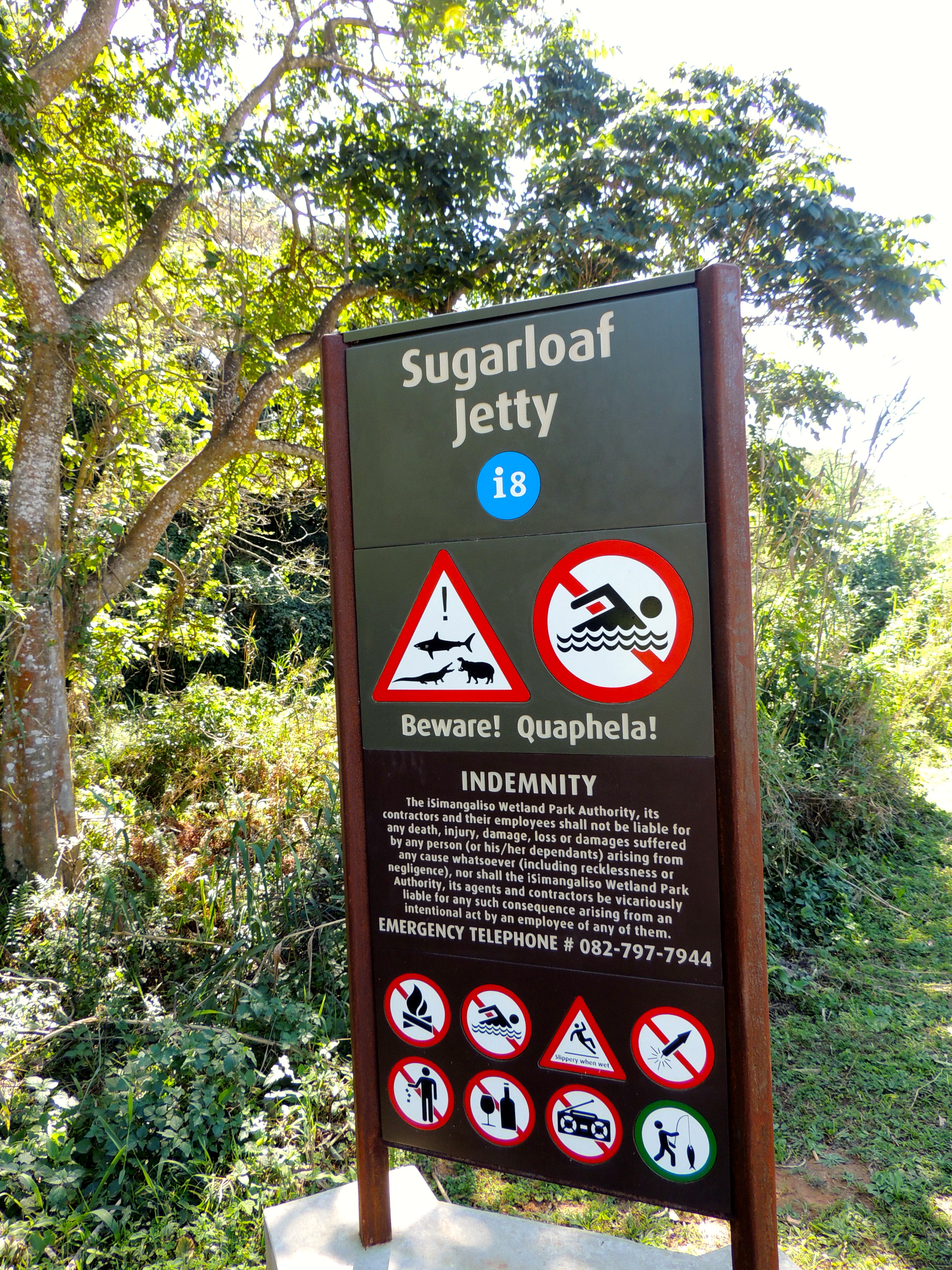
You can fish – but no boomboxes
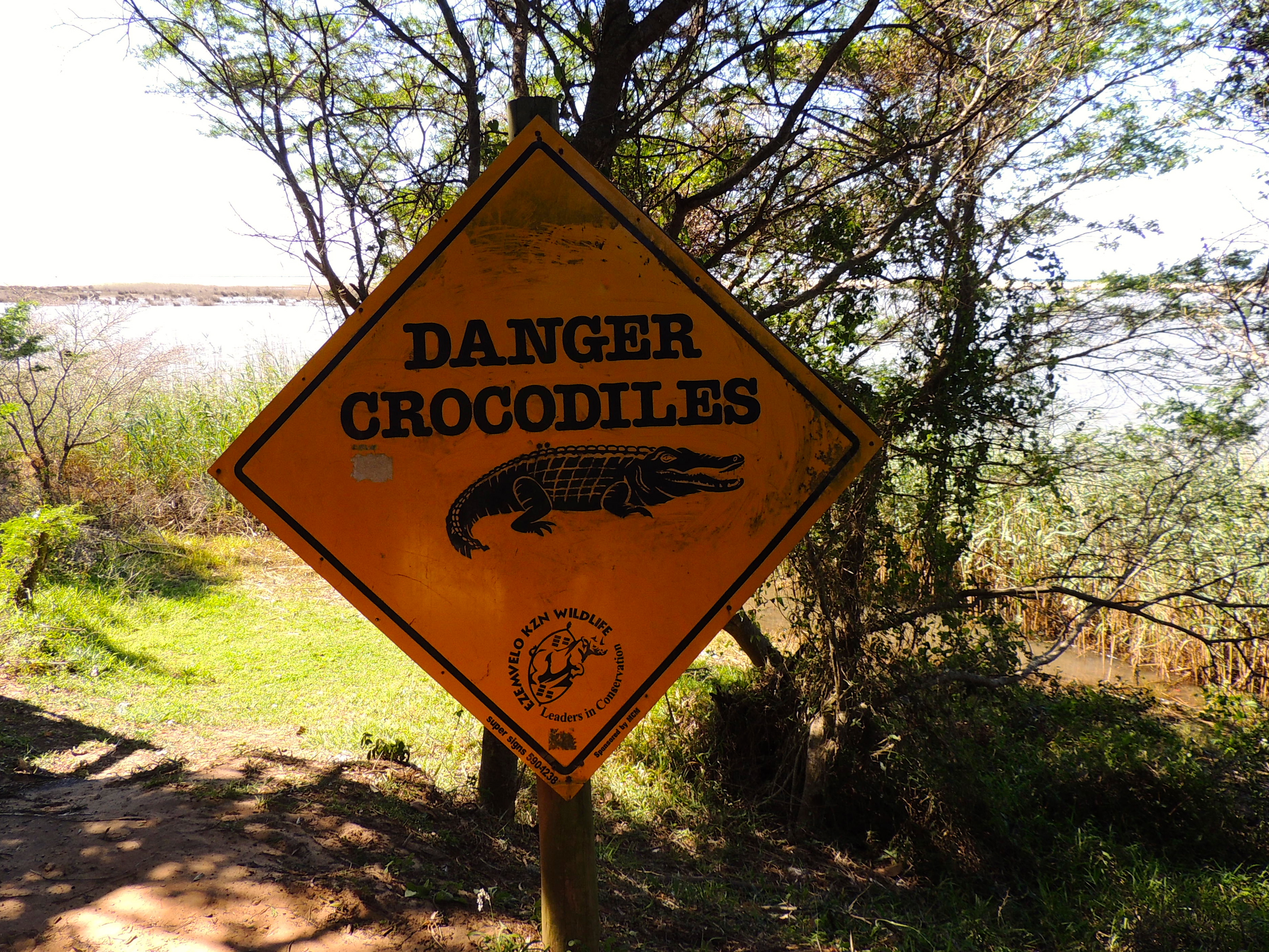
Seems like a dangerous place to fish when you know how quickly they can jump out of the water…
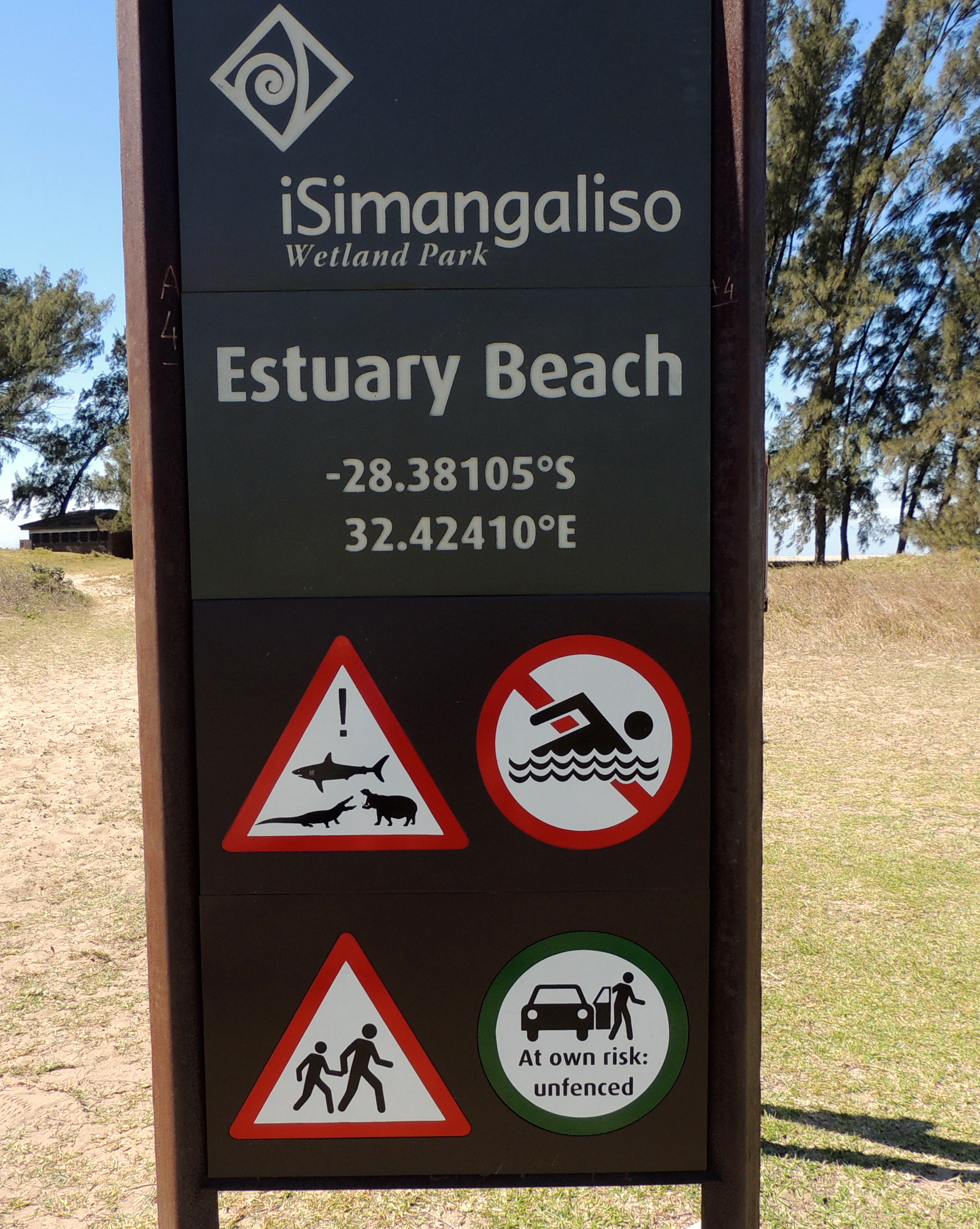
Get out of your car at your own risk. And look out for people walking in single file?
The estuary is protected because it has such a diverse ecosystem, and it was really cool to see the wetlands alongside the beach alongside the ocean.
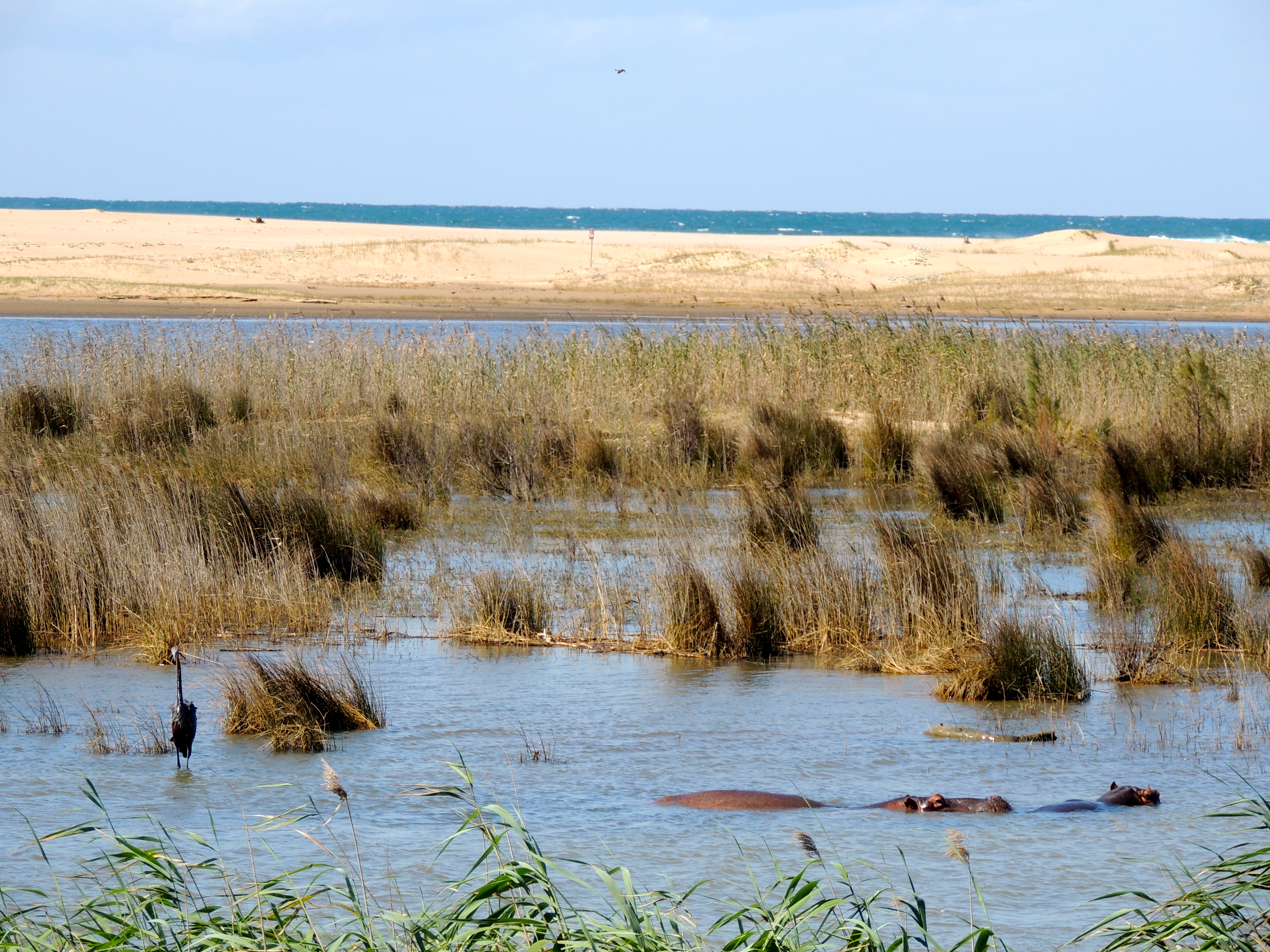
Looking across the wetlands to the ocean – more hippos!
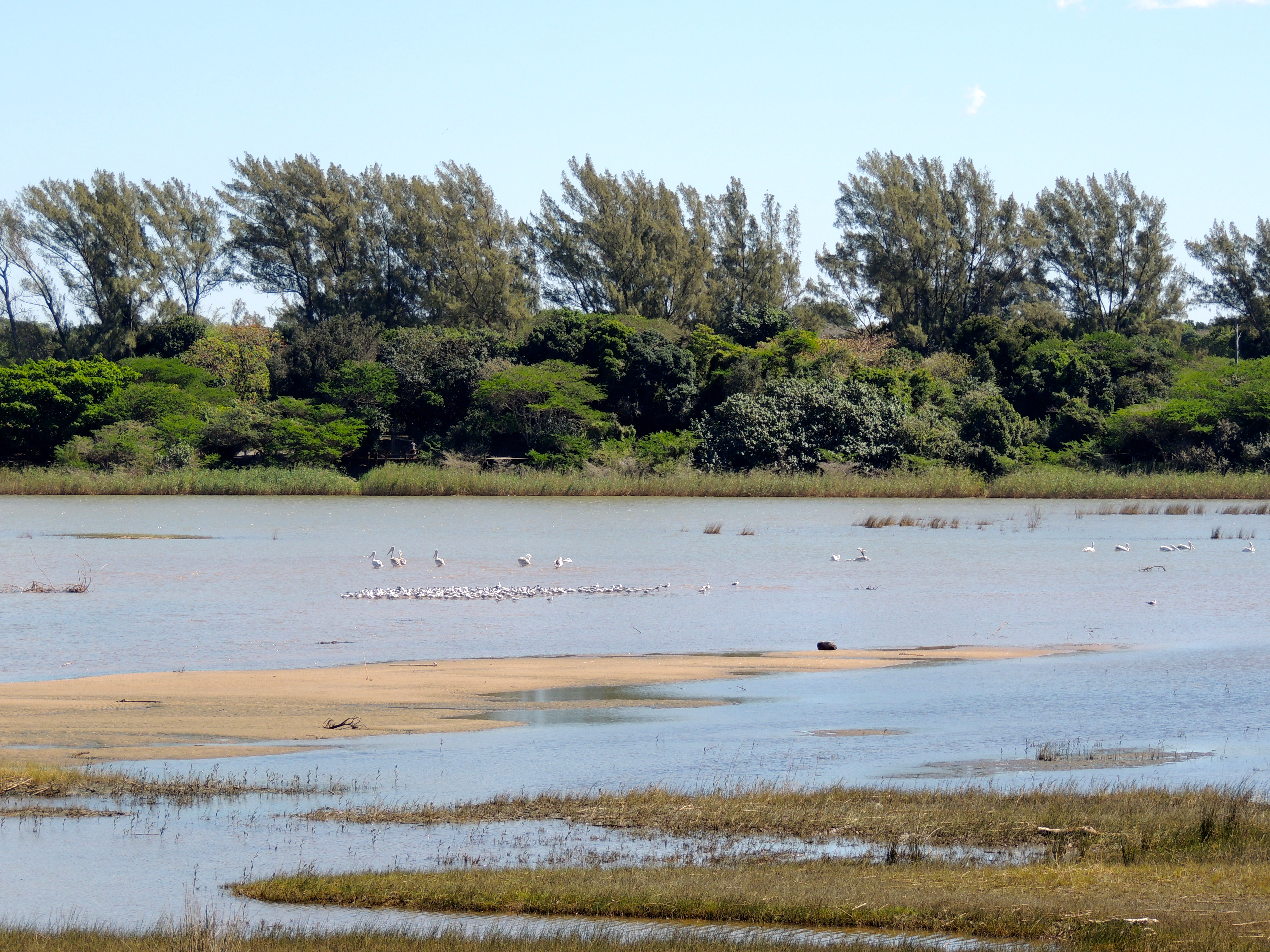
St. Lucia Estuary
And the beach was so huge; there were times where it looked like you were in a desert.
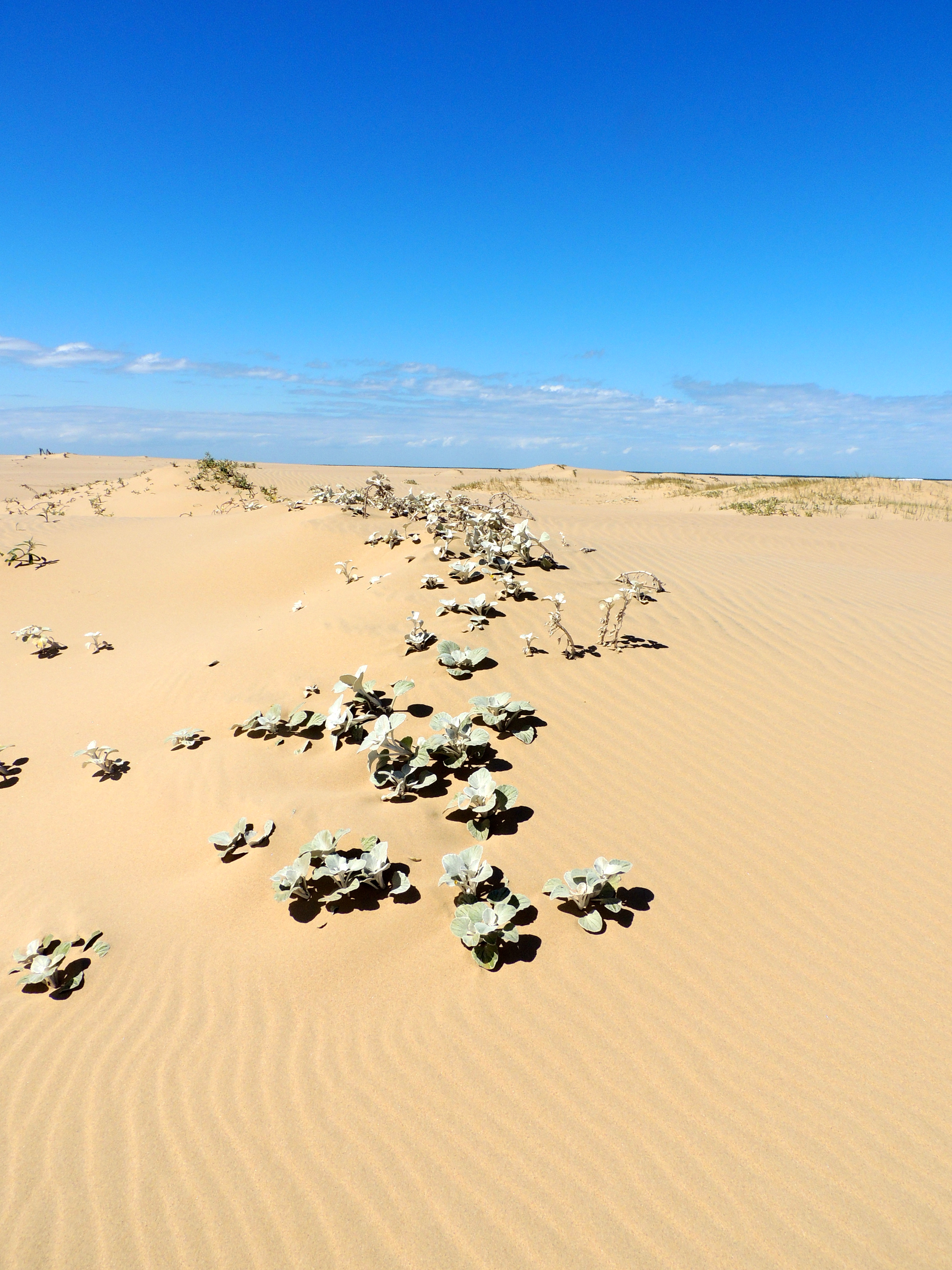
Estuary Beach with no water in sight!
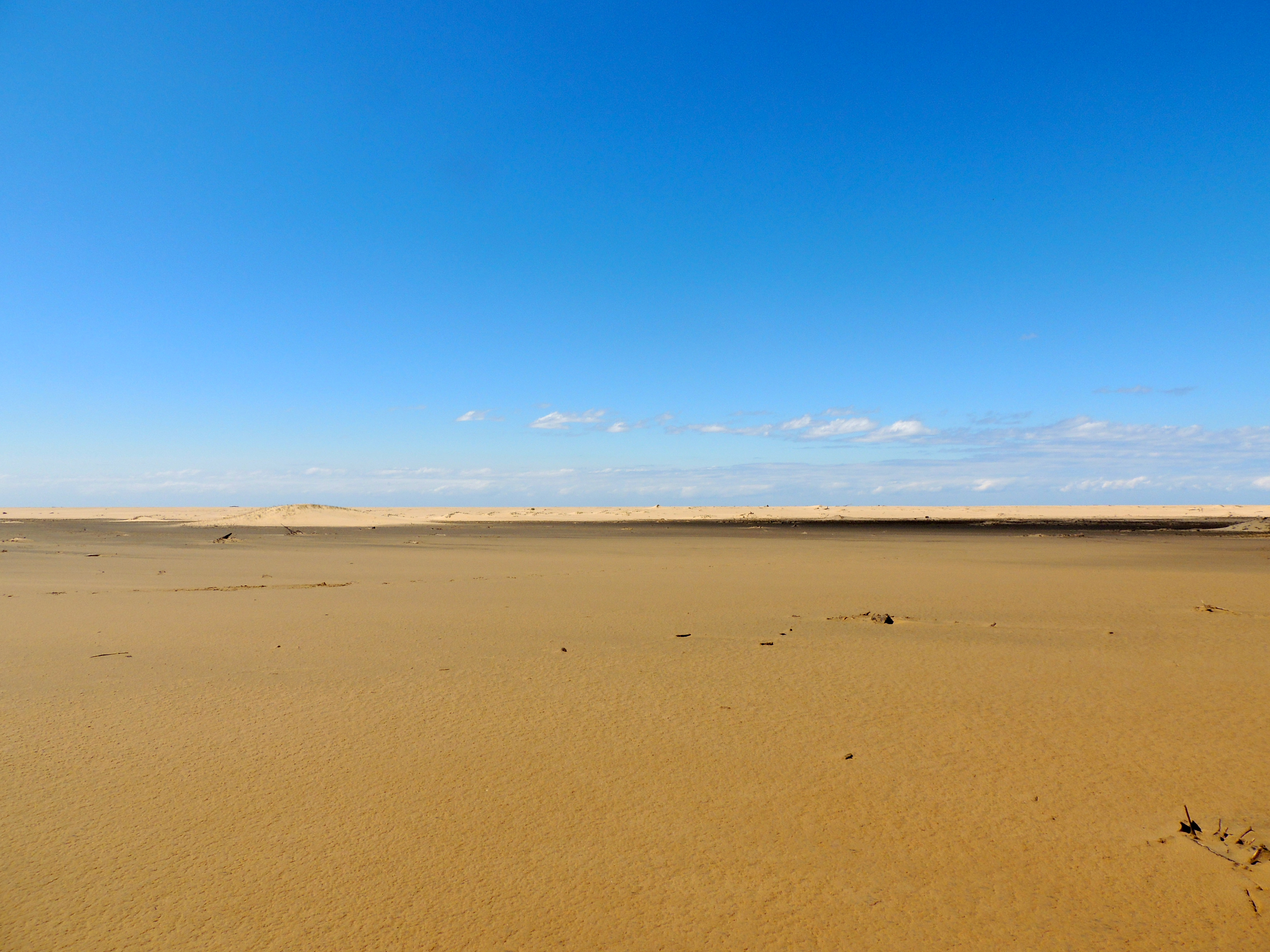
Sand for miles
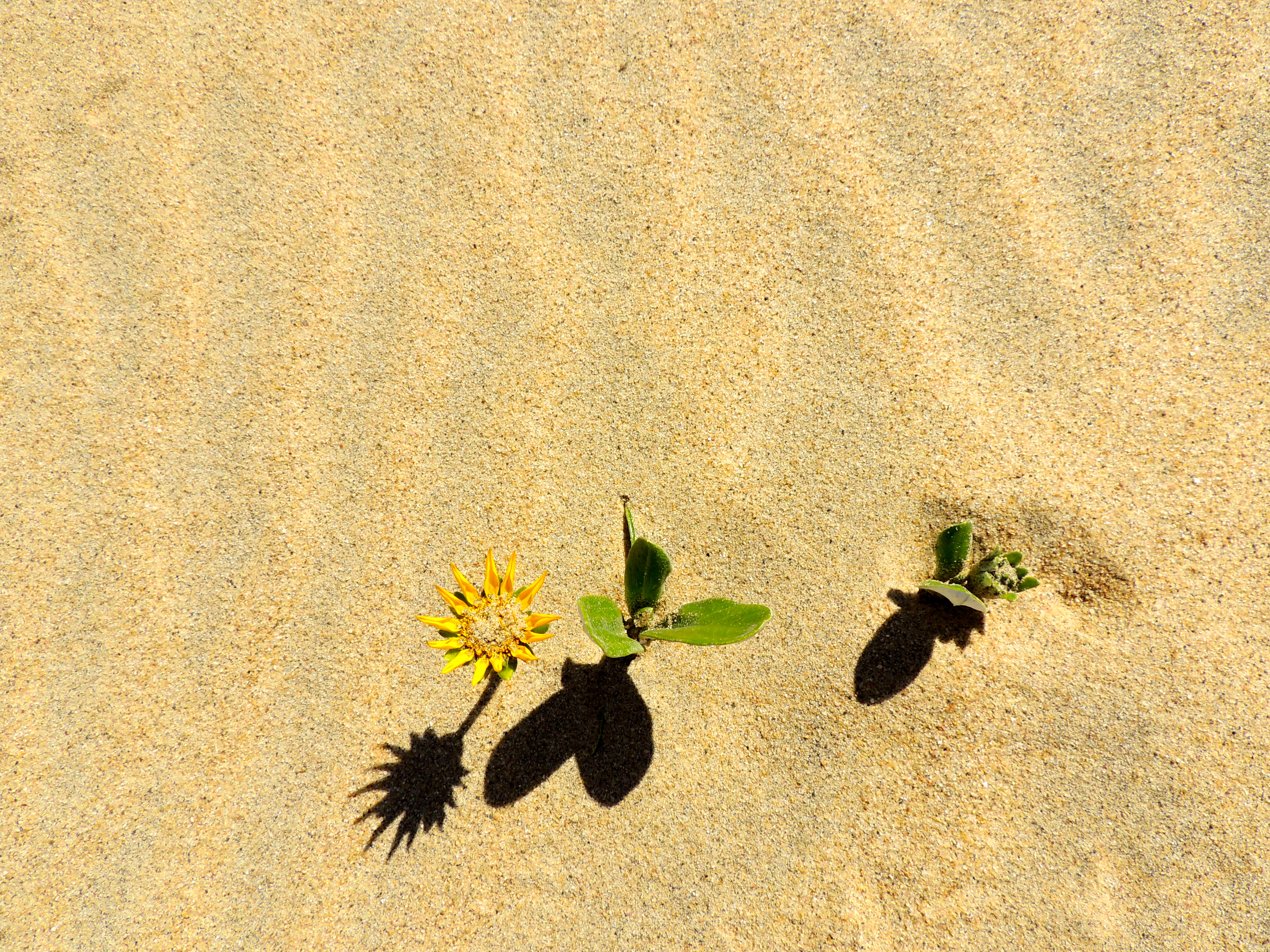
Good luck, little guy
Until you saw another warning sign, of course.
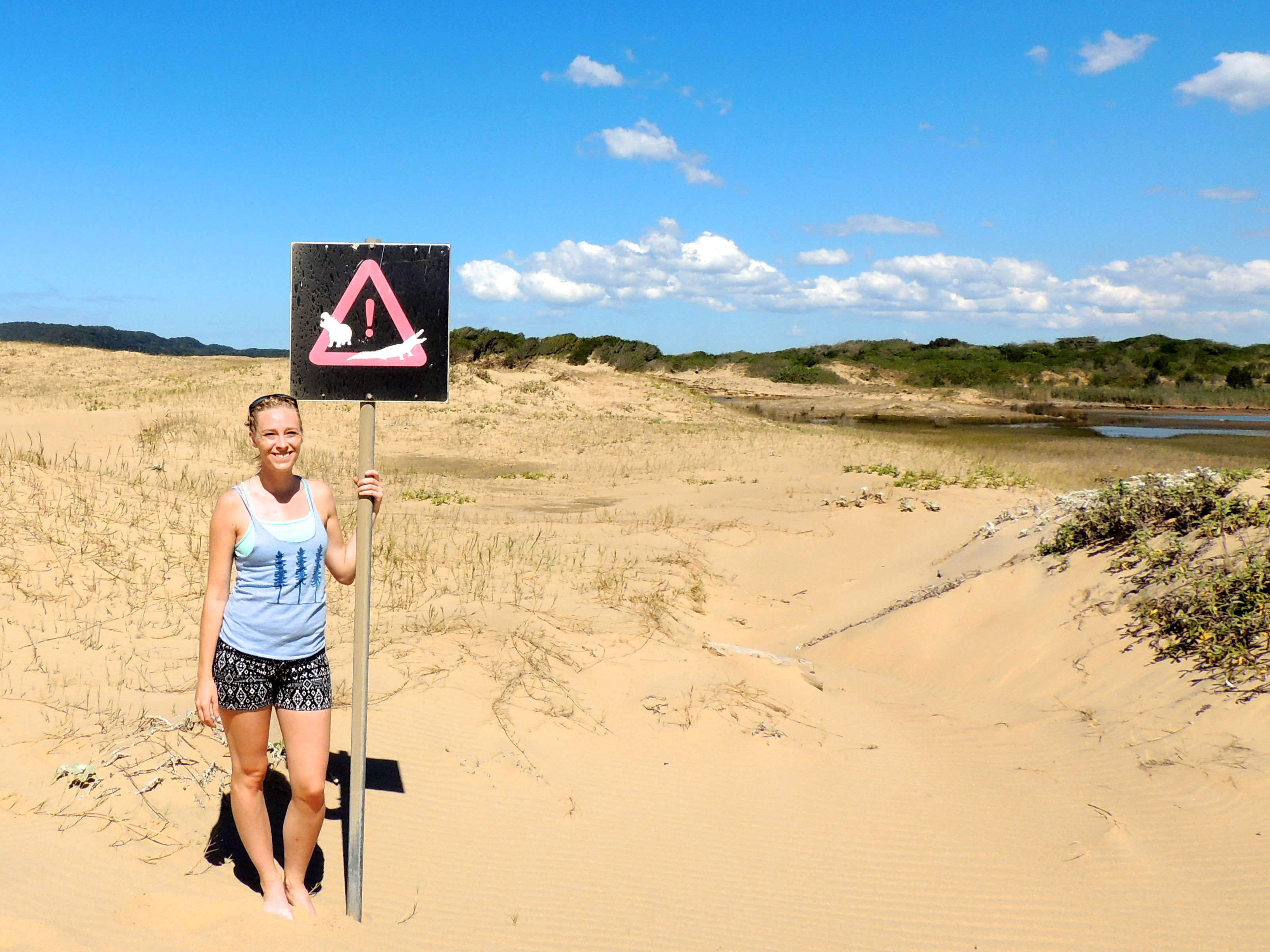
Sneaky crocs and hippos
We also managed to find hippo tracks! For such large animals, they have tiny feet!

Me and the hippos, walking side by side
After our stroll along the beach, we headed down some trails to do a horseback game ride. It was a really cool way to see non-predatorial game because the animals were all relaxed around the horses, especially the zebras.
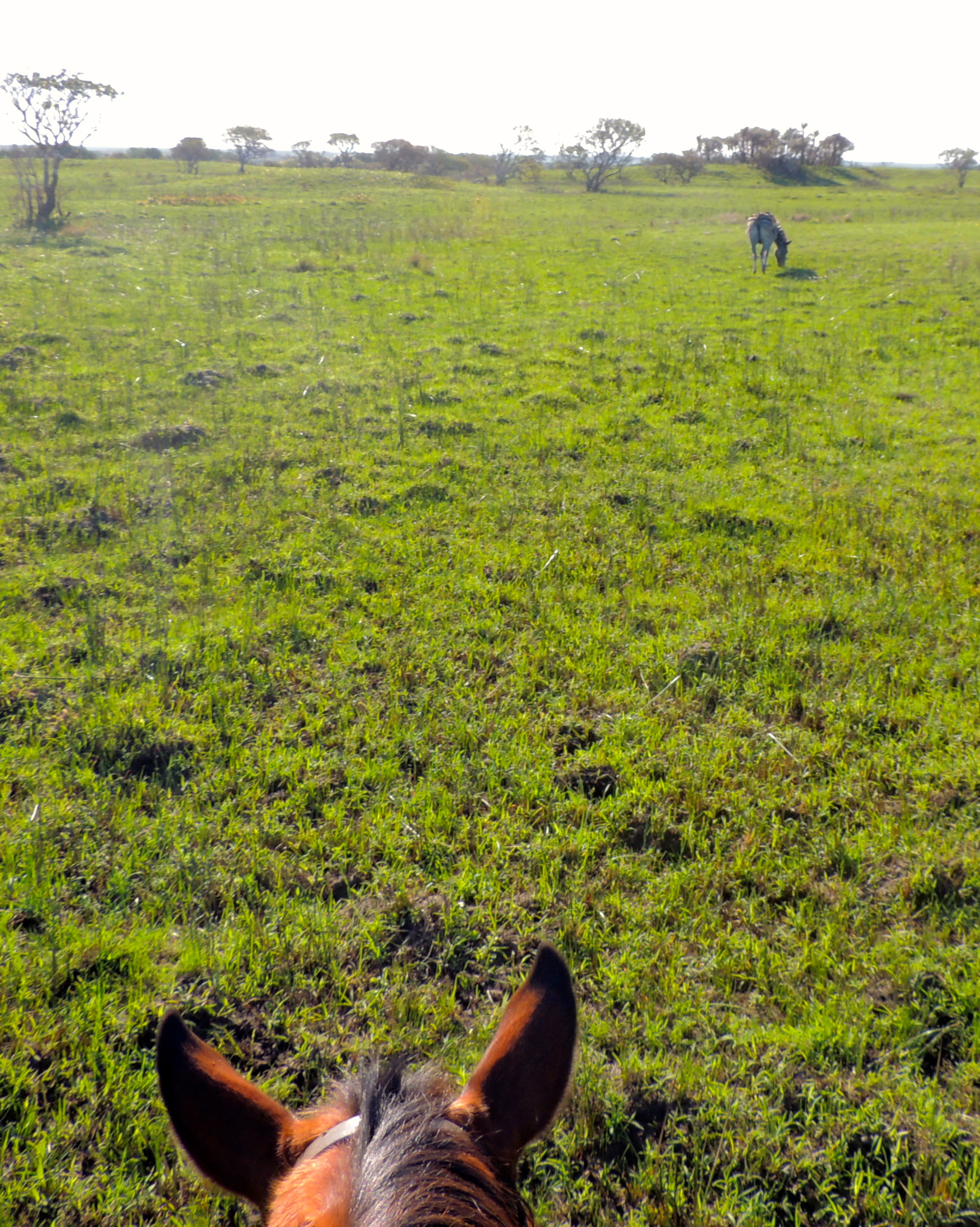
Equine bros
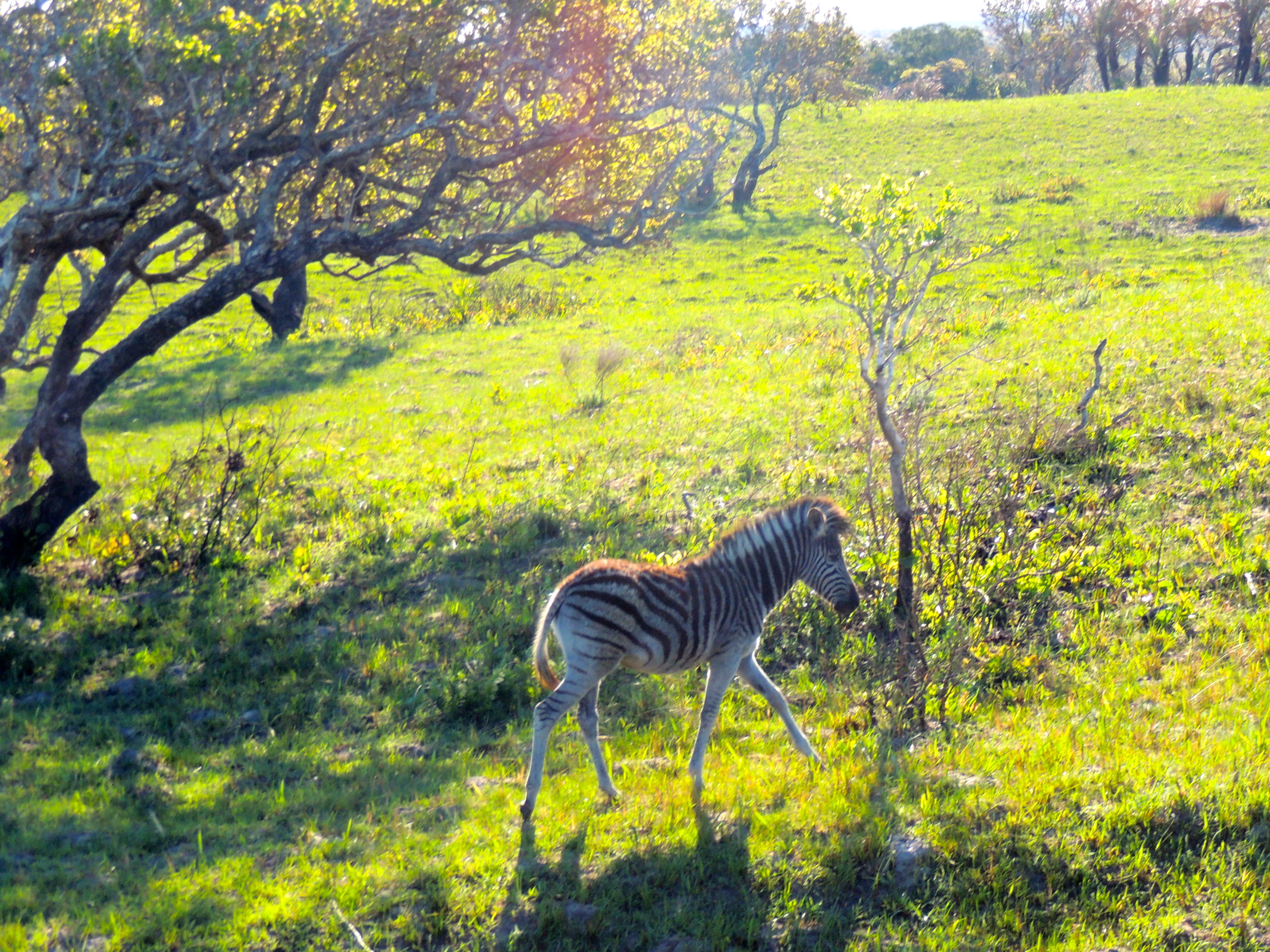
Baby zebra!
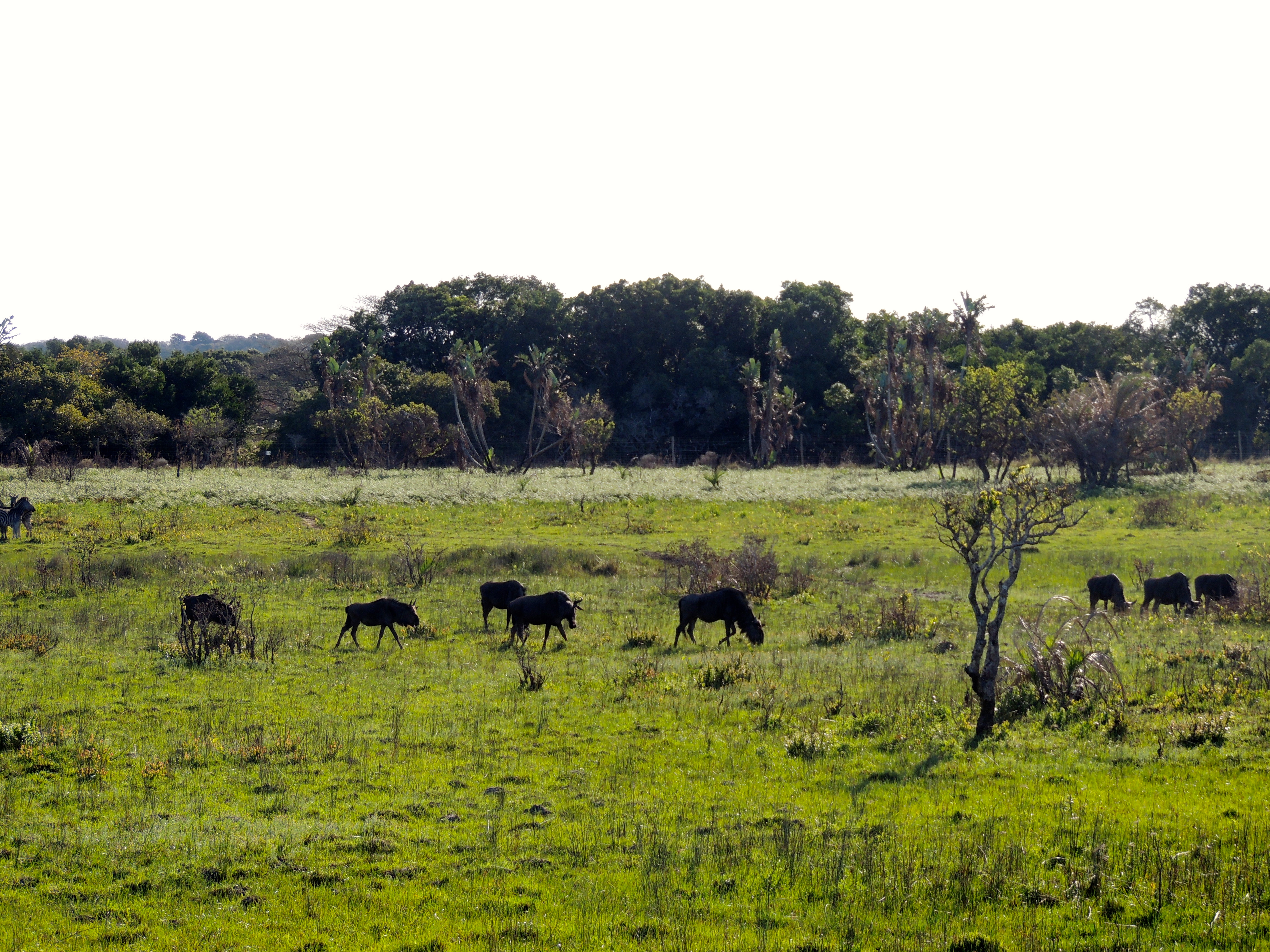
Wildebeest grazing in the lowlands
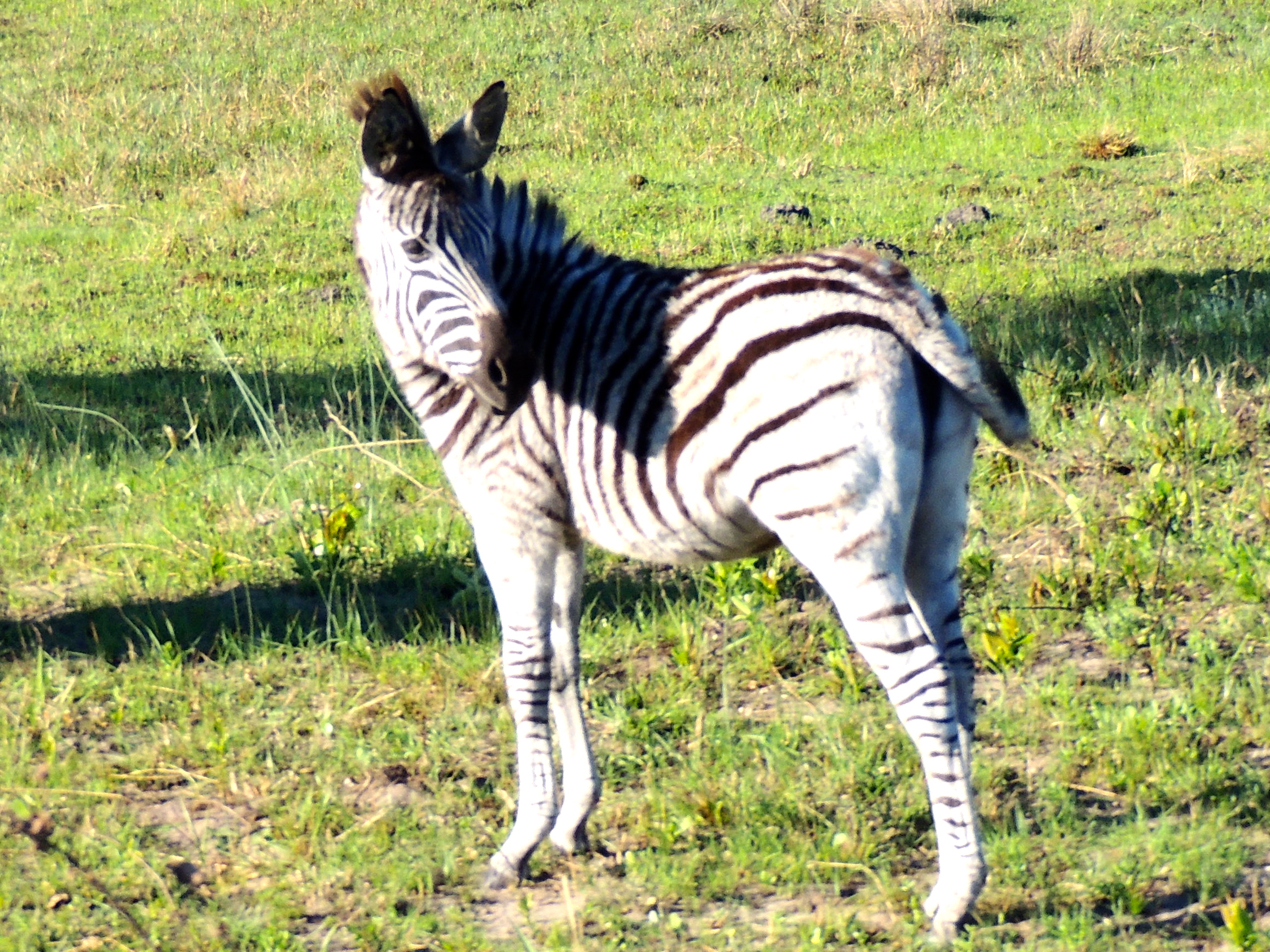
Another baby zebra!
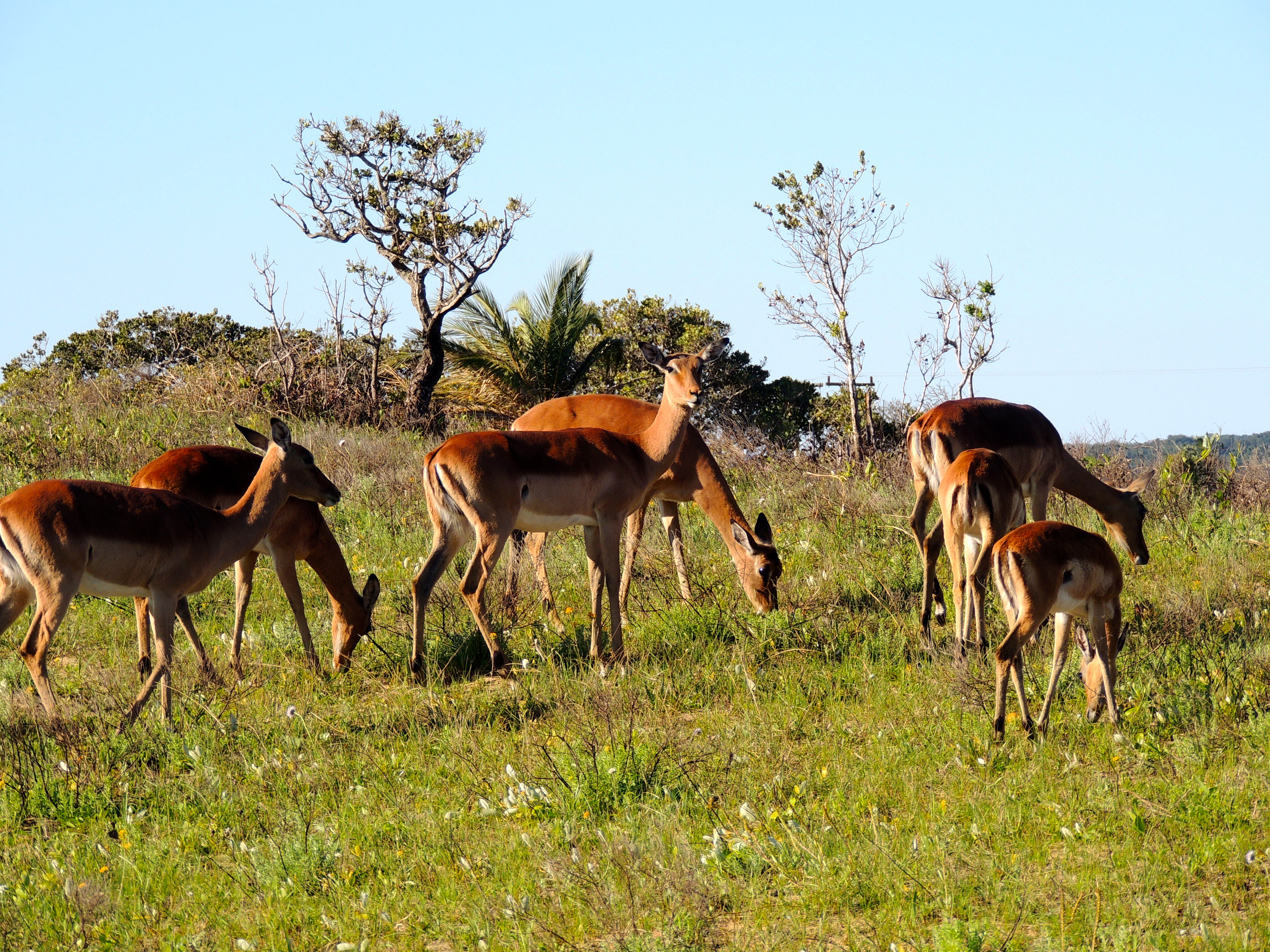
Impalas
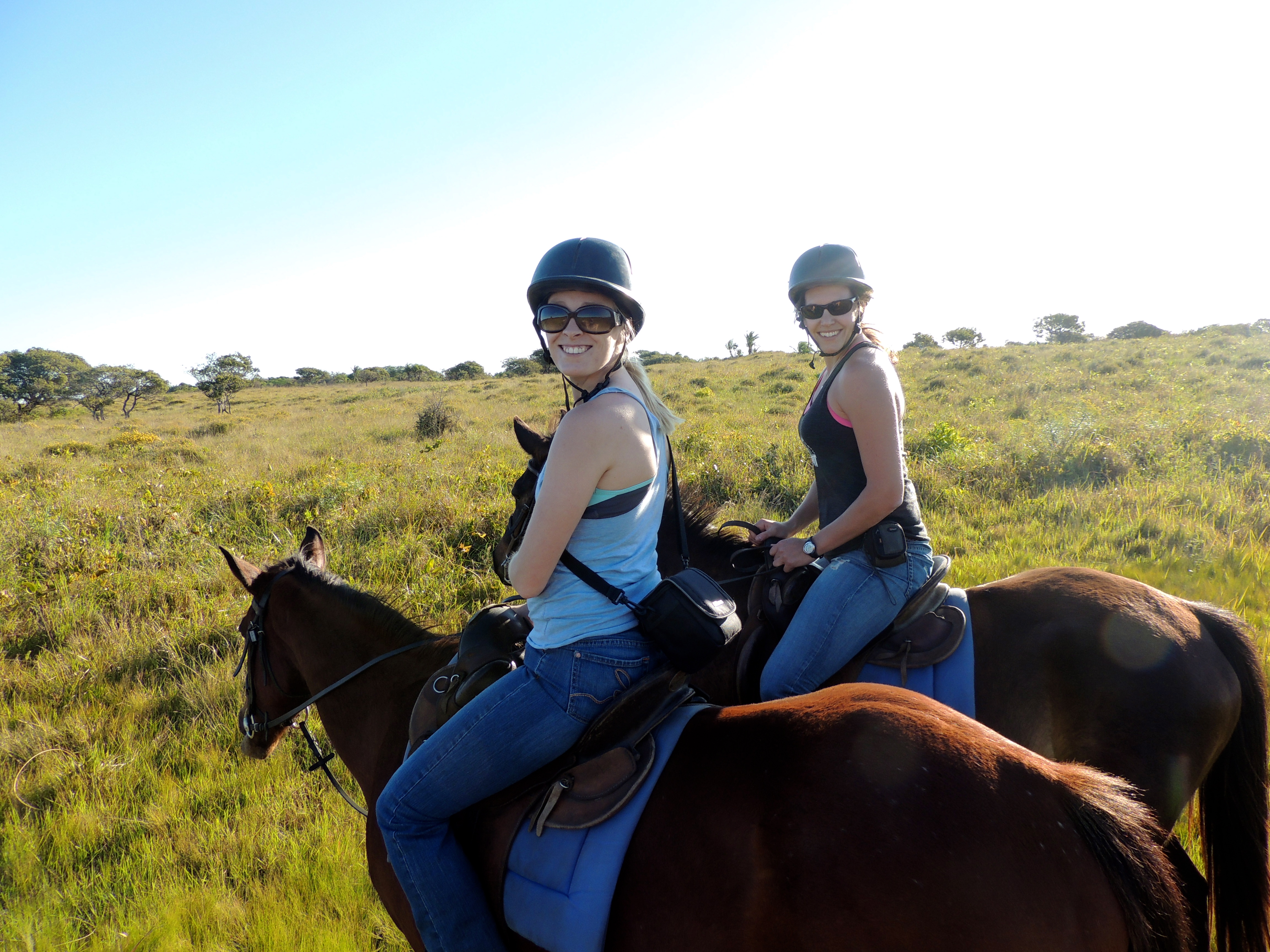
Horses in the savannah
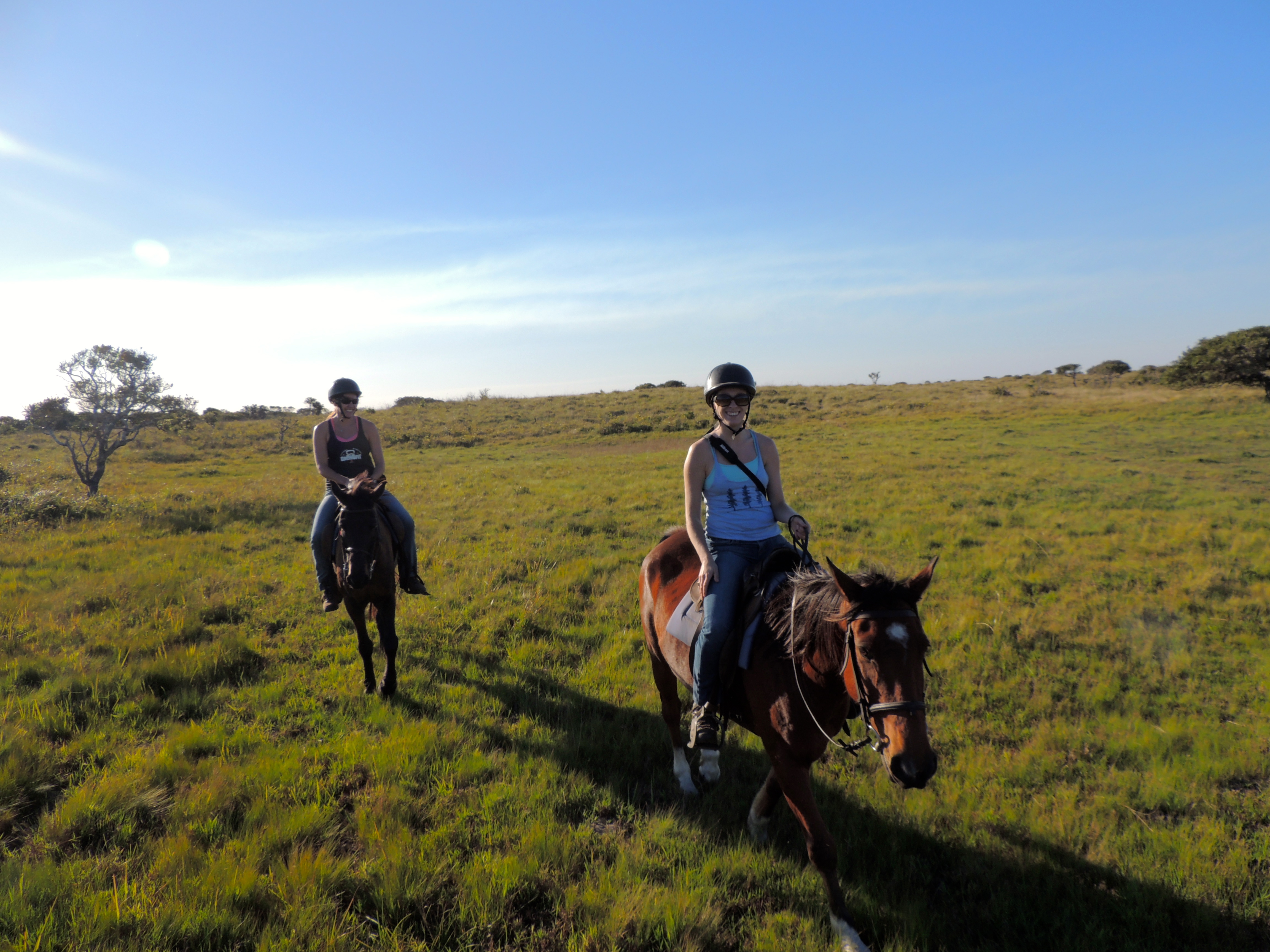
Heading home

Looking for hippos
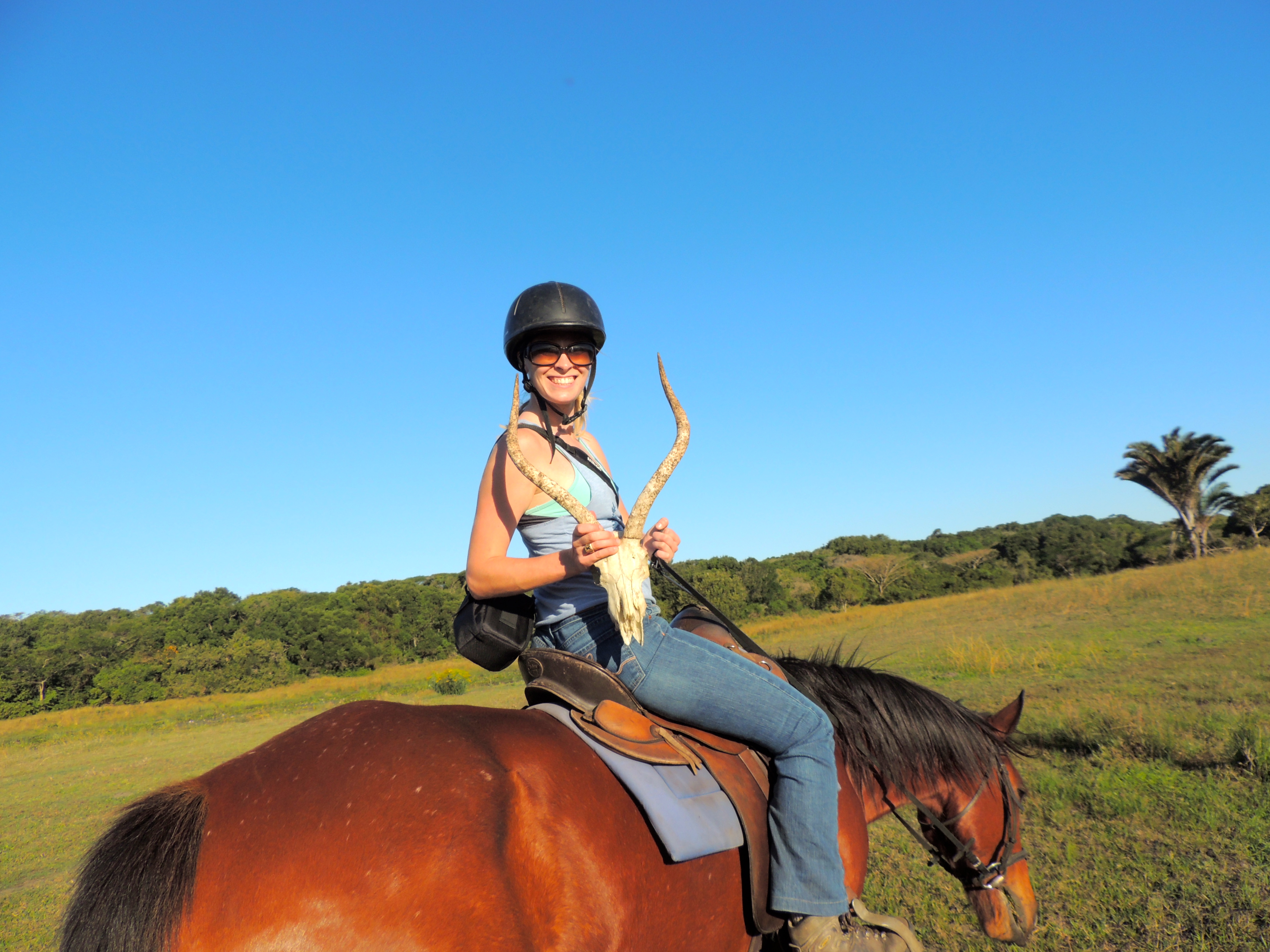
Found an impala skull
After our game ride, we headed back to our cabin, overlooking the estuary. We settled in to watch the sunset with one or two bottles of wine.
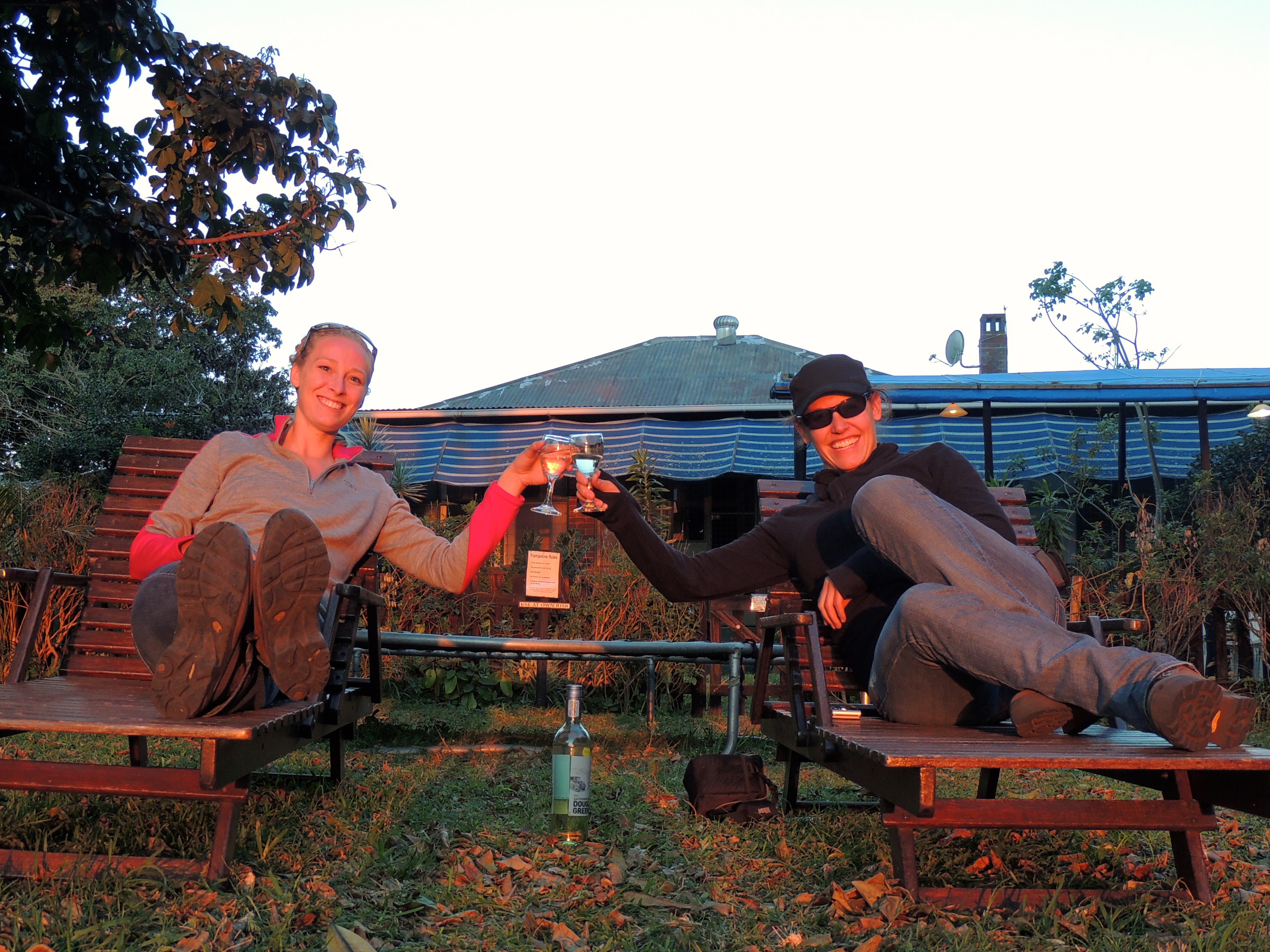
Cheers!
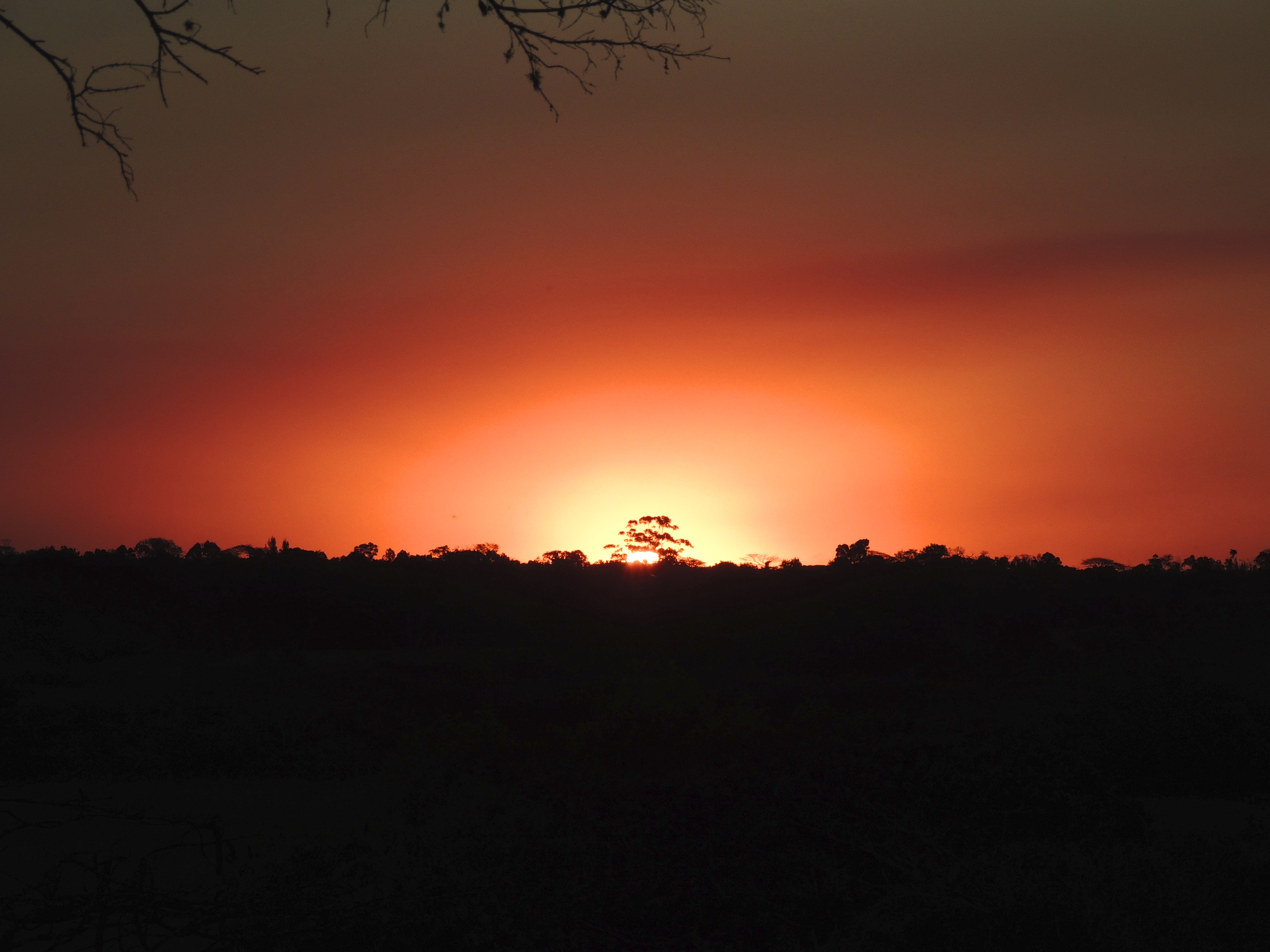
Sunset over the estuary
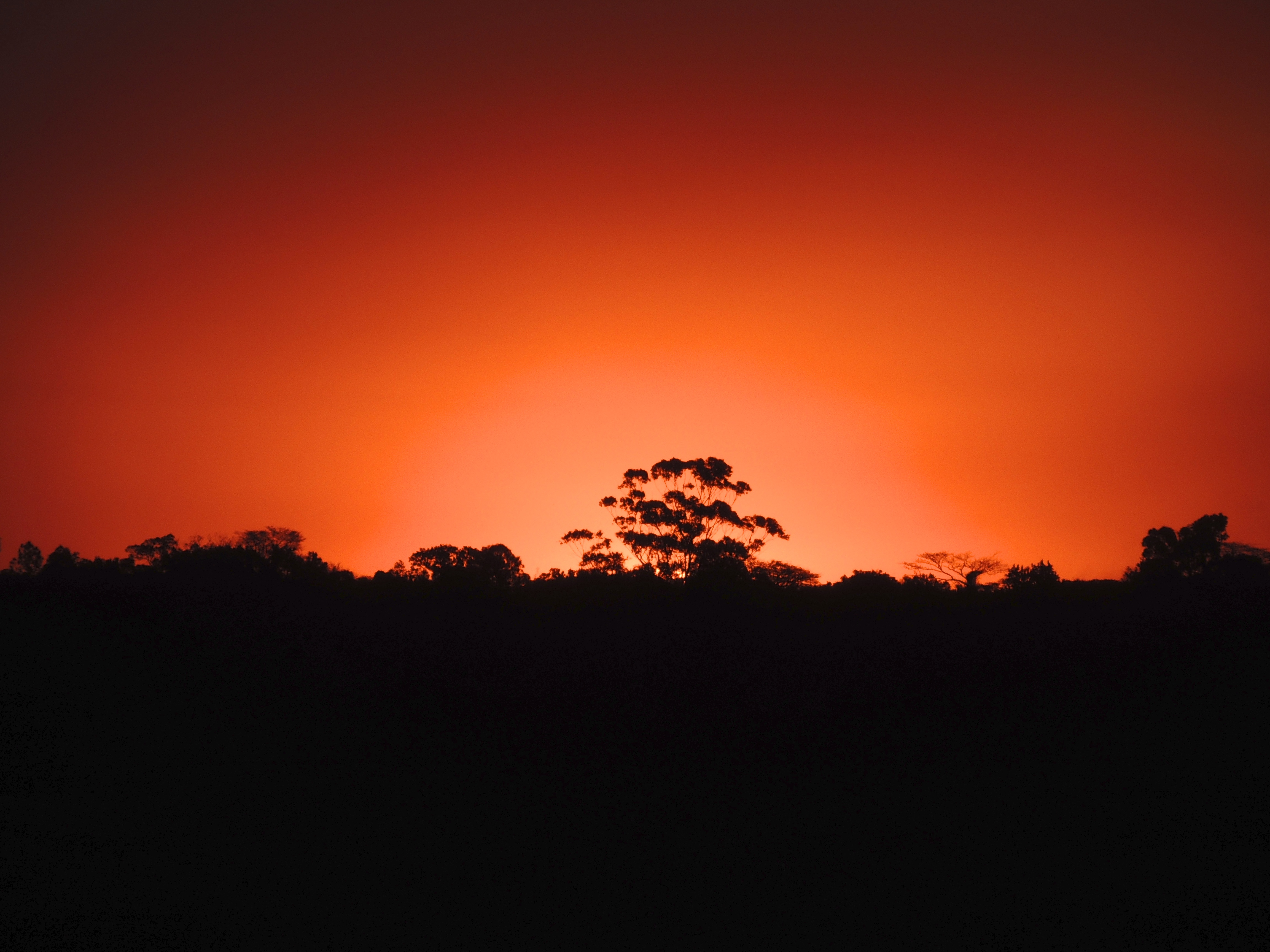
South African skies
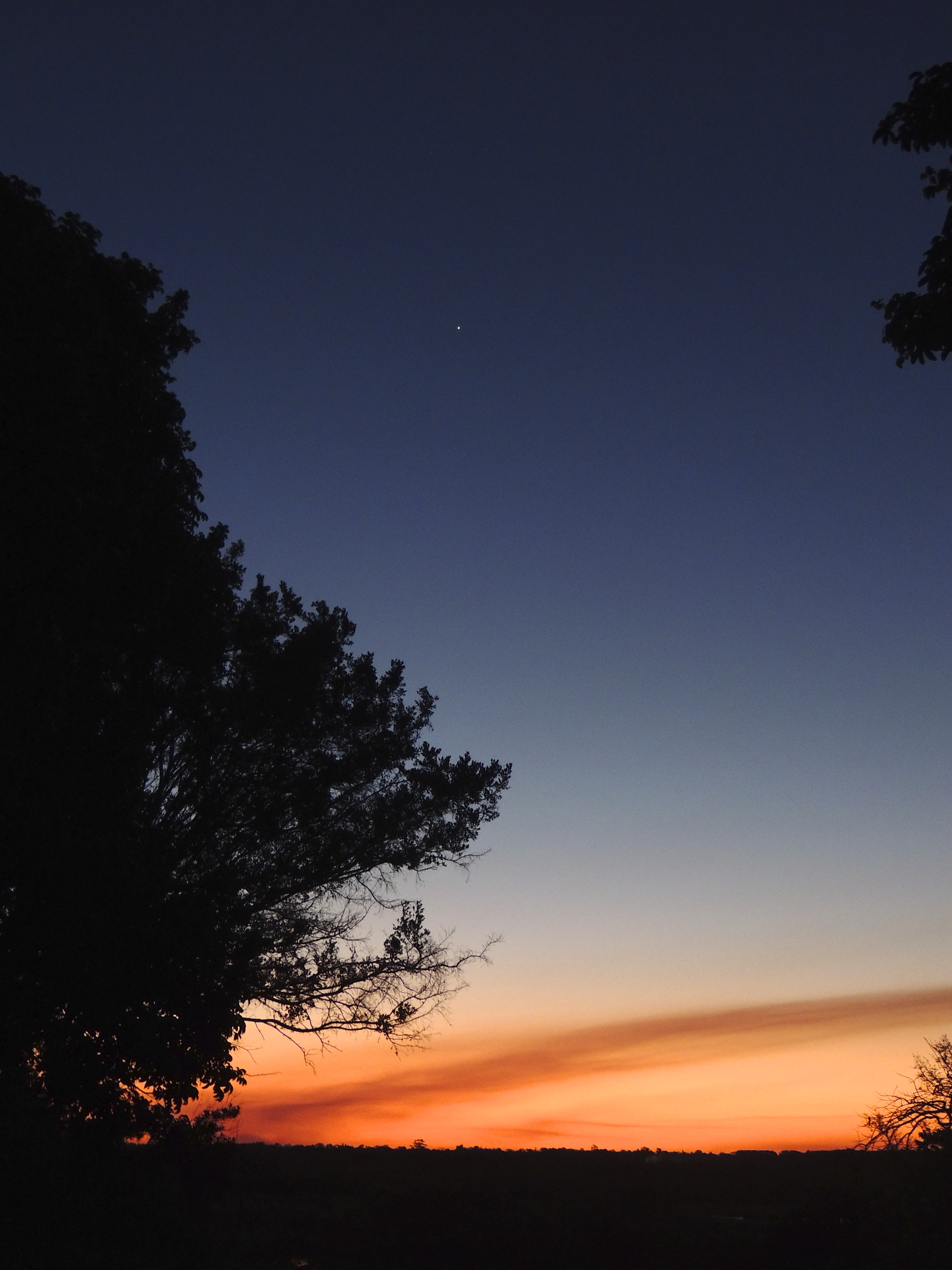
Sunset with Venus in the sky
As we watched the stars come out, we started hearing some noises from the brush. Since we had been told that hippos occasionally walk around the town of St. Lucia, and with them being the most deadly animals in Africa, we decided to head back inside for the night. About twenty minutes later, we heard some noises, and about seven metres away from our window, two adult hippos and a baby were grazing.
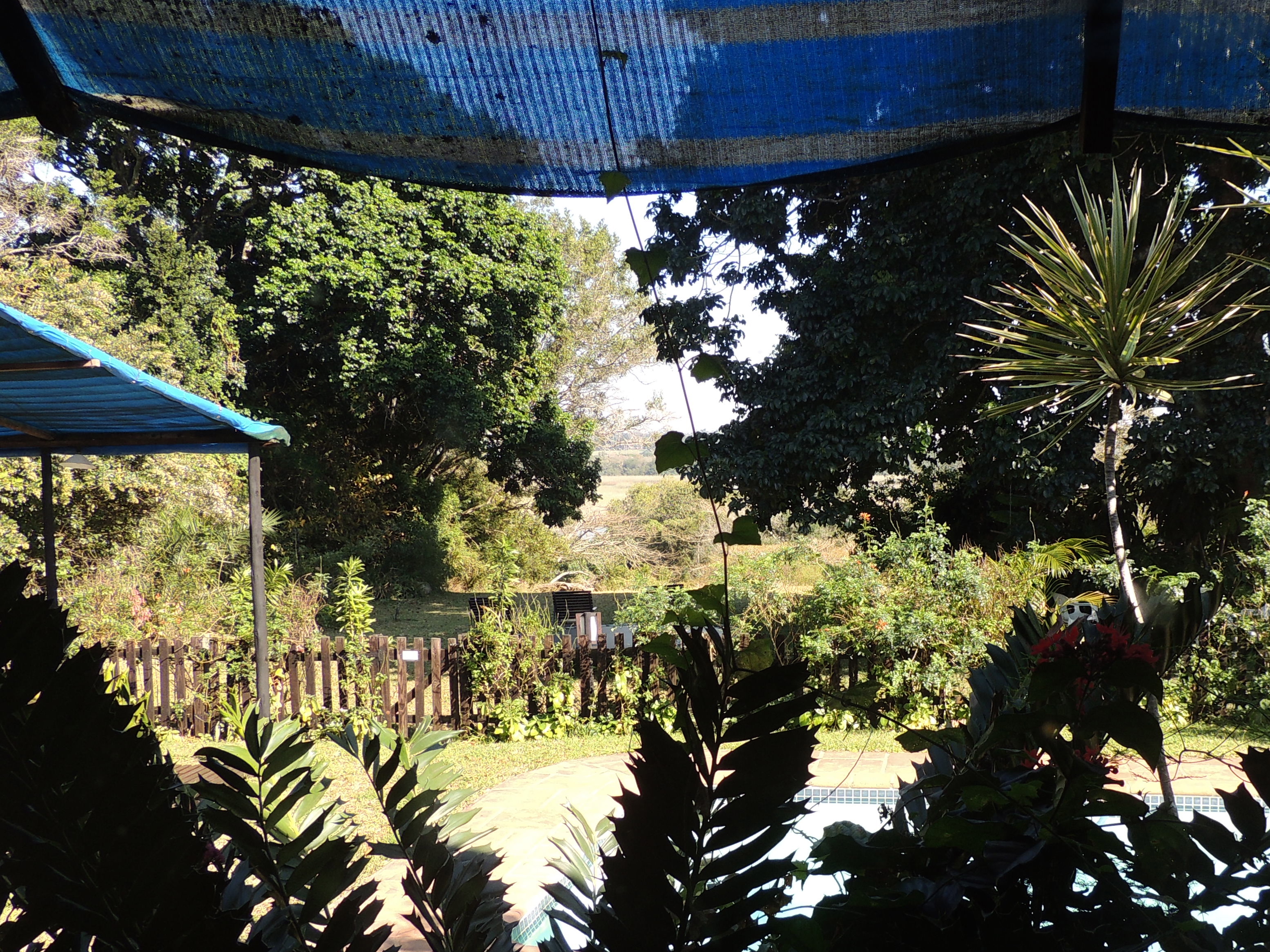
View from our window – the hippos were just on the other side of the fence
It was insane. Sometimes in Cape Town, I forget I’m in Africa because it can just seem like another city. Up in the middle of KZN though, it was impossible to forget. The next morning, we checked for signs of hippos, but not being pro hippo trackers, couldn’t find any. After an excellent breakfast at Thyme Square (if you ever find yourself in St. Lucia, go there. They serve pancakes with bacon, syrup and bananas and it is actually just the most delightful combo), we started the drive out to our next destination, Tembe Elephant Park.
I will post an update on Tembe later on this week – there are a lot more photos (if you can believe it!) since we were on a proper safari and, well, ANIMALS! I’m actually doing a class presentation on Tuesday though, so I should probably get some work done on that (and go grocery shopping, and be a semi-real person again. Sigh).
 I am a part of all that I have met///Rose v Date