
Before you ask, it’s pronounced ‘oot-schwoon.’ Oudtshoorn is the ostrich capital of the entire world, and as someone with a fear of birds, this was obviously extremely appealing to me. Regardless, I was told you could ride an ostrich, and it sounded like one of the funniest things in the world to me, so Dan, Hannah, Thea, and I based our first South African road trip around this activity! Fittingly, the first song to come on the radio was Nickelback’s “Photograph.” South African radio loves it some early-mid 00s Canadian music, as this was followed by Nelly Furtado and Michael Buble (and it made me realize how stereotypically Canadian I am, because every time a Canadian came on the radio, I would tell everyone that they were Canadian).
Driving in South Africa is an interesting experience. Off the very main highways, it’s all single lane, and to pass people, a slow driver will just move onto the shoulder. It ends up with cars travelling in either direction on the shoulder, and someone passing while straddling the middle line. Not the best system, but the highways were nicer than the 502 in Northern Ontario, so I felt pretty comfortable! It didn’t take me that long to get used to driving on the left side either, so I’m feeling pretty good about my skills.

Cruising through the Swartberg Range
The route we took from Cape Town to Oudtshoorn was the famous Route 62 (South African tourism likens it to the SA version of Route 66). The only parts of Route 66 I’ve been on were in Arizona, and the land we drove through reminded me of Arizona, so I could kind of see it.
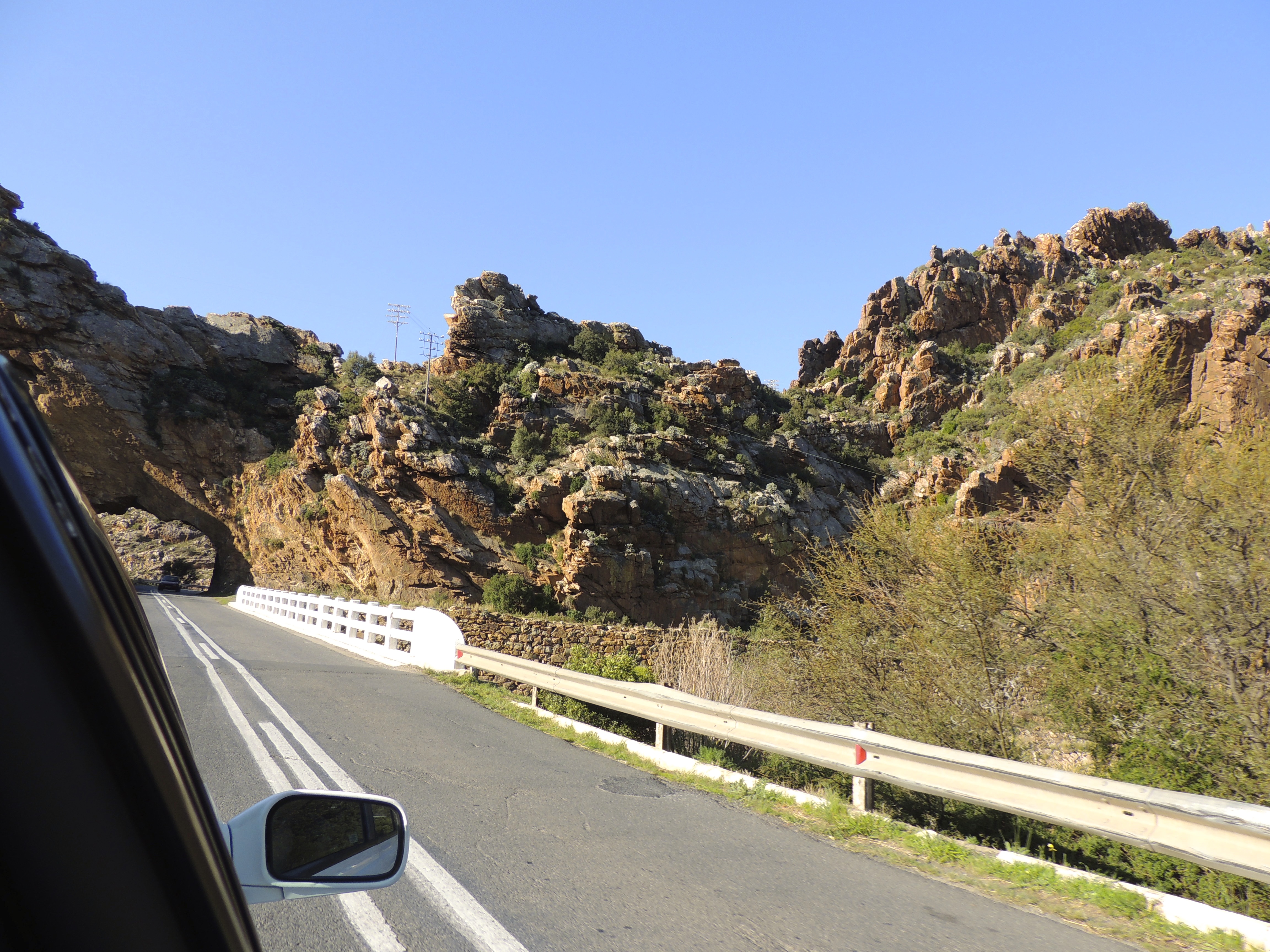
Starting to get into the mountains outside Paarl
There were also some awesome tourist spots along the route – most notably for us, Ronnie’s Sex Shop. Ronnie originally opened ‘Ronnie’s Shop’ to sell fruit along Route 62. As a joke, his friends decided to paint ‘sex’ after his name. People started dropping in, and someone suggested he open a pub. It now has its own ale (which we had to sample), and the interior is covered in graffiti from visitors.
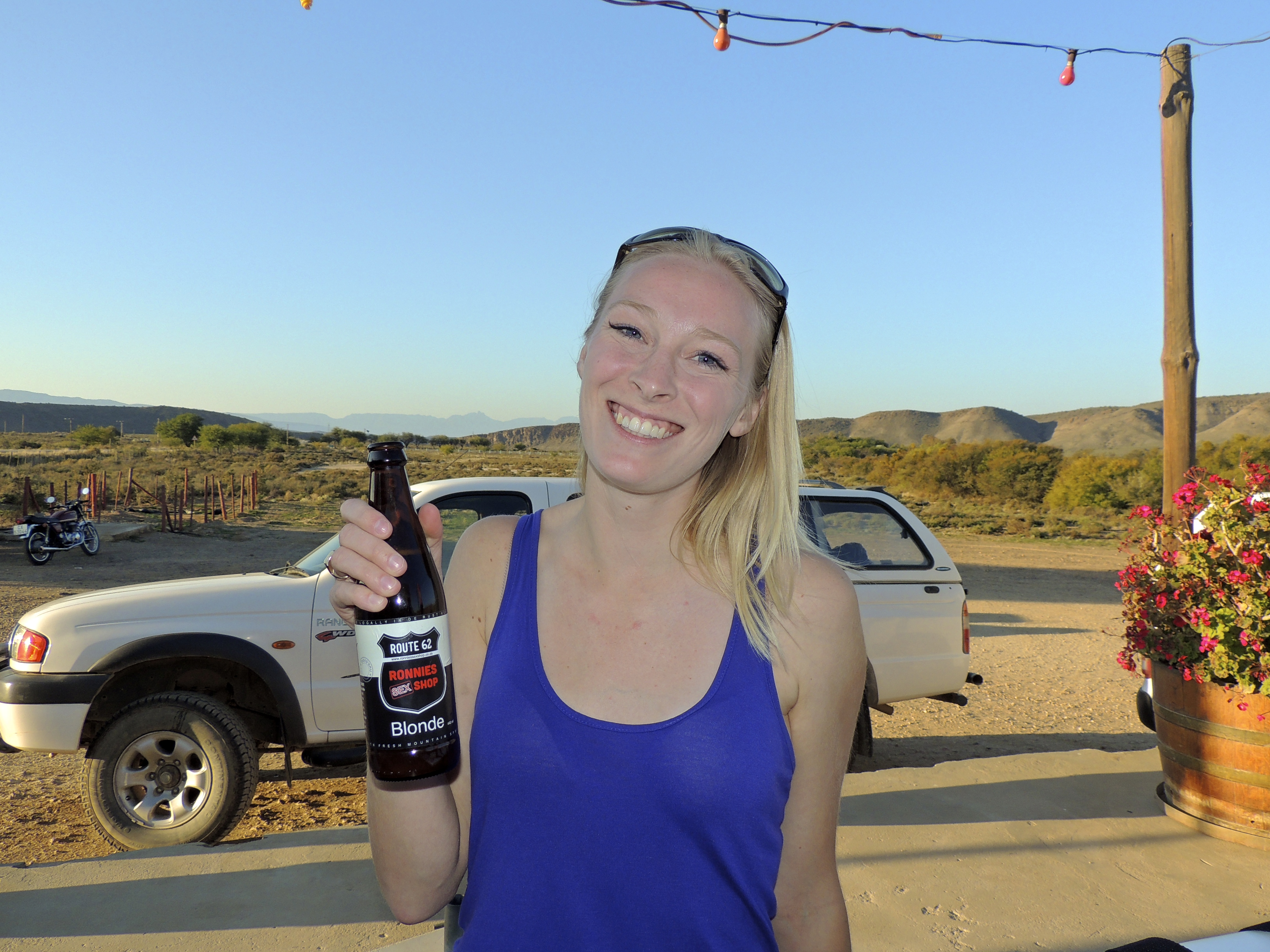
Blonde having a blonde ale at Ronnie’s Sex Shop
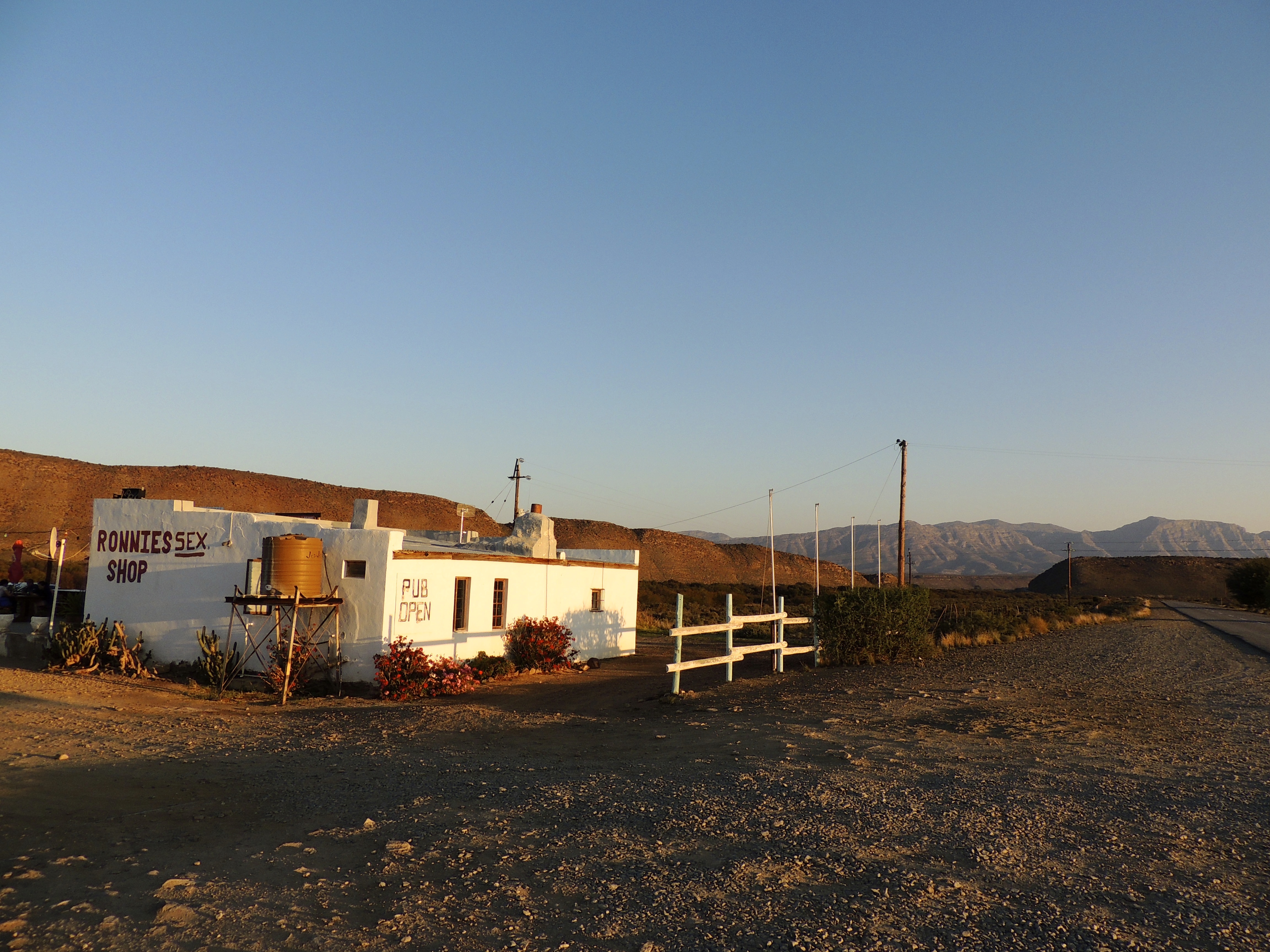
Ronnie’s Sex Shop, located outside Barrydale on Route 62
The drive from Cape Town to Oudtshoorn was around 450km, and took us about five hours, but we finally made it to our hotel, Hlangana Lodge (obviously, that’s pronounced shlane-ghana). The lodge had a heated room, which felt like such a luxury since our house in Cape Town is always freezing! It also had a TV, which was strange to see here, since we don’t have one at home either. We went to bed at a reasonable time, since we had booked an ostrich tour for the next morning at 8:30.
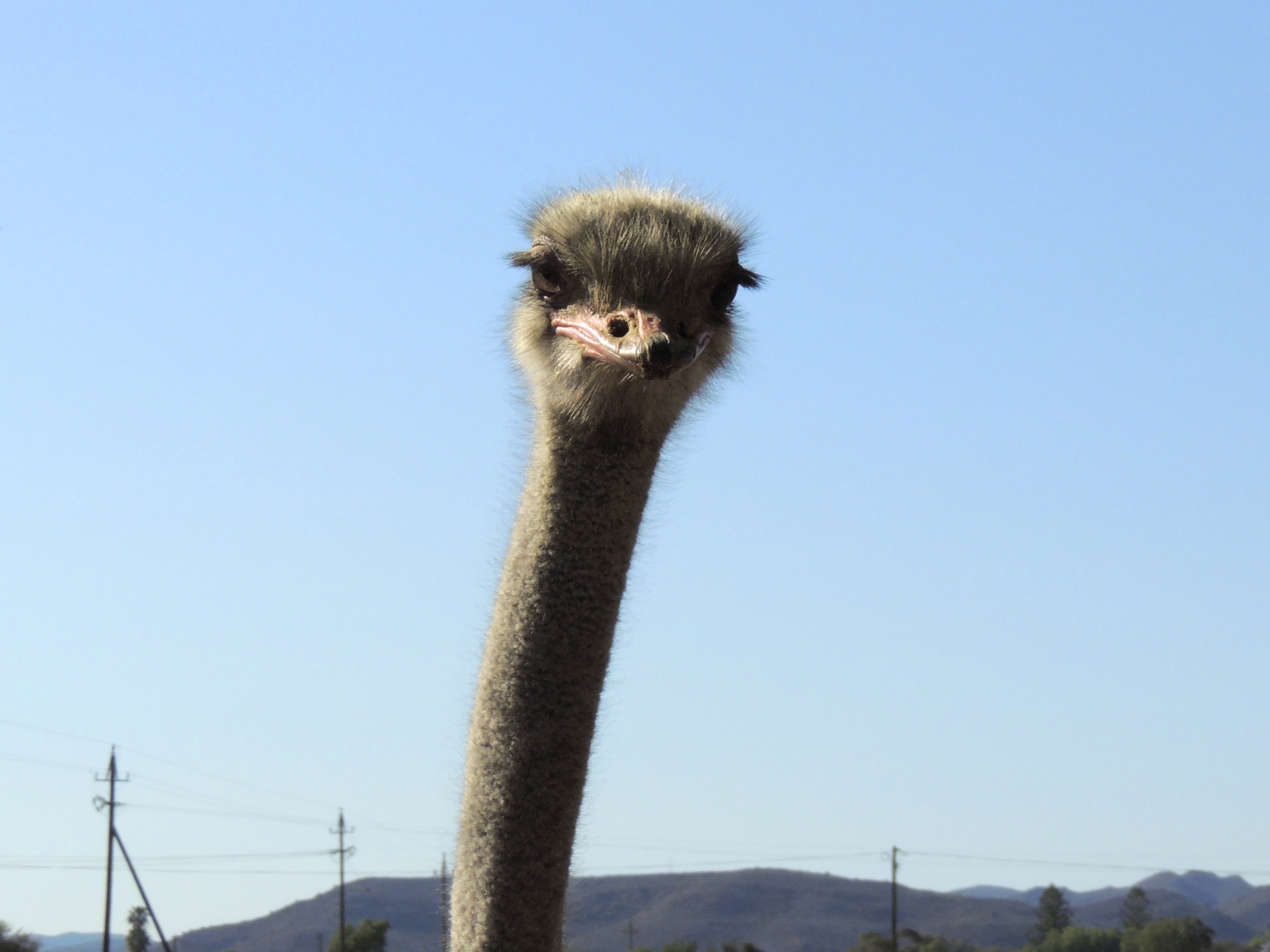
An ostrich’s eyes take up 2/3 of their head
The ostrich tour consisted of an educational segment regarding the specific farm, the breeding program, and the various uses of ostriches, but the most exciting parts were the interactive parts – feeding an ostrich, standing on ostrich eggs (they can hold up to 160kg), sitting on an ostrich, riding an ostrich, and eating ostrich meat and eggs (we really did just about everything you can legally do to these birds).
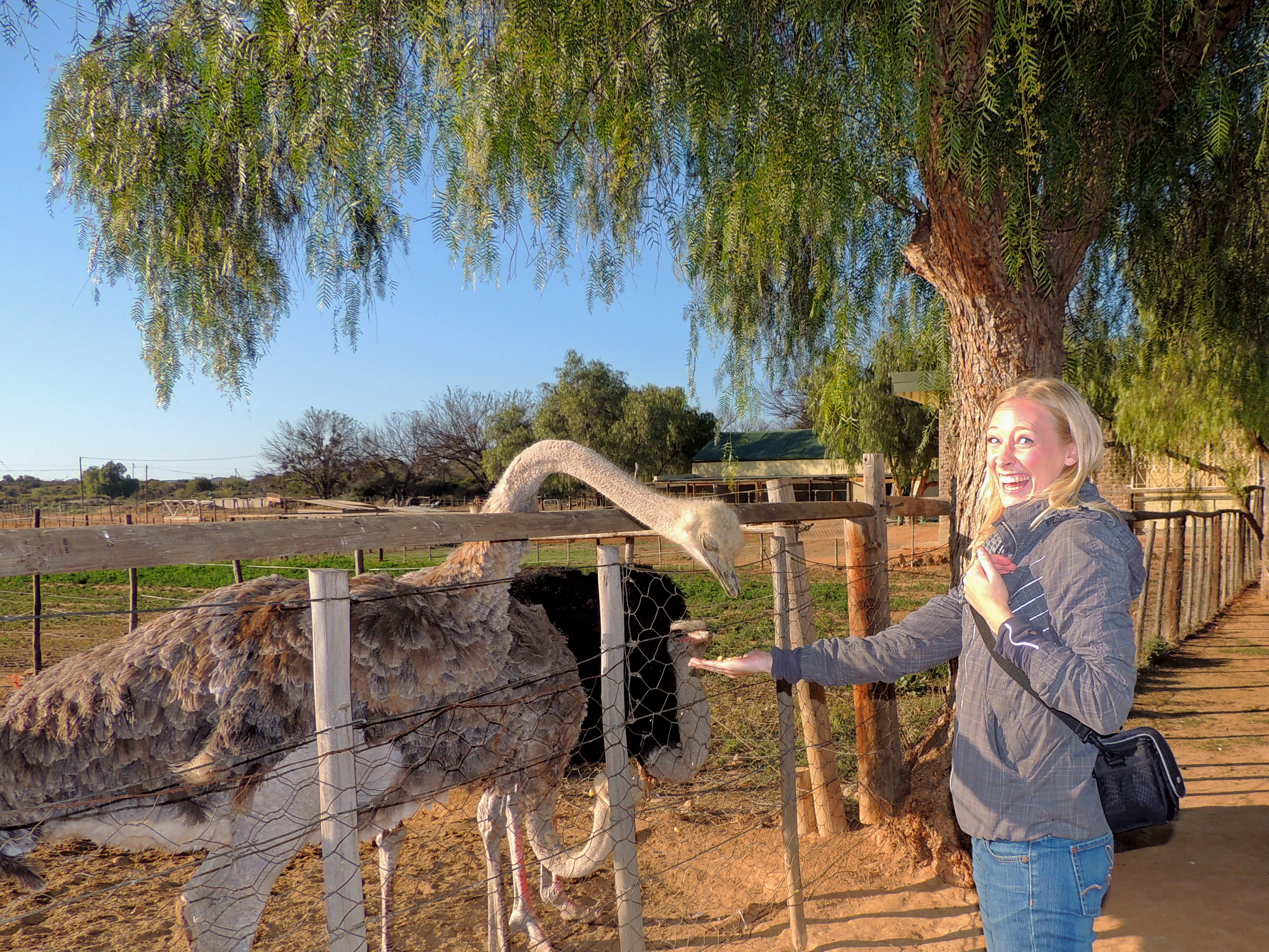
The perfect blend of terror and excitement
It would take an hour and a half to hardboil an ostrich egg, and one egg can feed up to eighteen people. I think tree planting camps should start farming ostriches. Think of all those camp eggs.

Standing on some eggs while Suzie looks on suspiciously
We also got to watch professional (if you can call it a profession? I didn’t get any info on a league) ostrich jockeys race one another. Riding the ostrich was actually so hard – you had to sit very far back on it – and they just hopped on no problem and let the ostriches go. I was actually really impressed to learn that an ostrich can maintain its top speed (around 100km/h) for around three miles.

TALLY-HO!
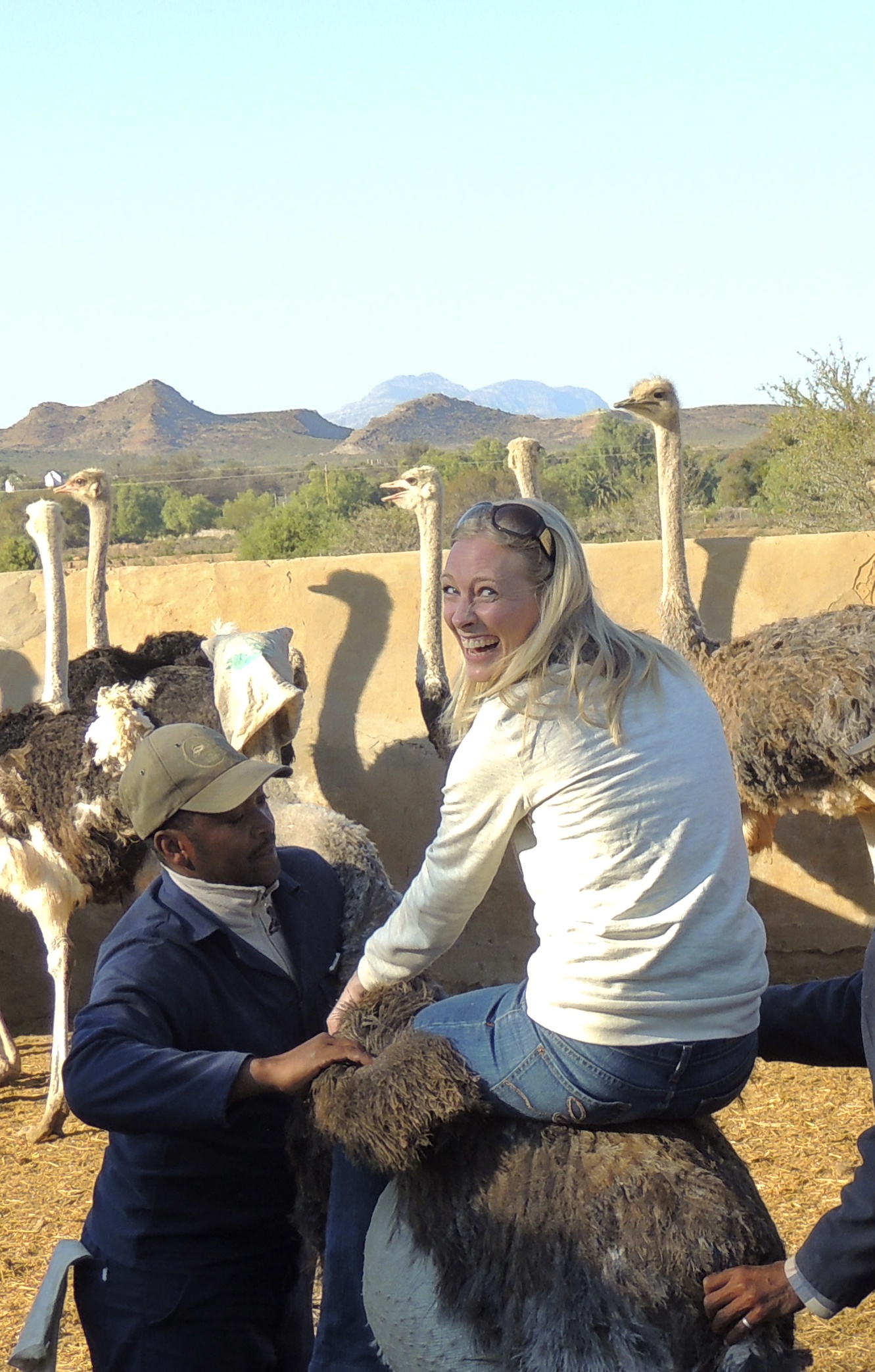
So excited to get going
I managed to stay on the ostrich for the longest time (thanks to all the young horses I used to ride), but to be fair, I think I got the nicest ostrich – everyone else got male ostriches, and I got the female. You can tell an ostrich’s sex from the colour of its feathers – black is male, and gray is female.
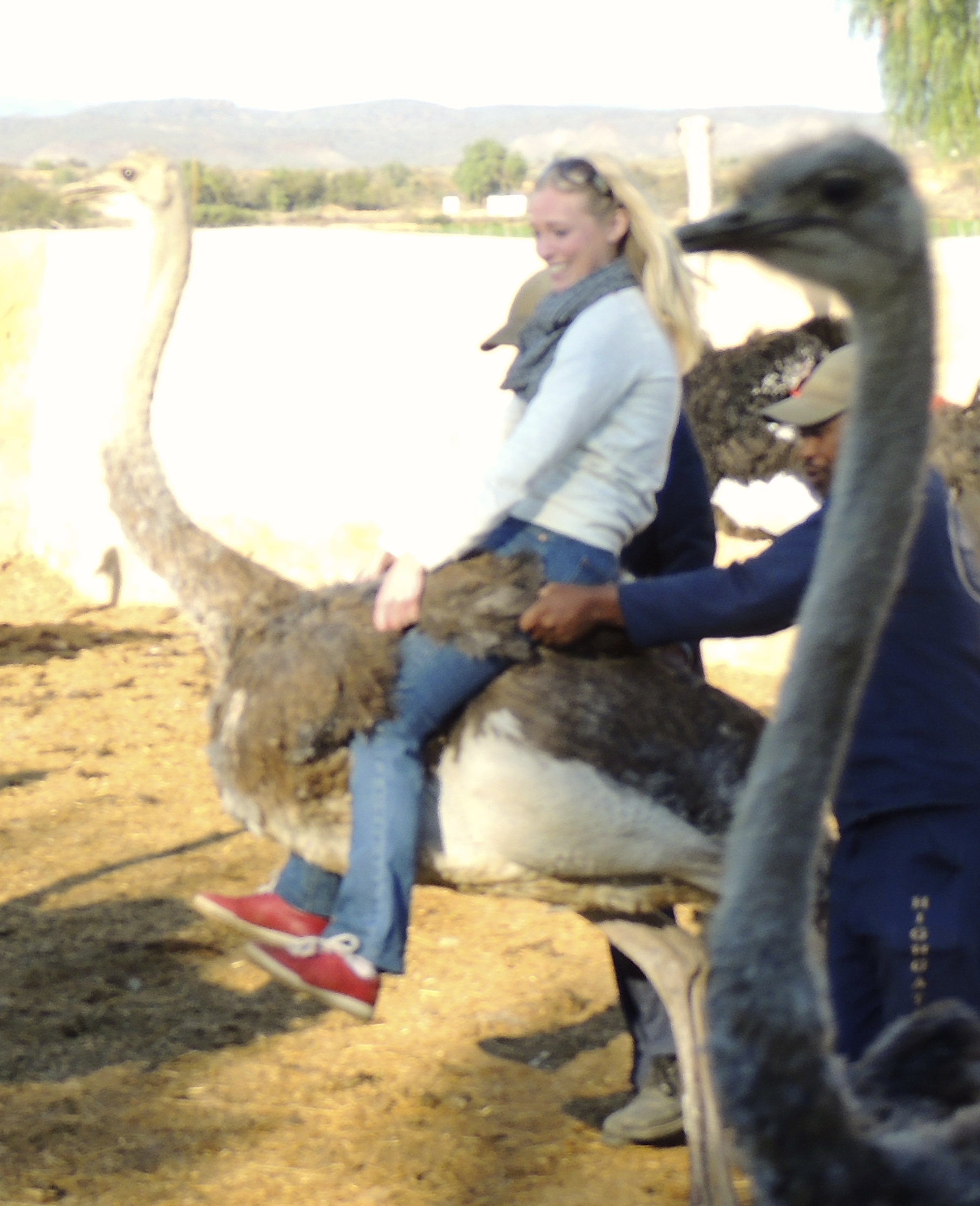
Off I go!

Faster!!!
After the ostrich tour, we went out for lunch at Buffelsdrift Game Lodge. It’s a hotel and restaurant, as well as an area in which you can go out on a mini-safari. The restaurant is on a deck overlooking a dam full of hippos (who were unfortunately hiding on the other side) and on the opposite side of the dam is a game reserve.
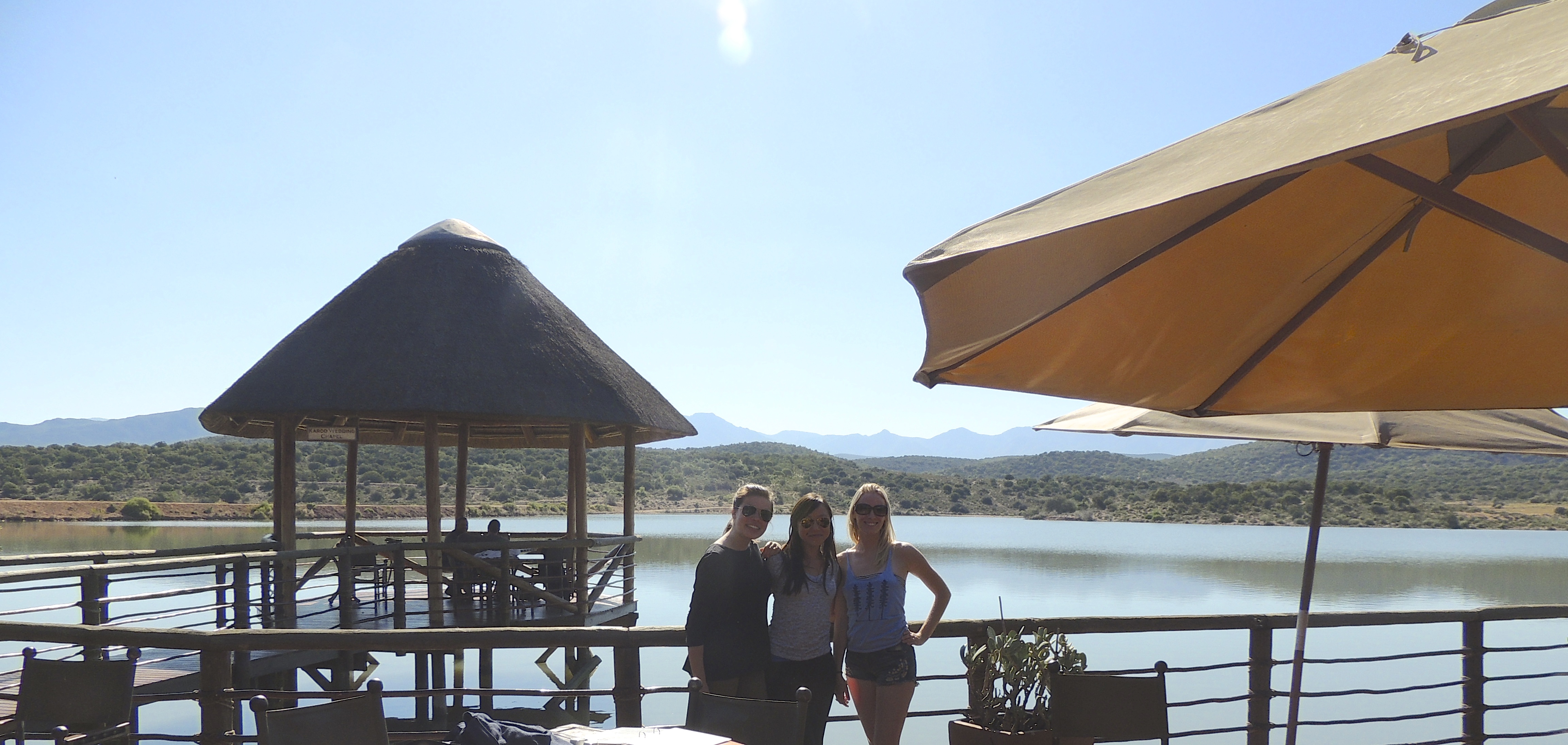
Thea, Hannah, and I in front of the dam at Buffelsdrift
The lodge also took in three orphaned elephants from Kruger Park. They’re very used to people since they were raised at the lodge, so we had the change to feed them and play soccer with them. I love how clever elephants are – they knew we had food for them so they kept hugging us with their trunks, since that’s one of the tricks they’ve been taught.
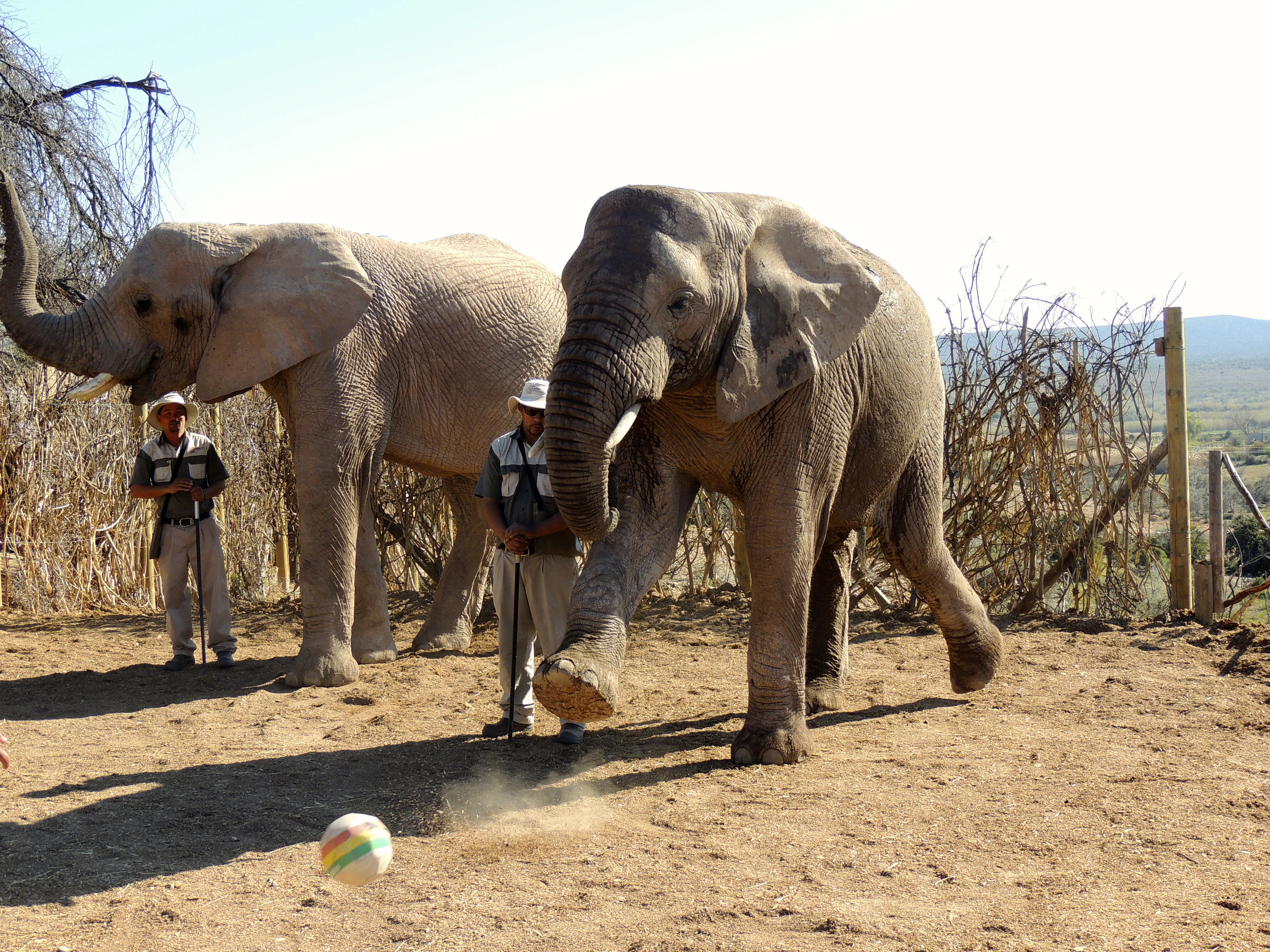
Malaika kicking the soccer ball around
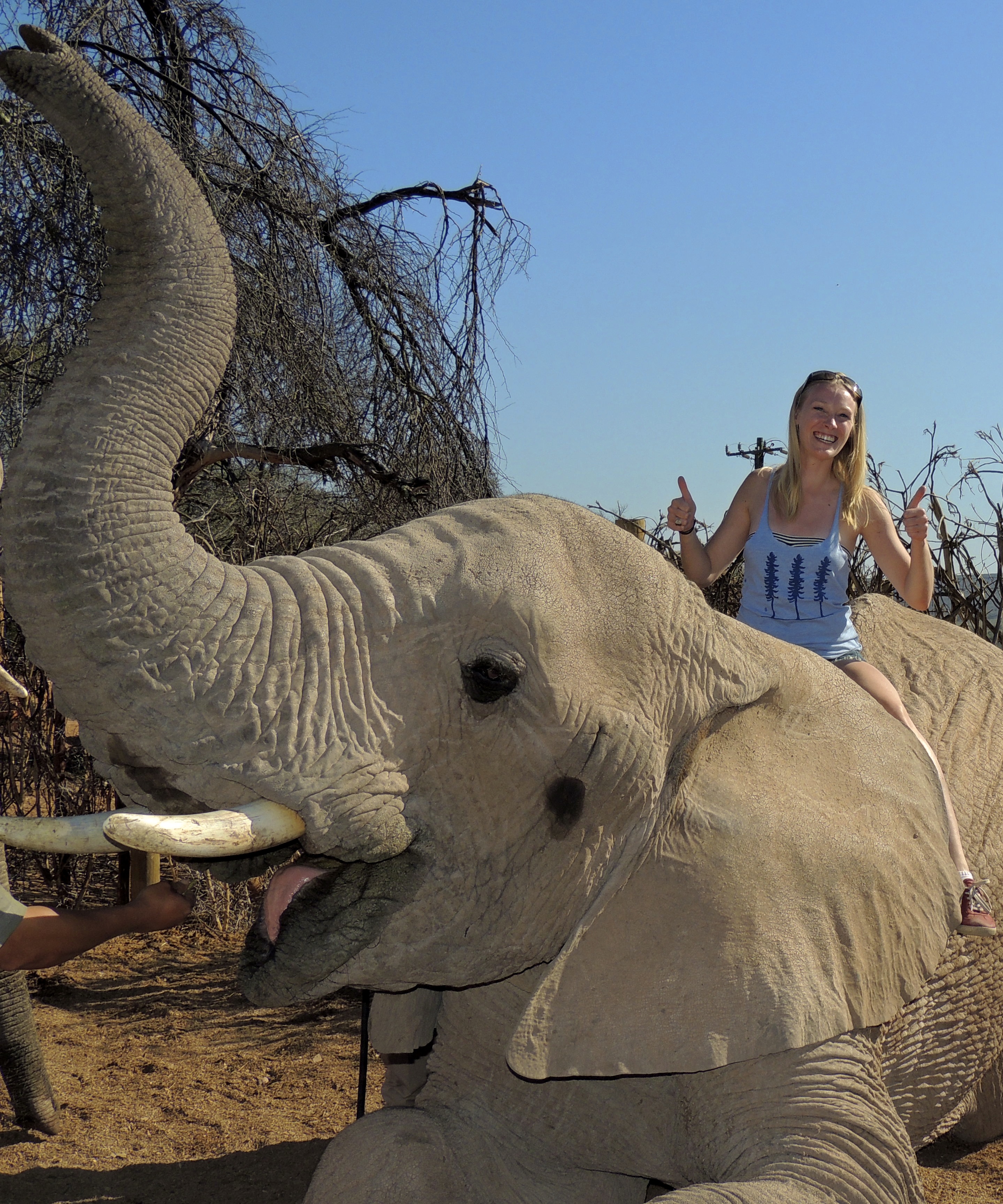
Thumbs up, trunks up with Bulelo
We fed Malaika, the only female elephant they had there (she’s in charge of the boys). Malaika means ‘angel.’ The other two elephants were bulls – Jabari (‘powerful’) and Bulelo (‘thank you’).
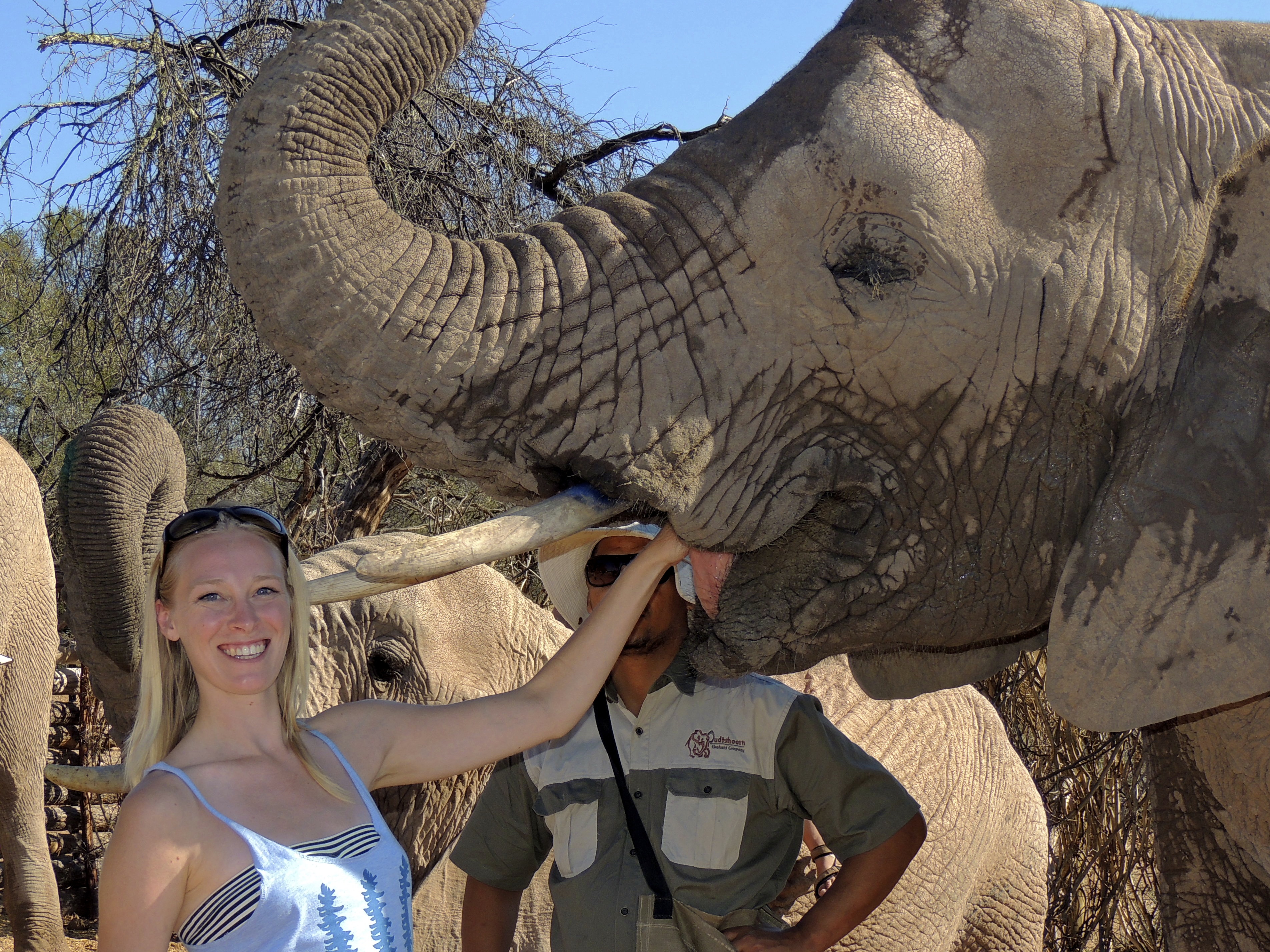
Giving Malaika some fruit
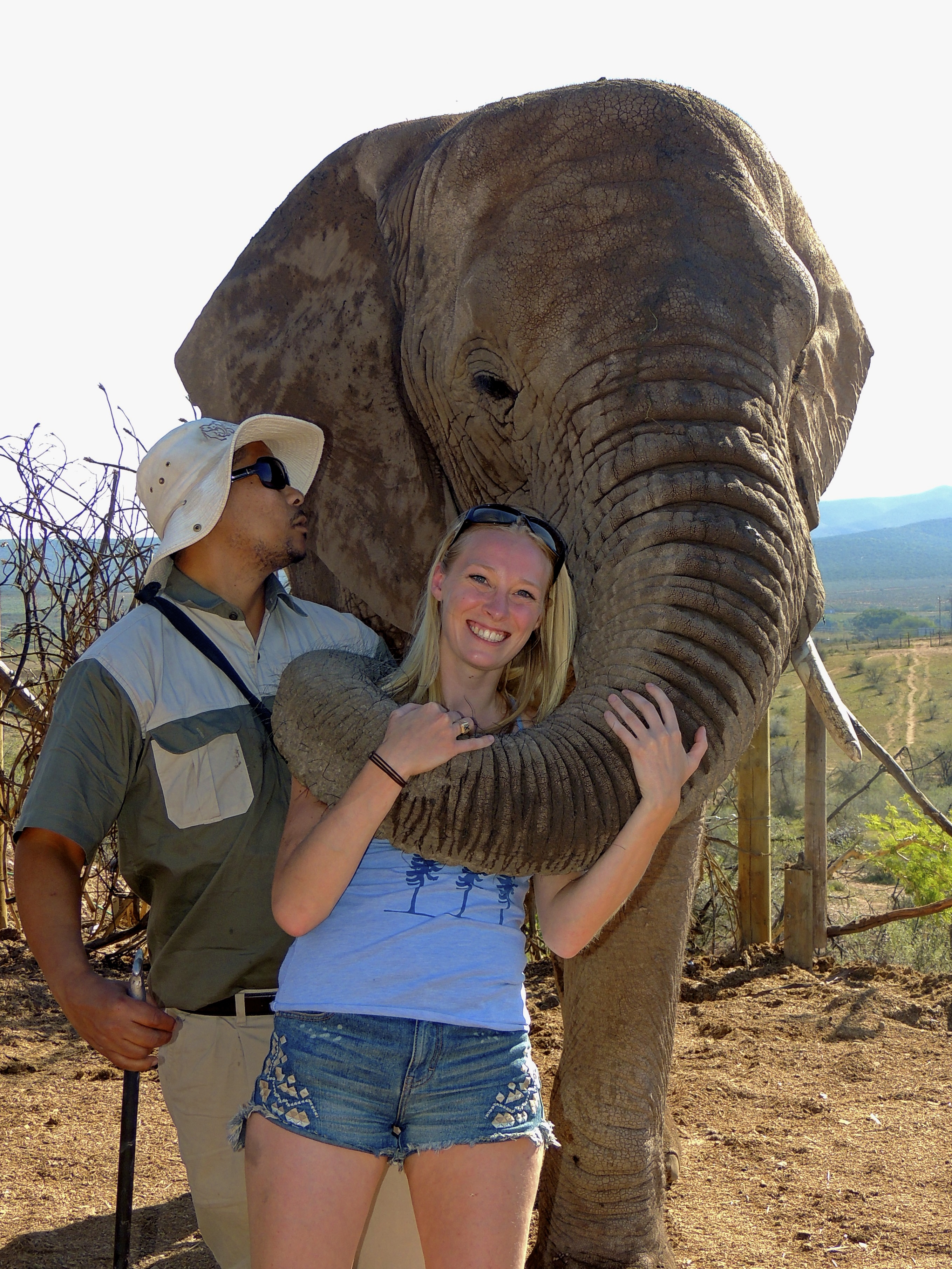
Getting a hug from Malaika
After visiting with the elephants, we headed to the Cango Wildlife Ranch. It has exhibits of different animals found in Africa, and its focus is on the conservation of species, specifically cheetahs. They also operate a cheetah breeding facility across the road from the ranch, which is closed to the public (but you can volunteer there, and they’re expecting two litters of cheetah cubs in October). As an otter enthusiast (I can call myself that) I was extremely excited to see that they had two small-clawed otters, which are, of course, the fastest otter species!
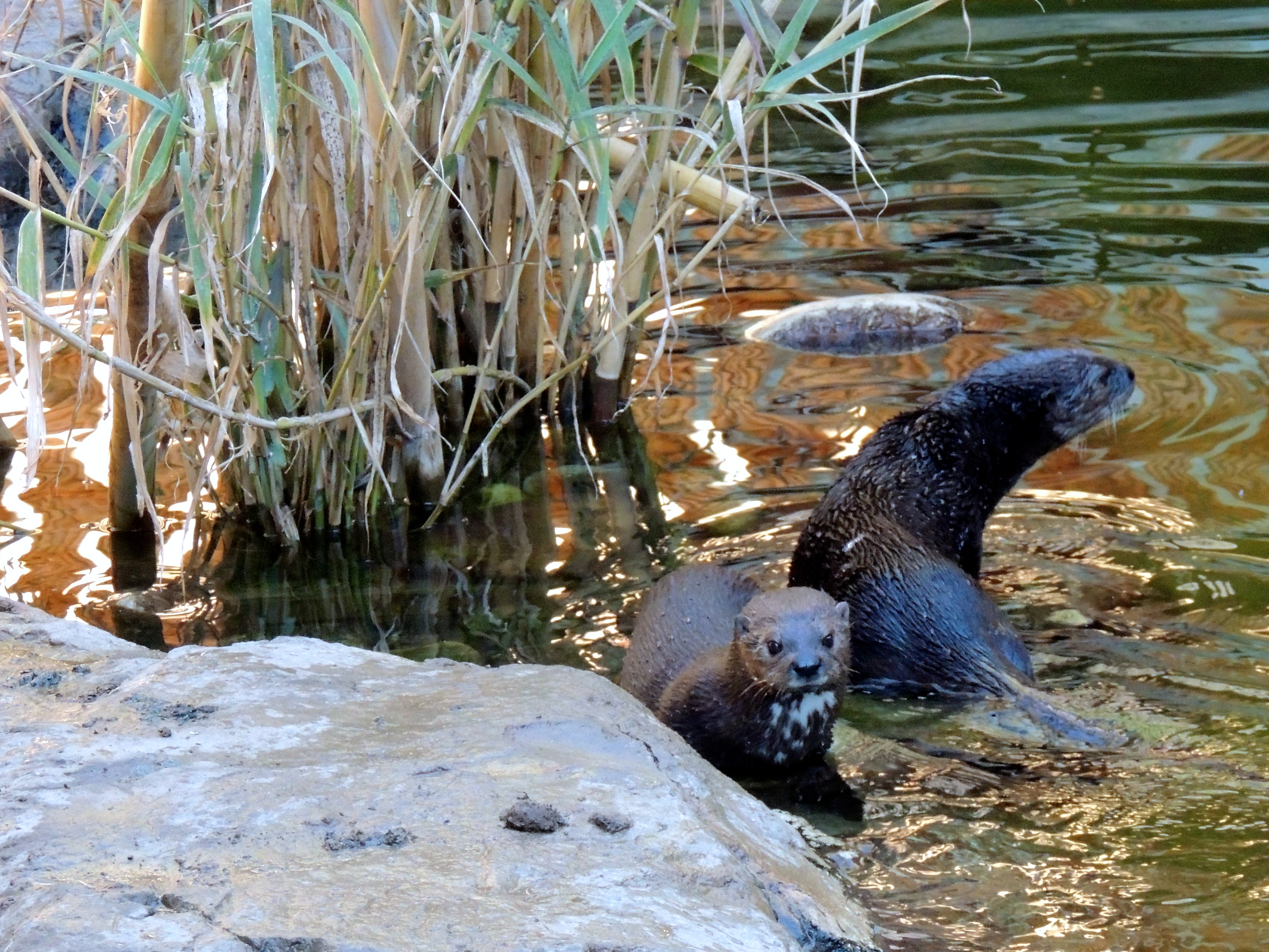
D’awwwwwww
As part of the ranch’s efforts to raise funds for their conservation efforts, they offer animal encounters. This gives you the chance to visit with some of the animals they keep in the ranch itself. The cats they keep within the ranch haven’t reached sexual maturity yet, so they are raised within the ranch to be sociable with people before going to the breeding program. I met Mia, one of the female cheetahs there. I couldn’t believe how loud she purred! Apparently cheetahs are the only big cat in Africa that are domesticated. Meaning yes, you can keep a cheetah in your home. I know what I’m bringing back to Canada.
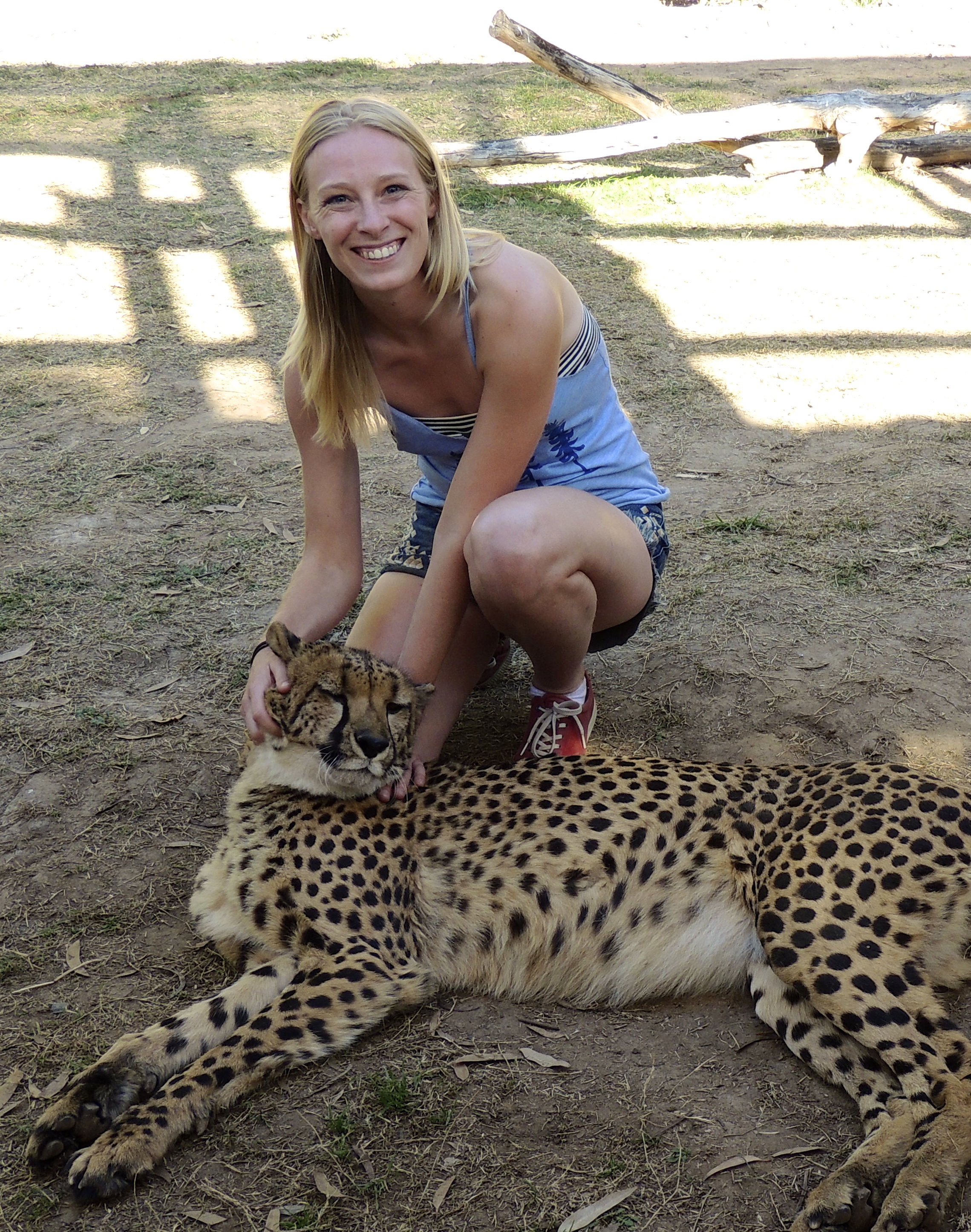
Happy kitty
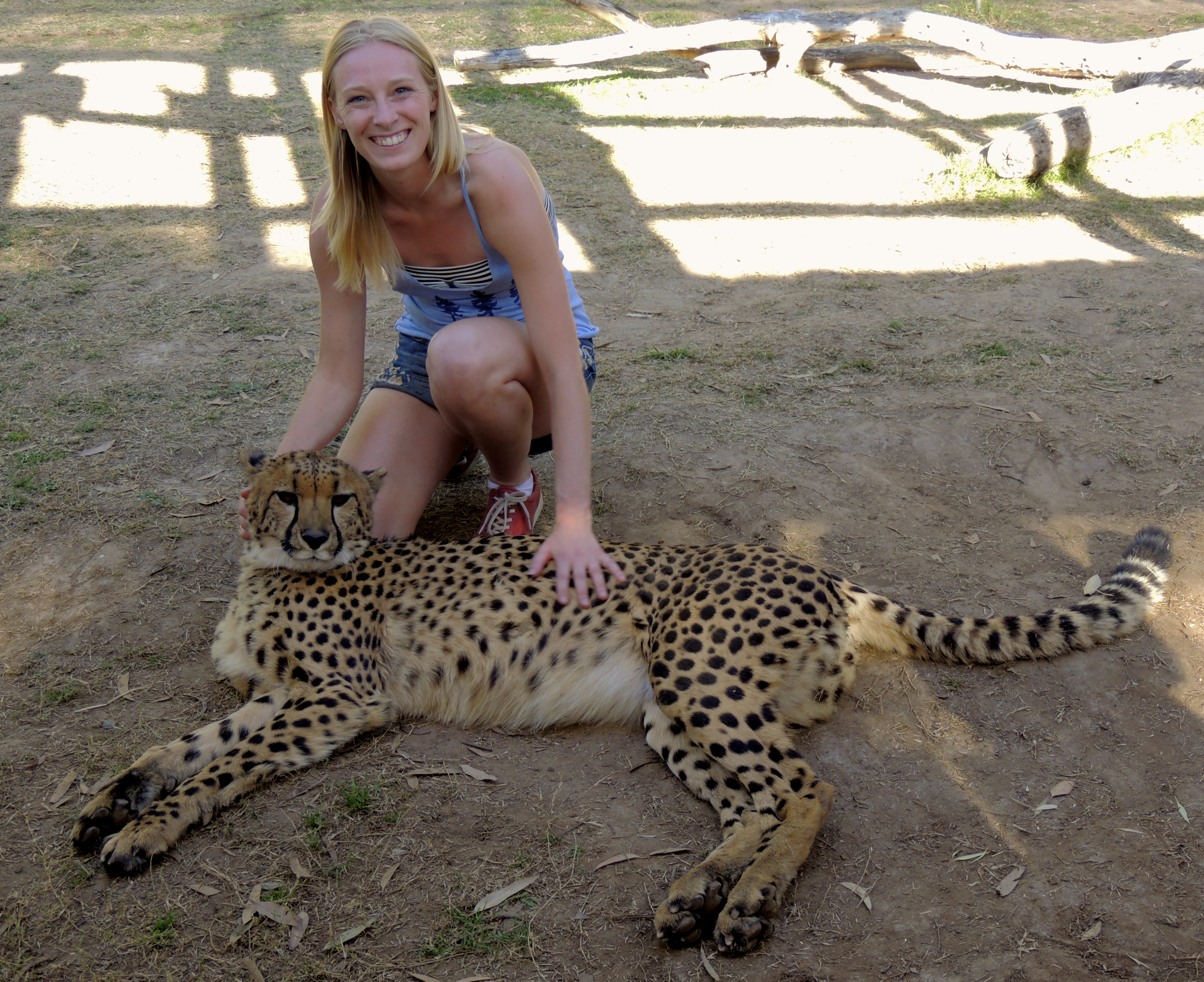
Mia posing
Thea, Hannah, and I also met some lemurs! They were so soft and funny! They would just jump on your head and sit there a while, then hop away. One of the lemurs ended up being a jerk and chasing all the other ones away to hog all the fruit though. Not exactly a sharing is caring lemur.
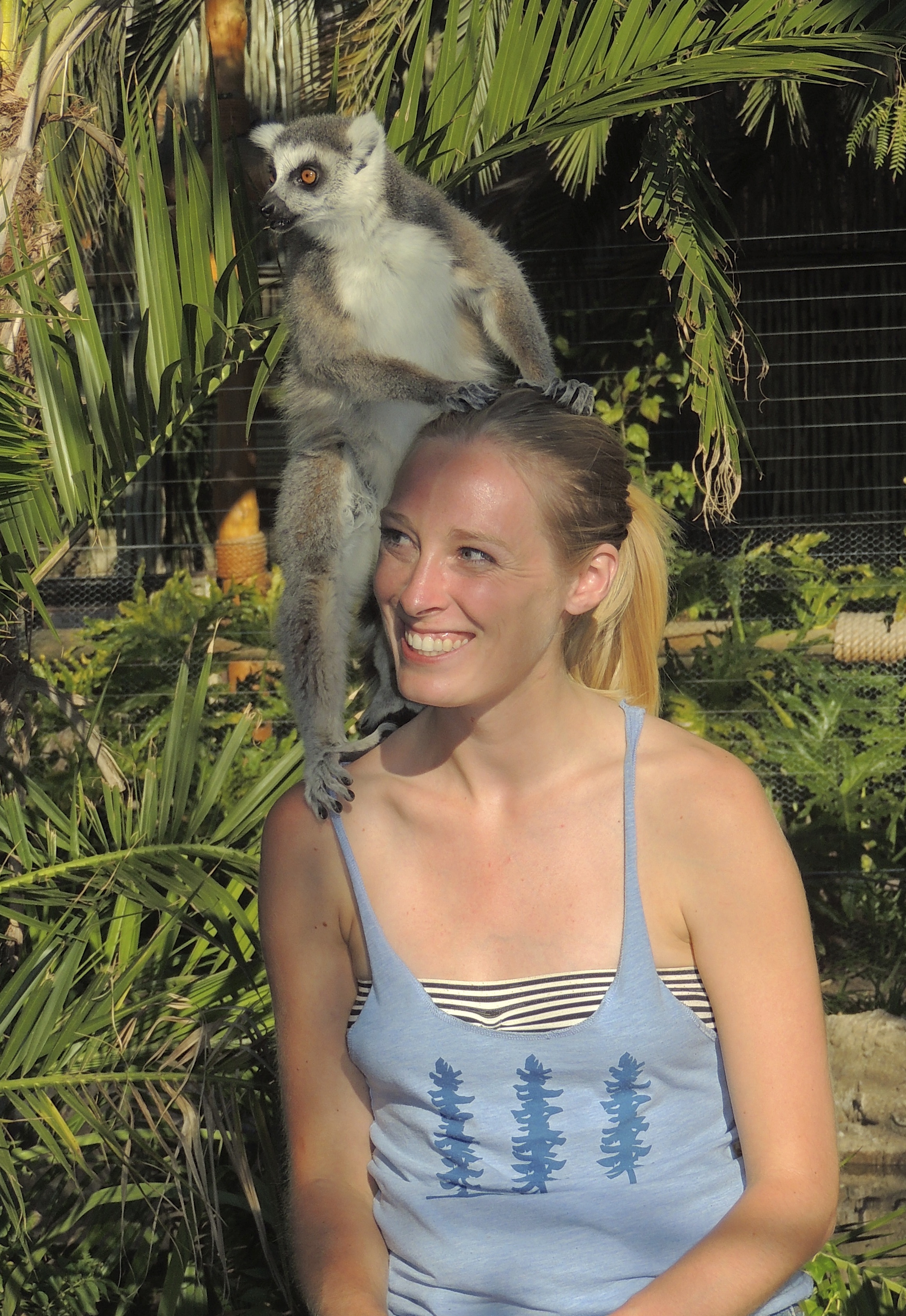
King Julian
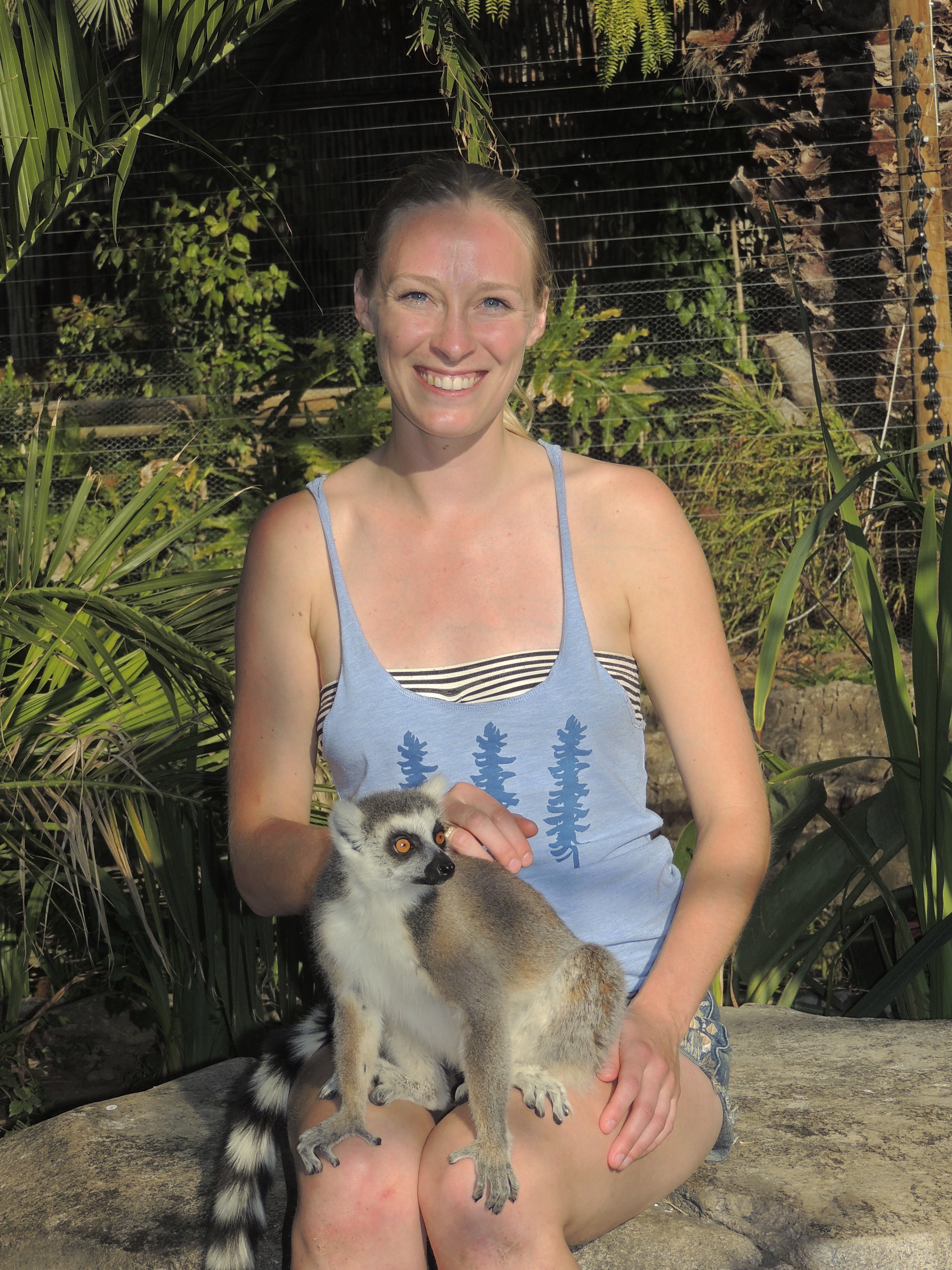
So soft!
After the ranch, we went back to our lodge to take a quick nap, and then went out for dinner. It was such a long day though, and we had to be up with the sun on Sunday, so it was another early night!
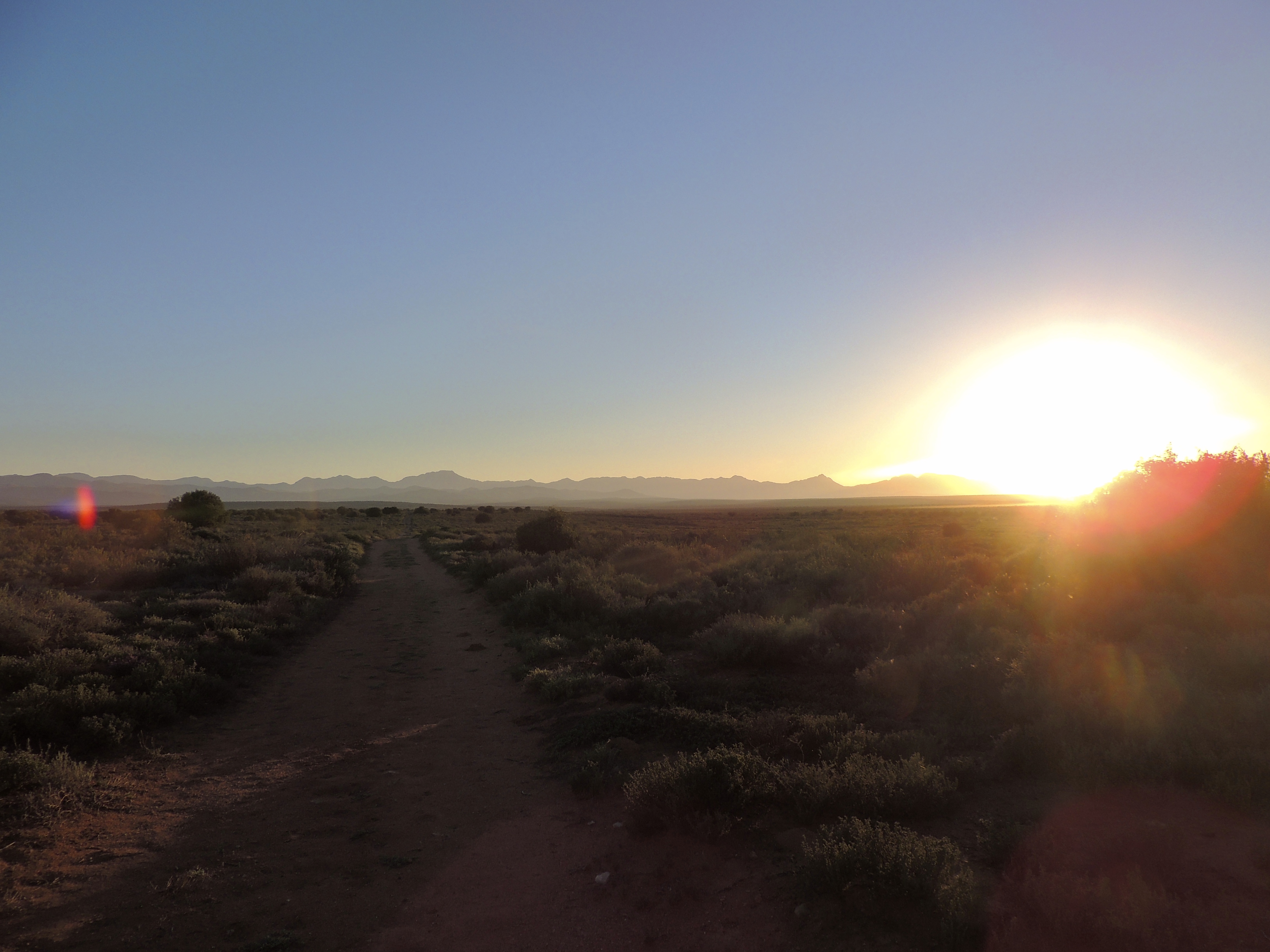
Sunrise outside Oudtshoorn (it put The Circle of Life in my head all day)
Sunday morning, Hannah, Thea, and I (Dan slept in, shame) got up to watch the sunrise with a wild meerkat burrow. The tour was run by a man who has been studying meerkats for over a decade, and is currently using some local farmer’s land to study a family of meerkats.
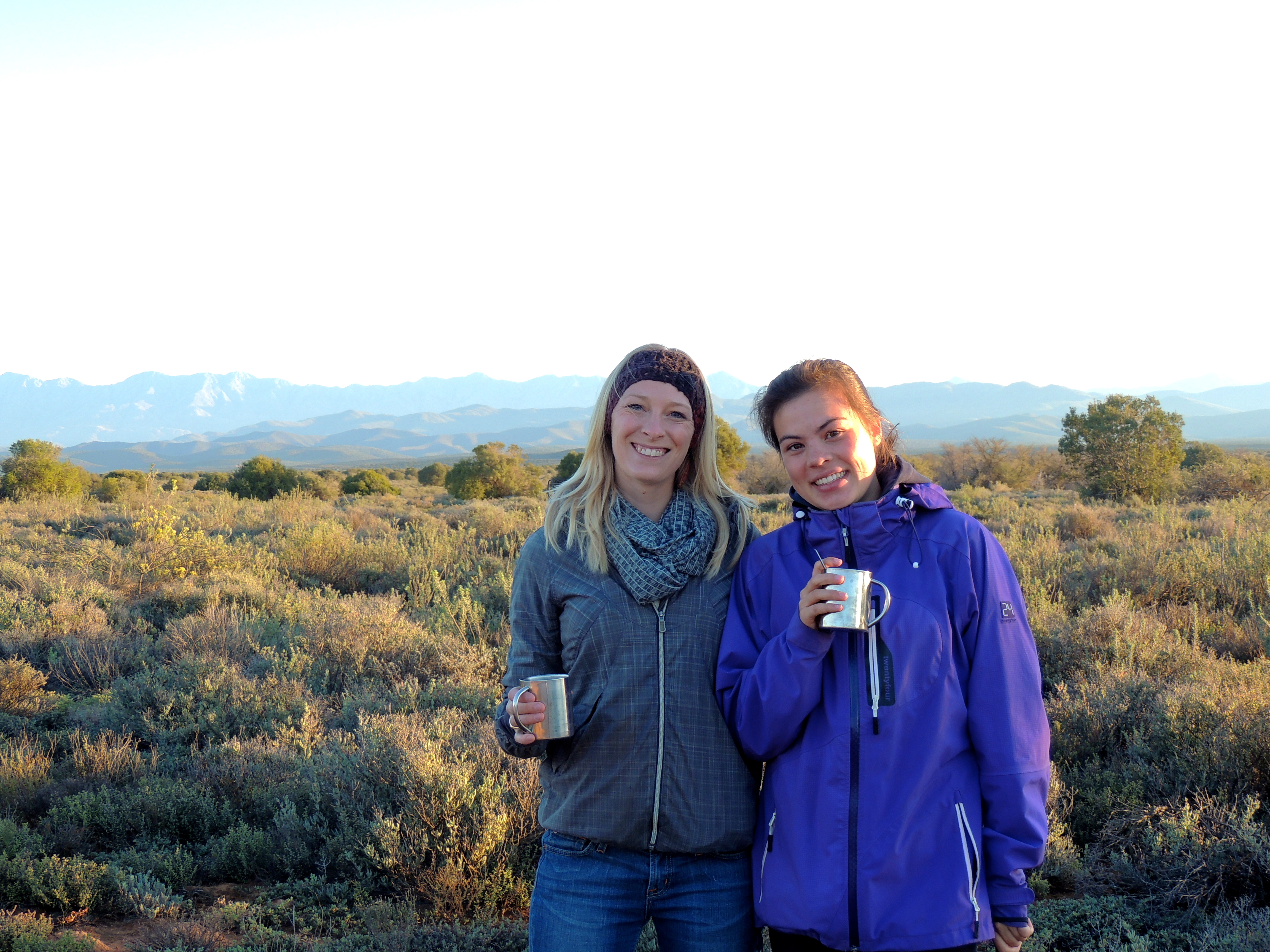
Thea and me enjoying a sunrise coffee before going out to the meerkat burrows
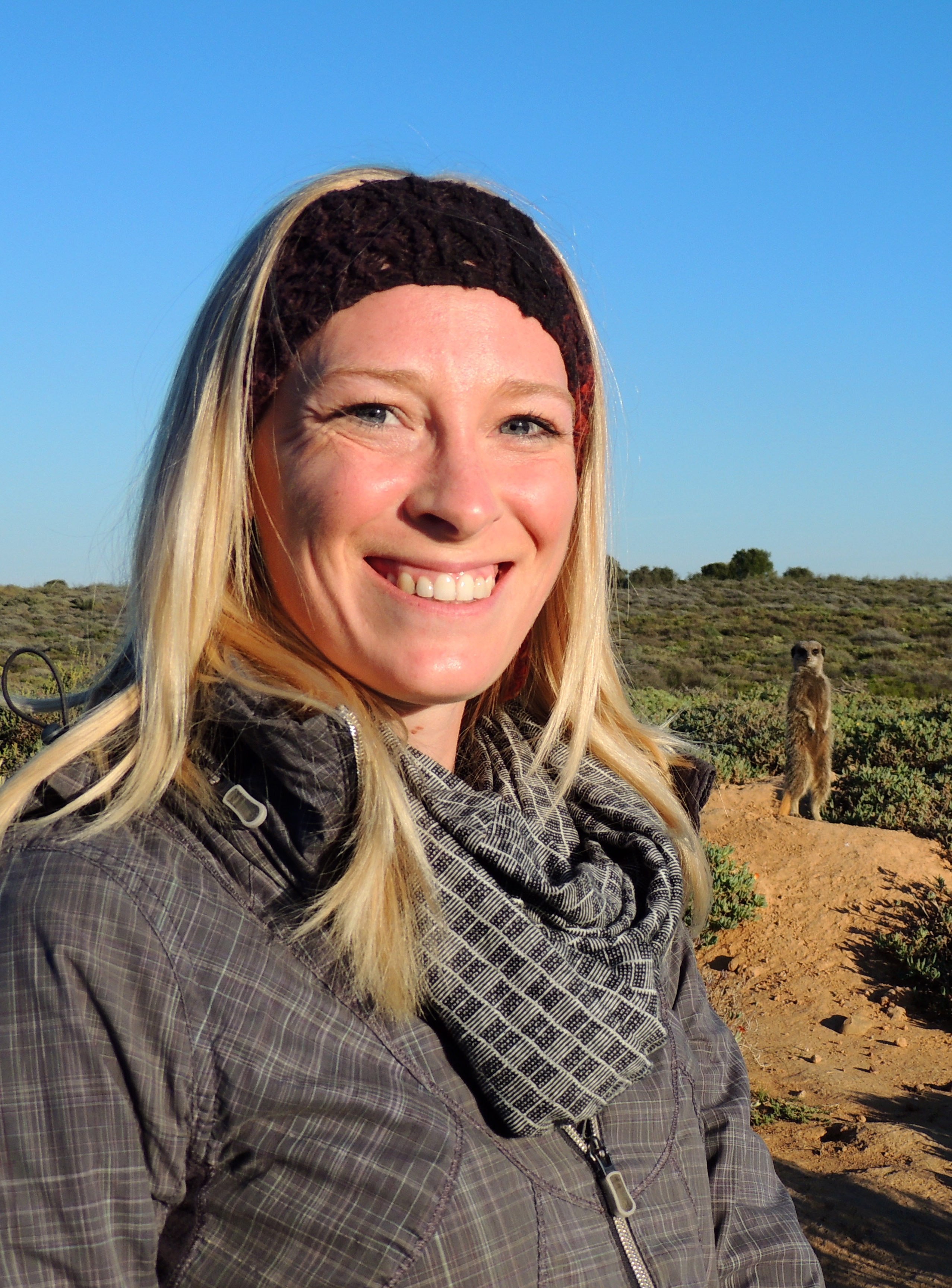
Chilling with Timon
When we got to the burrow, a meerkat was already up doing sentry duty. Meerkats live in gangs, with a dominant male and dominant female. The dominant pair are the only meerkats allowed to breed in a gang, and once males reach sexual maturity they head out on their own to find their own meerkat lady. All the other meerkats in the gang are responsible for baby sitting, foraging, and warning the other meerkats of danger. The other female meerkats all act as surrogate mothers (they all cycle up together and produce milk when there are pups).
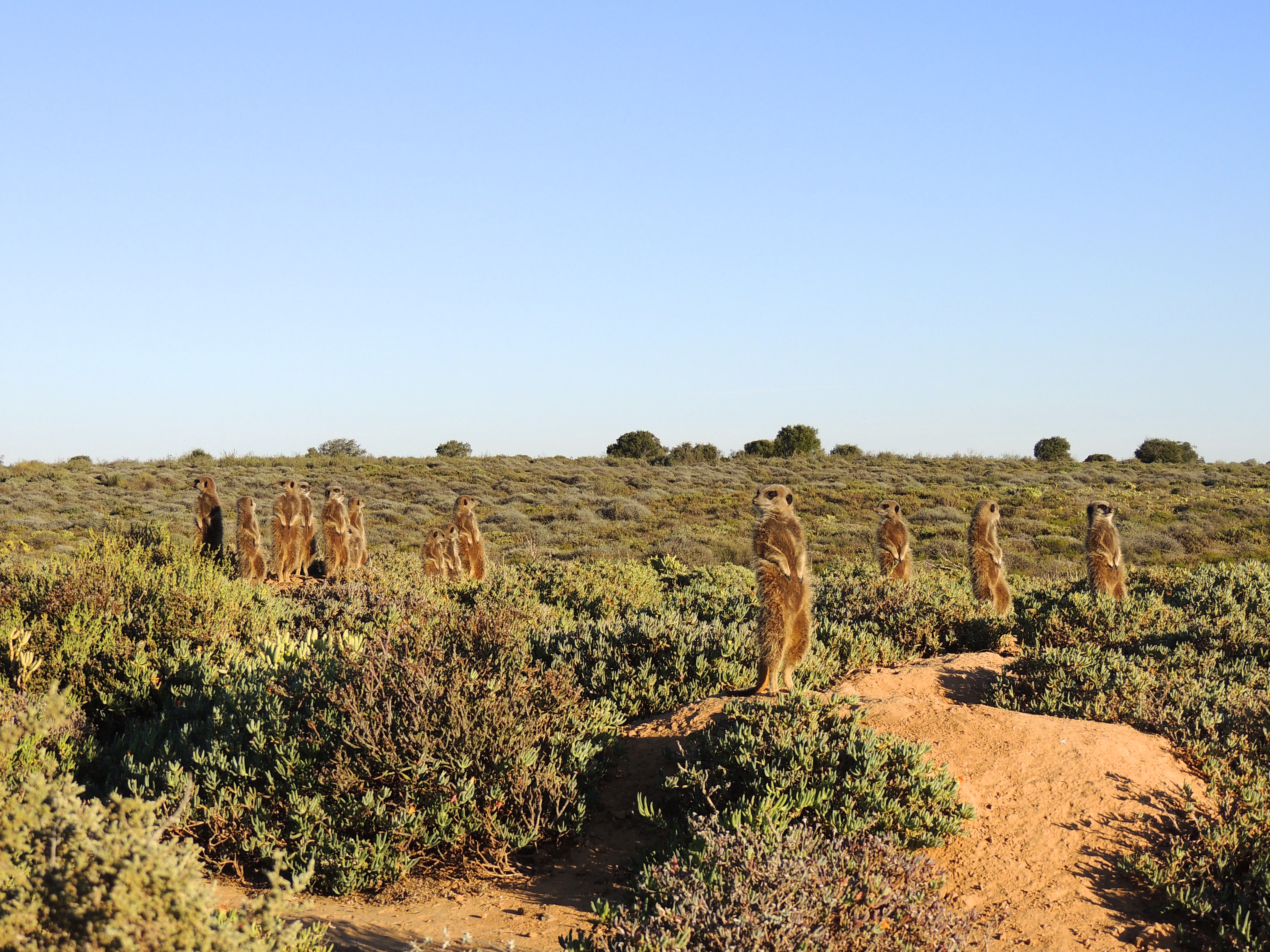
Everyone coming up out of the burrow
When meerkats first wake up, they spend time standing facing the sun to warm themselves. They have a patch of fur on their bellies that is thinner than the rest of their fur, so that is their little solar panel.
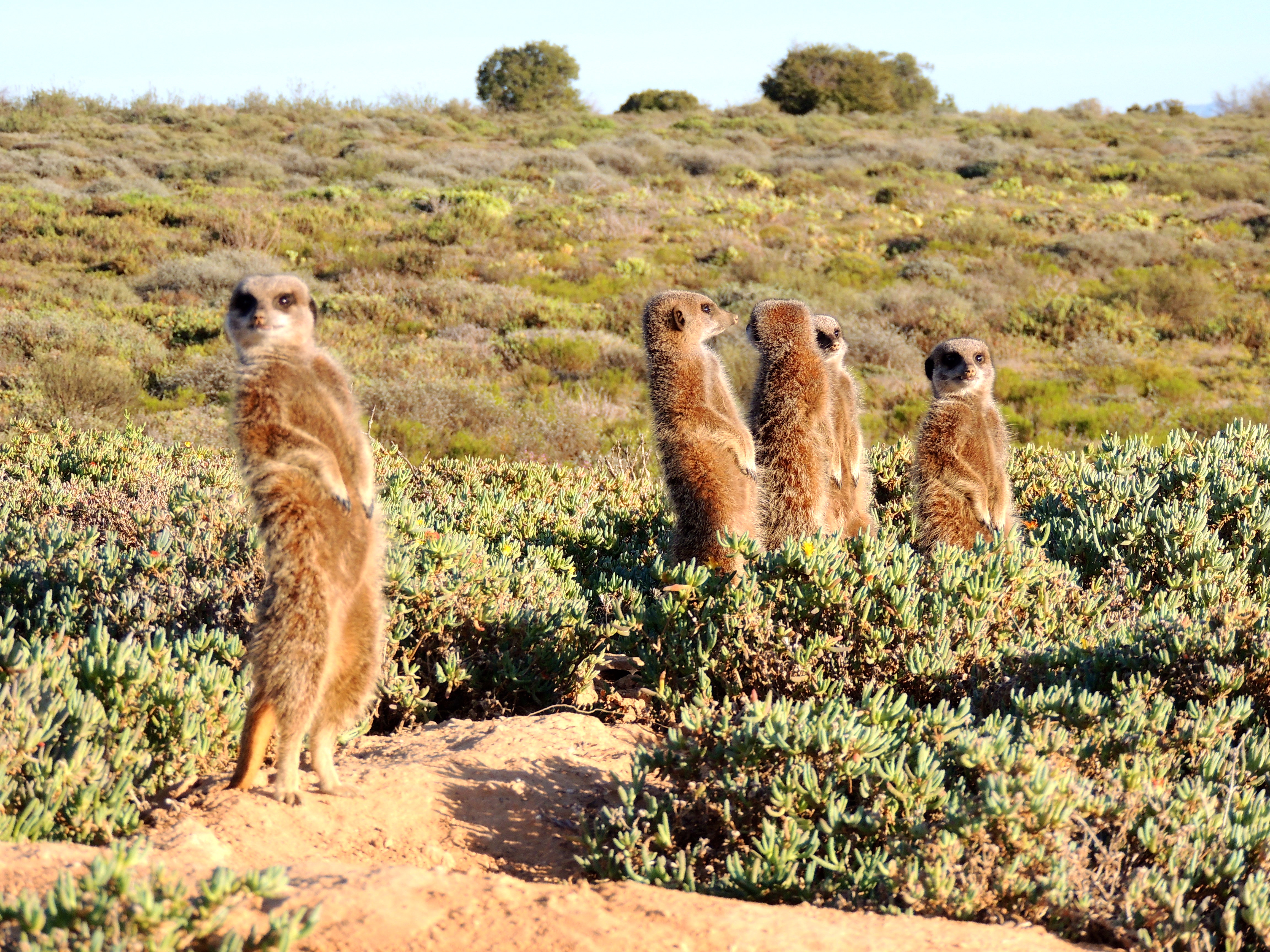
Catching some rays in the morning sun
After all the meerkats were up and warm, they started heading out to forage. We followed them for a little bit to two different burrows, but the men who study these meerkats only interact with them in the early morning and just before the meerkats go to sleep. This minimizes the amount of human interaction with the meerkats.
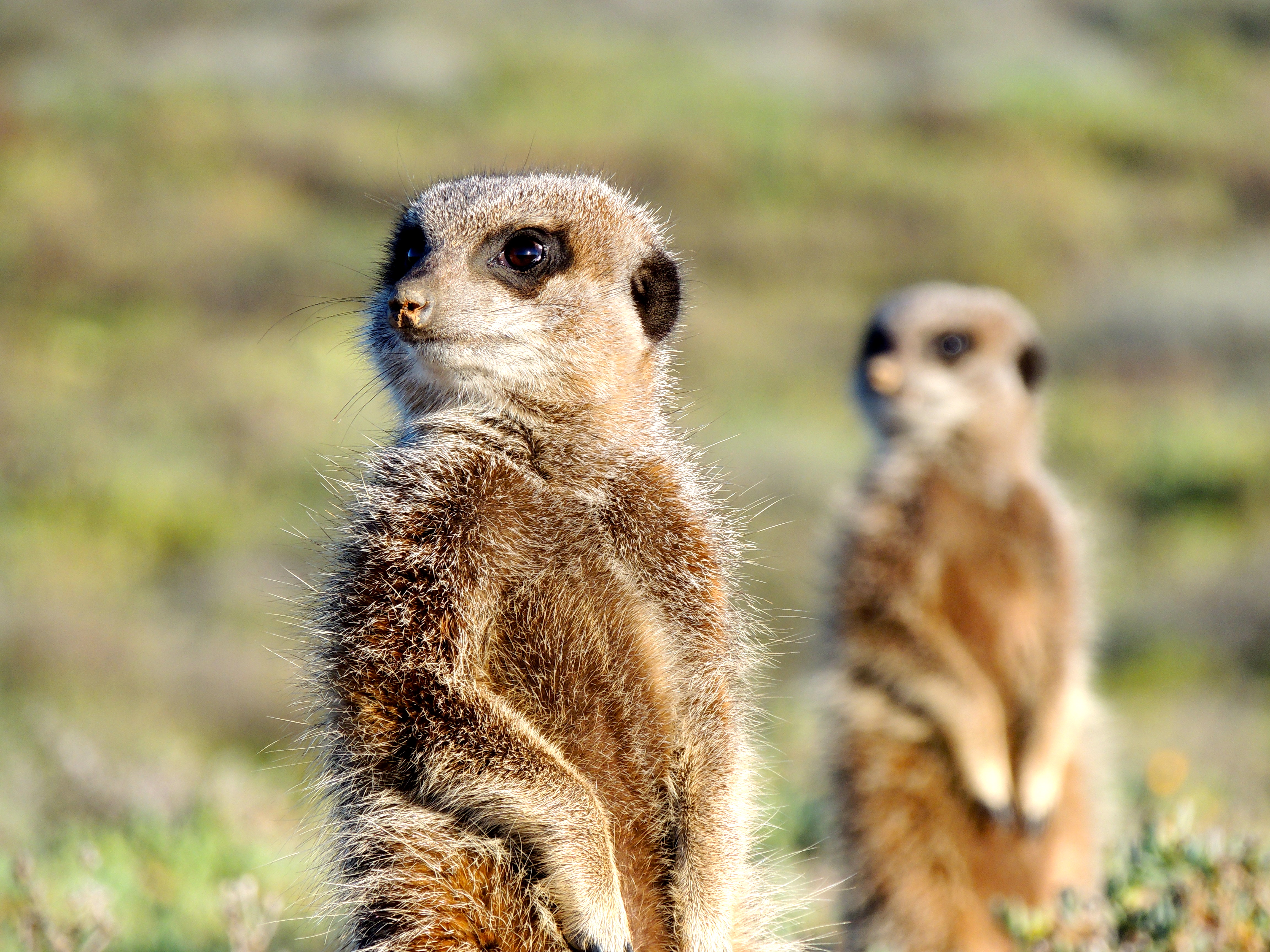
Living the meerkat life
Since these meerkats are totally wild, they don’t give them any food or chase off predators for them. Apparently the meerkats do that well enough on their own, as once their sentry sees a threat, the meerkats will cluster together in a group and jump up and down to scare the predator away.
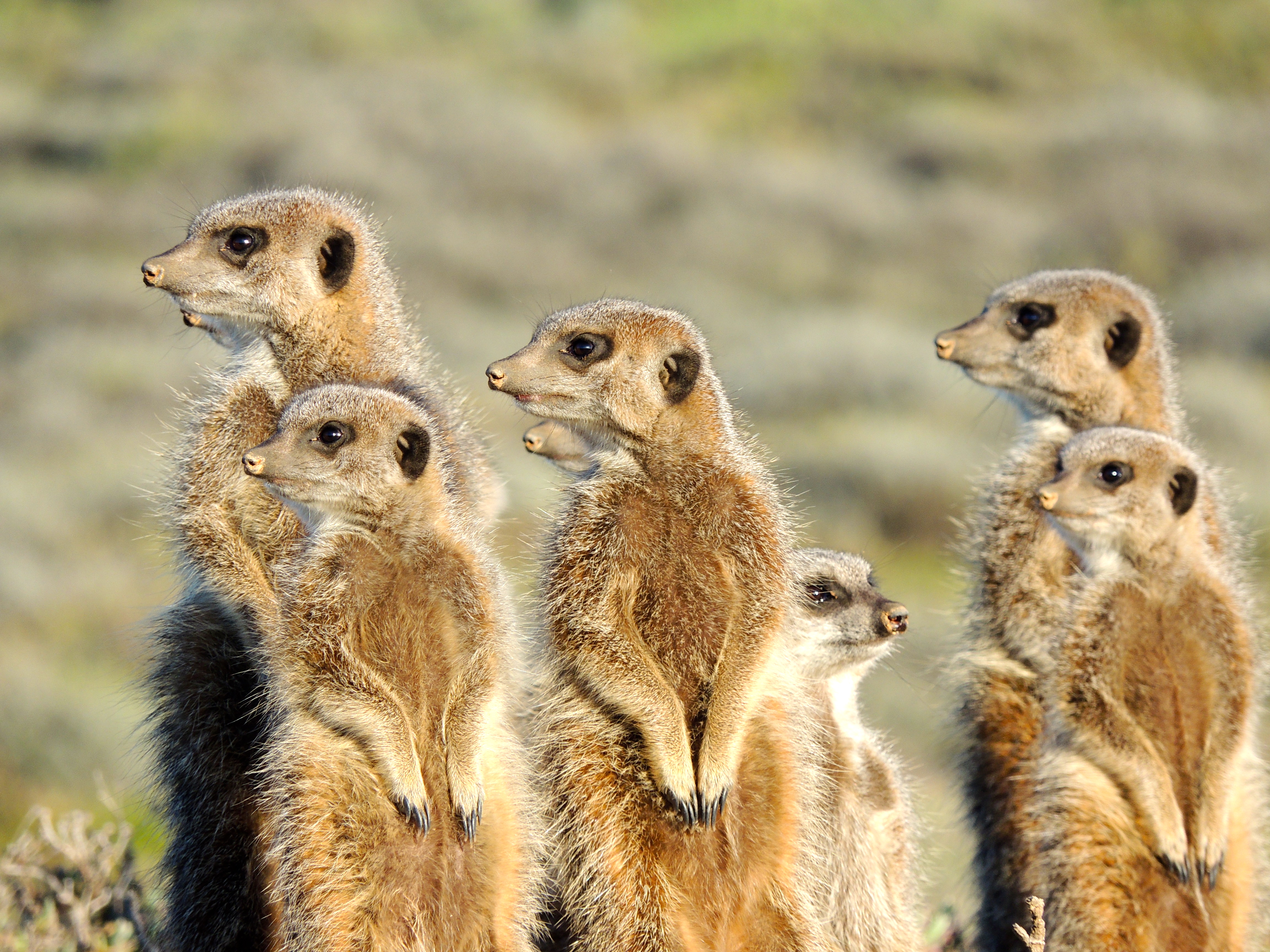
So alert!

Off to forage! One meerkat stays on sentry duty while the rest look for food.

Time for second breakfast!
After the meerkats went off to forage, we headed back to the lodge for second breakfast and to pick Dan up. We then went to the Cango caves, which are limestone caves dating back to the precambrian era.
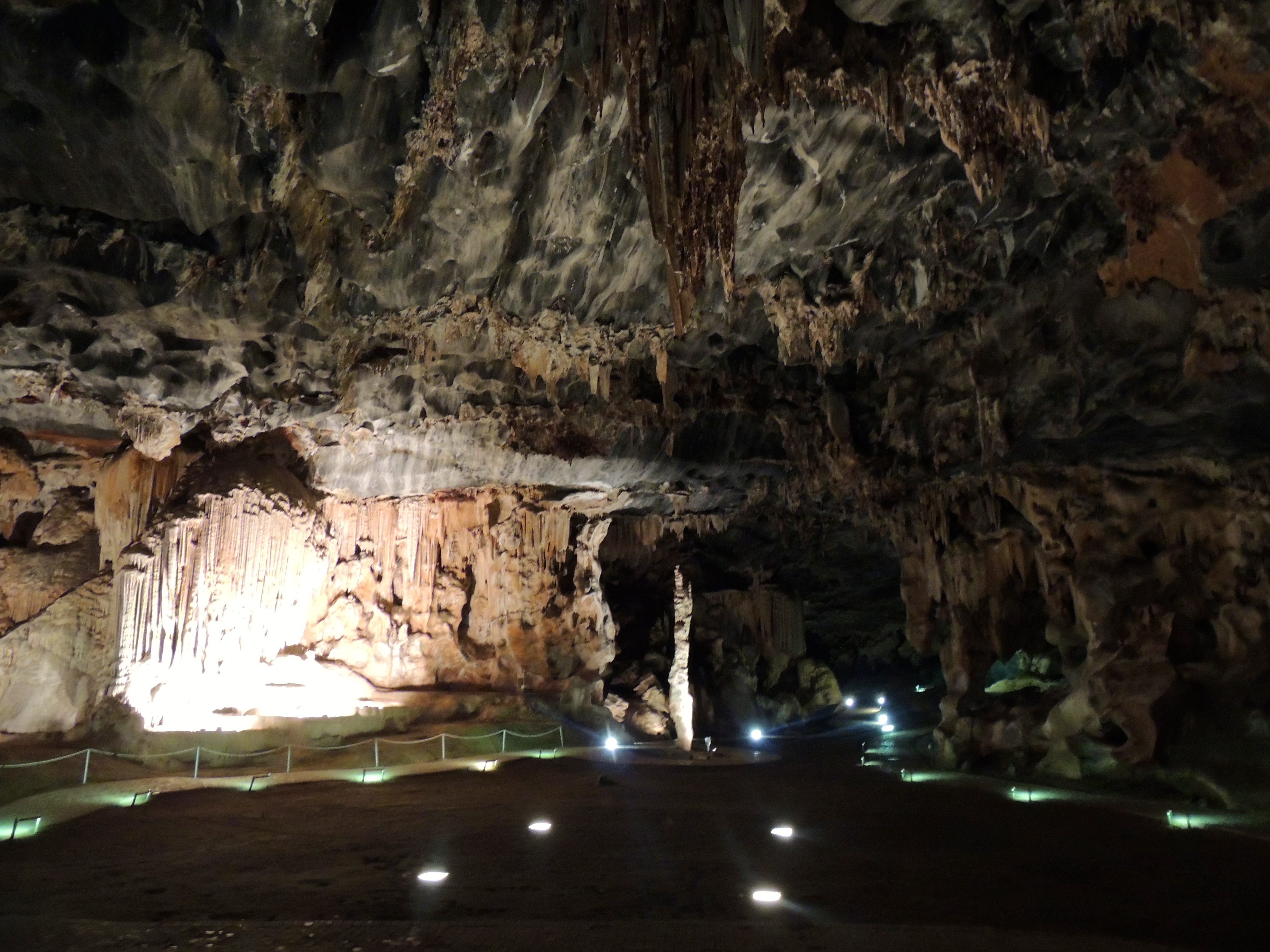
The first chamber in the Cango caves

Because when you’re in a cave and you have a large gold ring, you have to do your best Gollum
We took the “adventure tour,” which meant we got to crawl through four tunnels – the smallest one being 27cm high. The caves were so hot and humid, and the floor was so slippery!
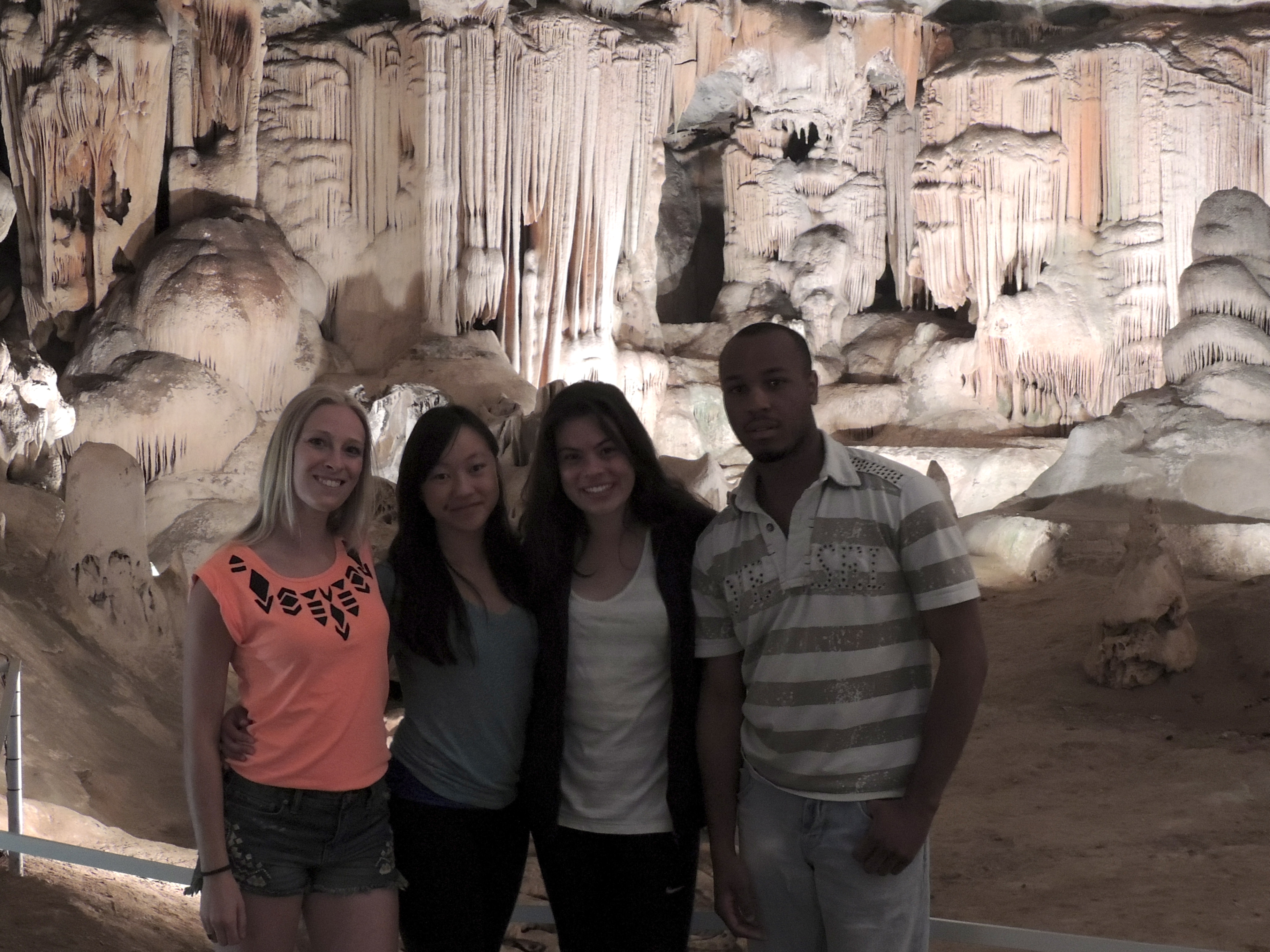
Pre-adventure tour
It was hilarious going through the tour though, because it was us, two fathers, and their four sons (who all looked around 8 years old). Of course the kids were just running and sliding through everything so easily while the rest of us struggled so hard.
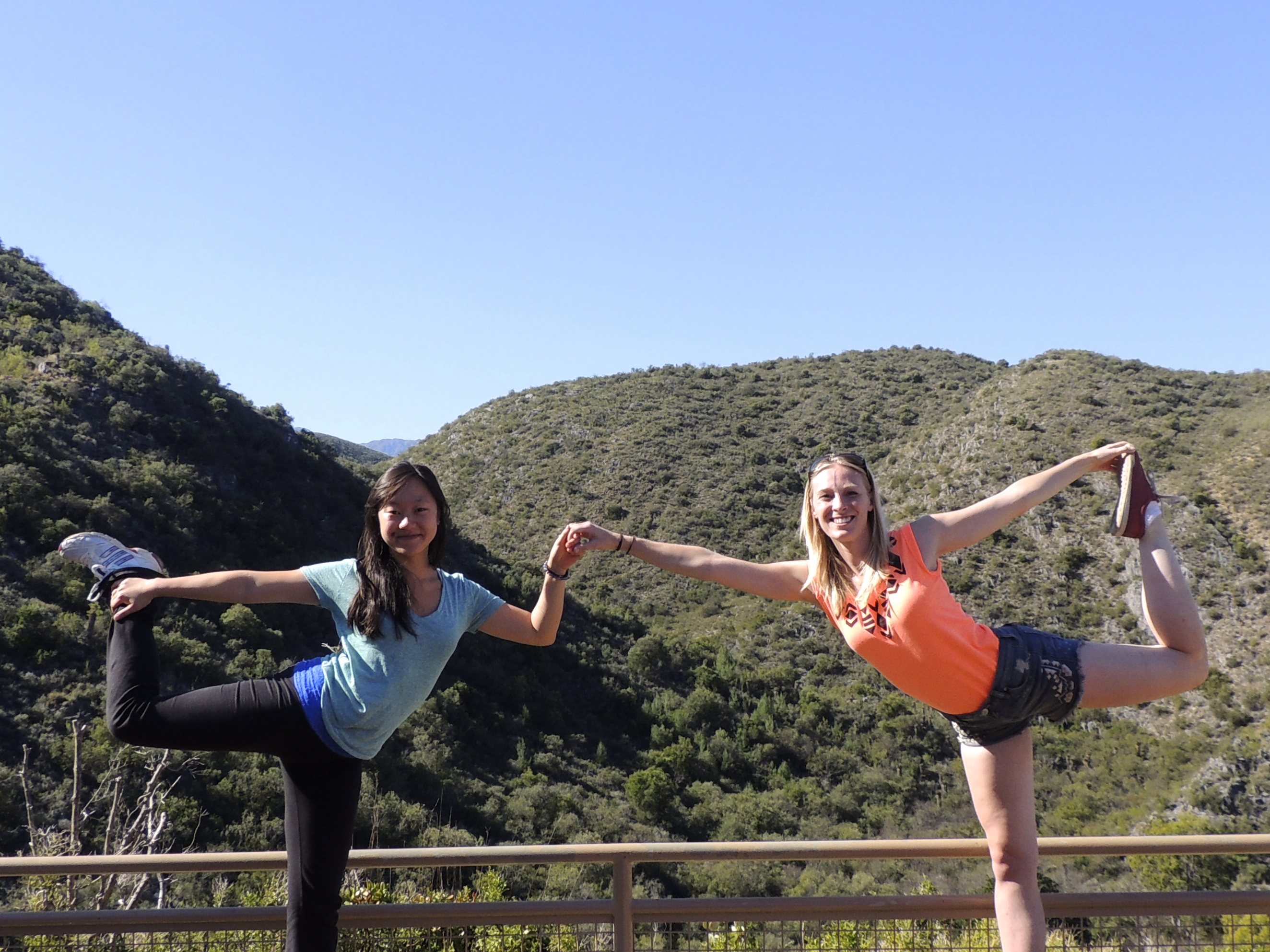
Whatever kids, bet you can’t do this
After the caves, we had a quick bite to eat and then started heading back to Cape Town.
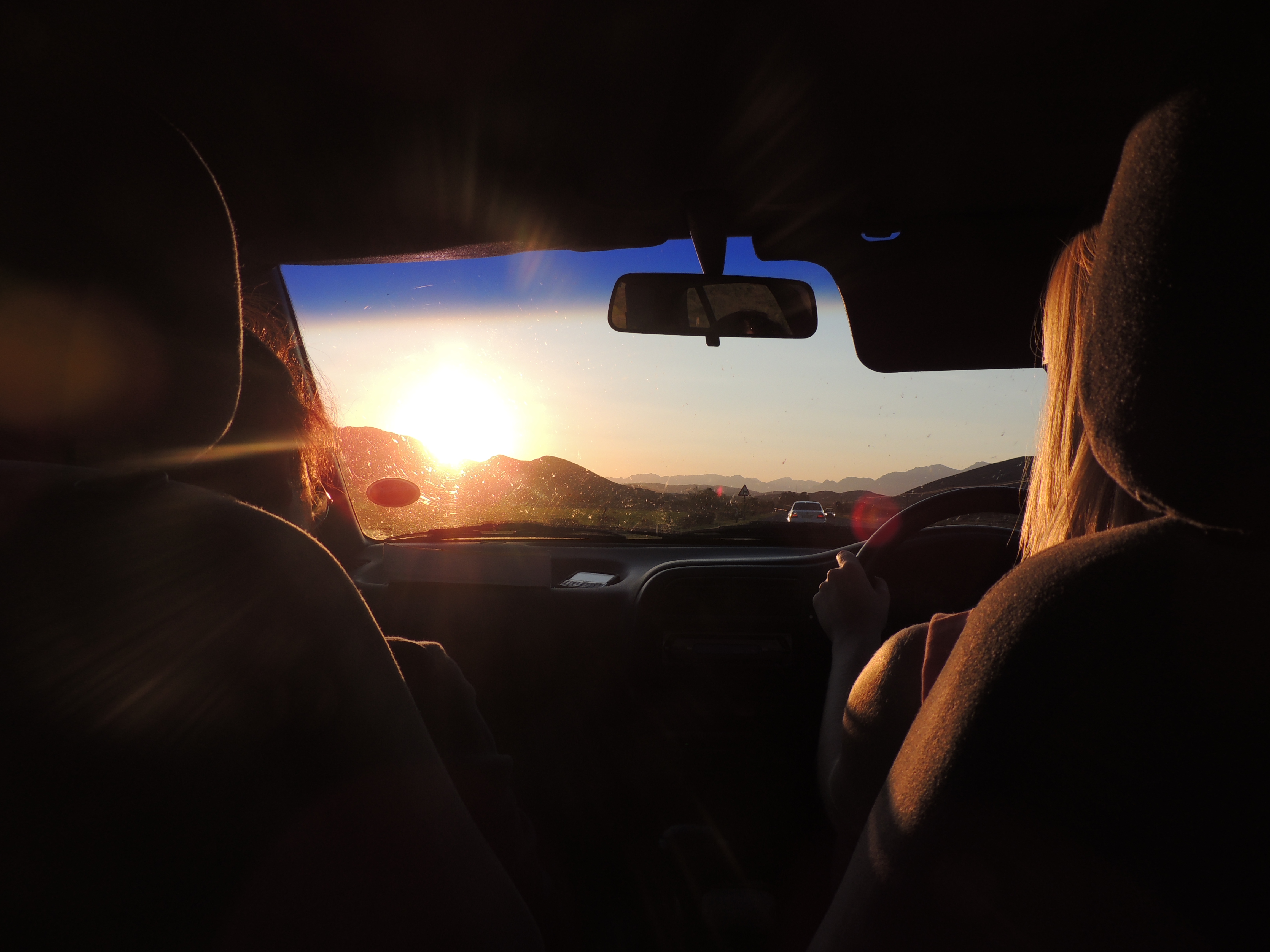
Back to the city
It was a beautiful drive, especially with the sun setting just as we reached the city.
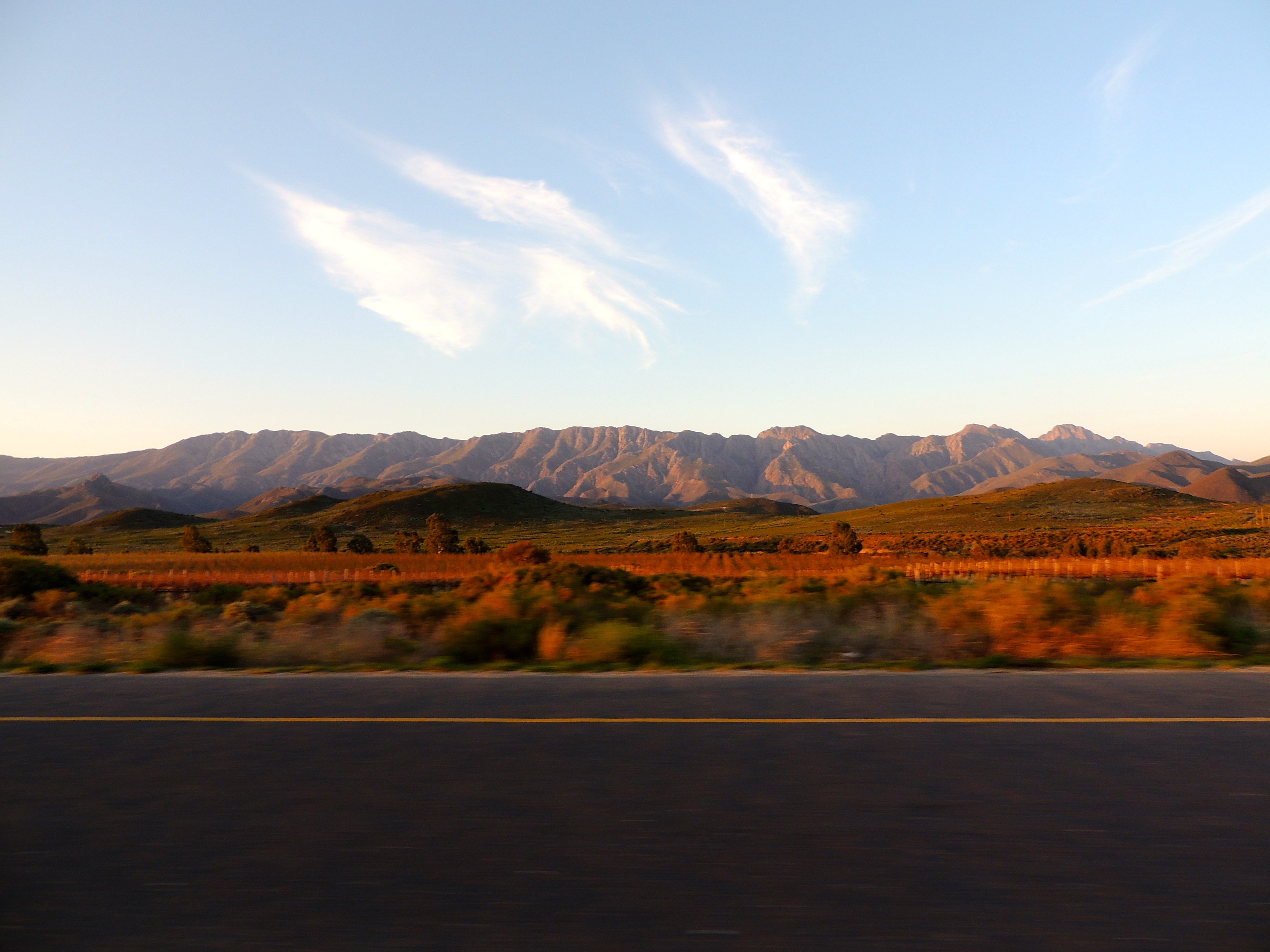
Sun starting to head down over the mountains
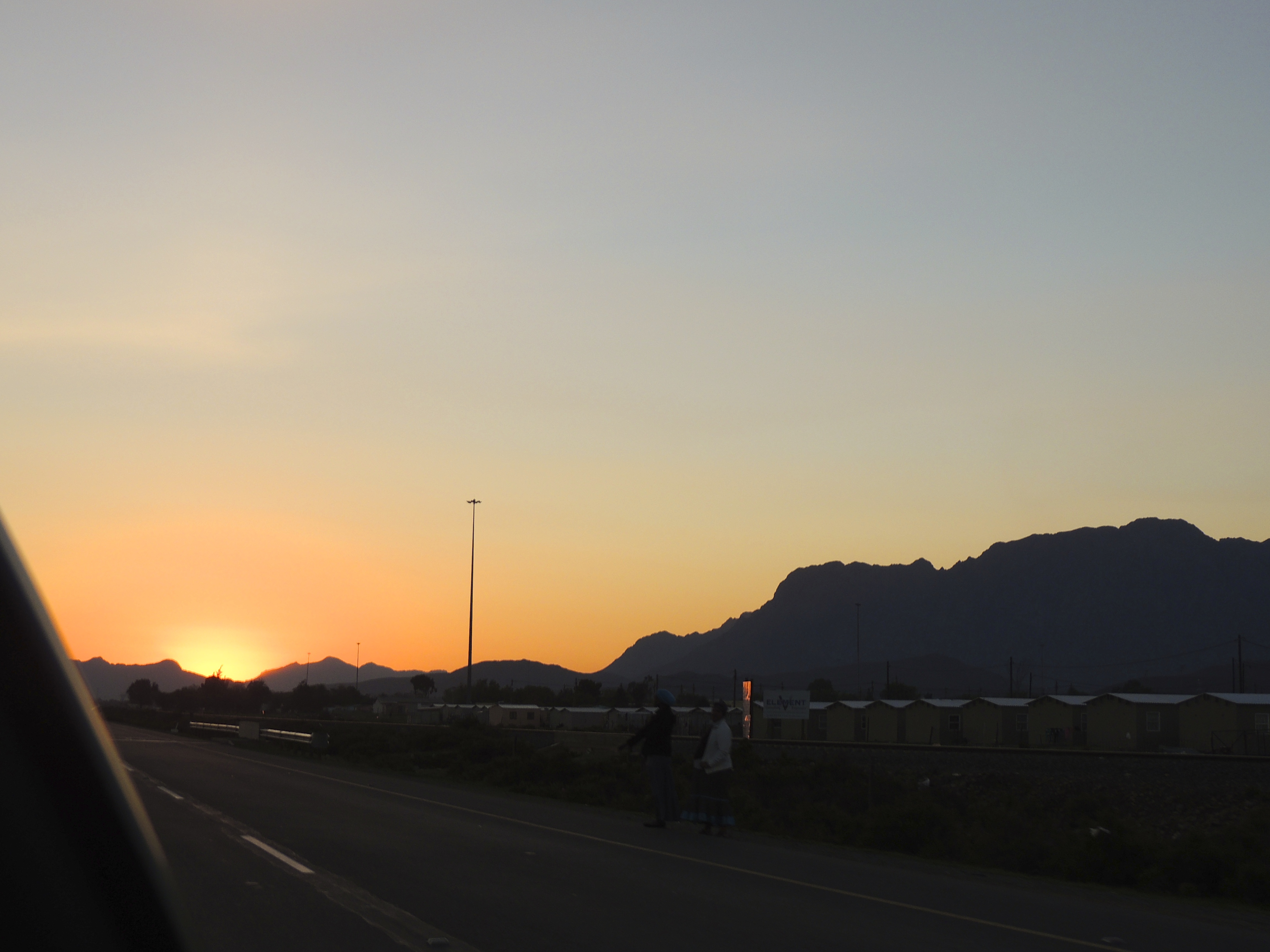
South African sunset
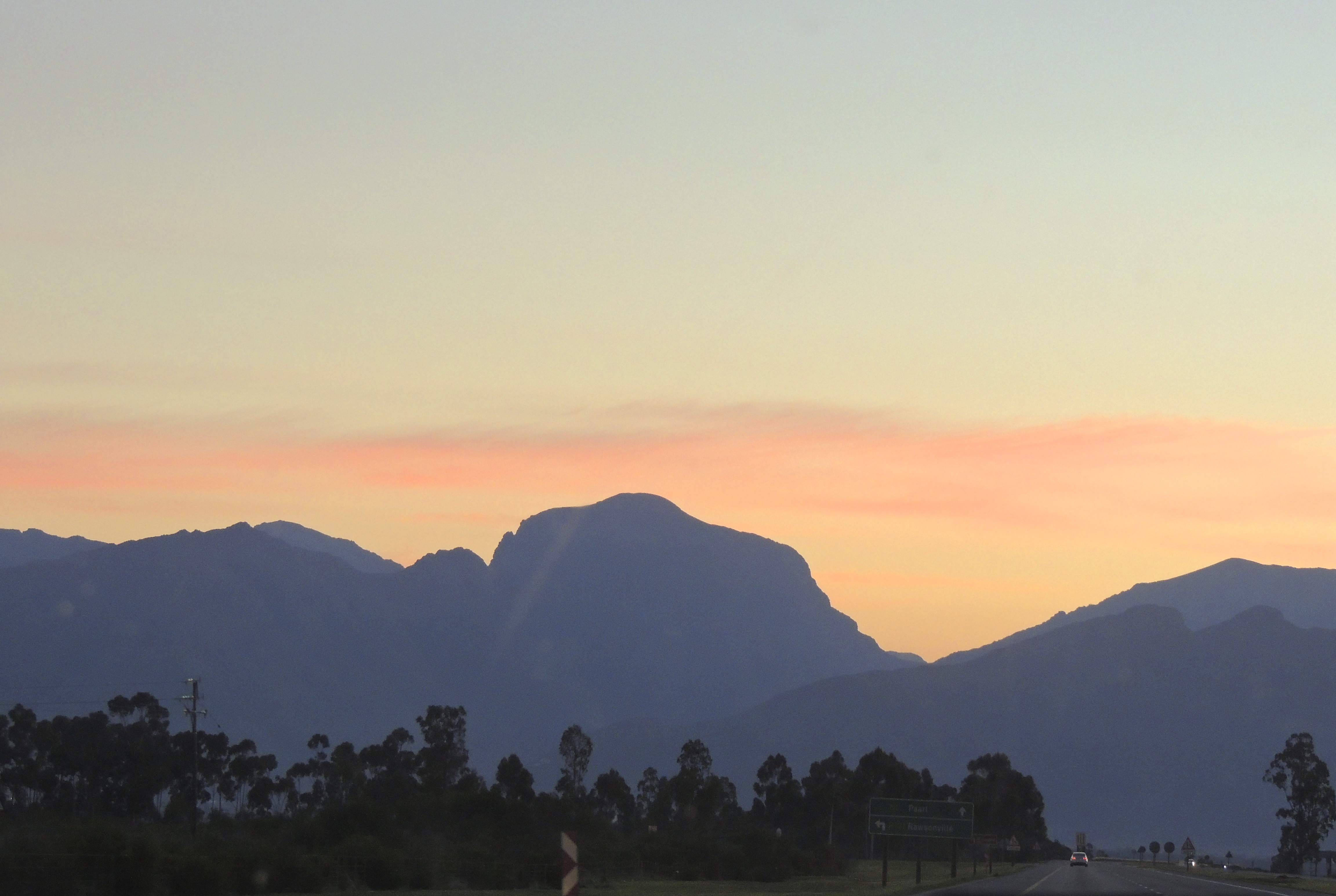
Sun going down just before the Huguenot Tunnel
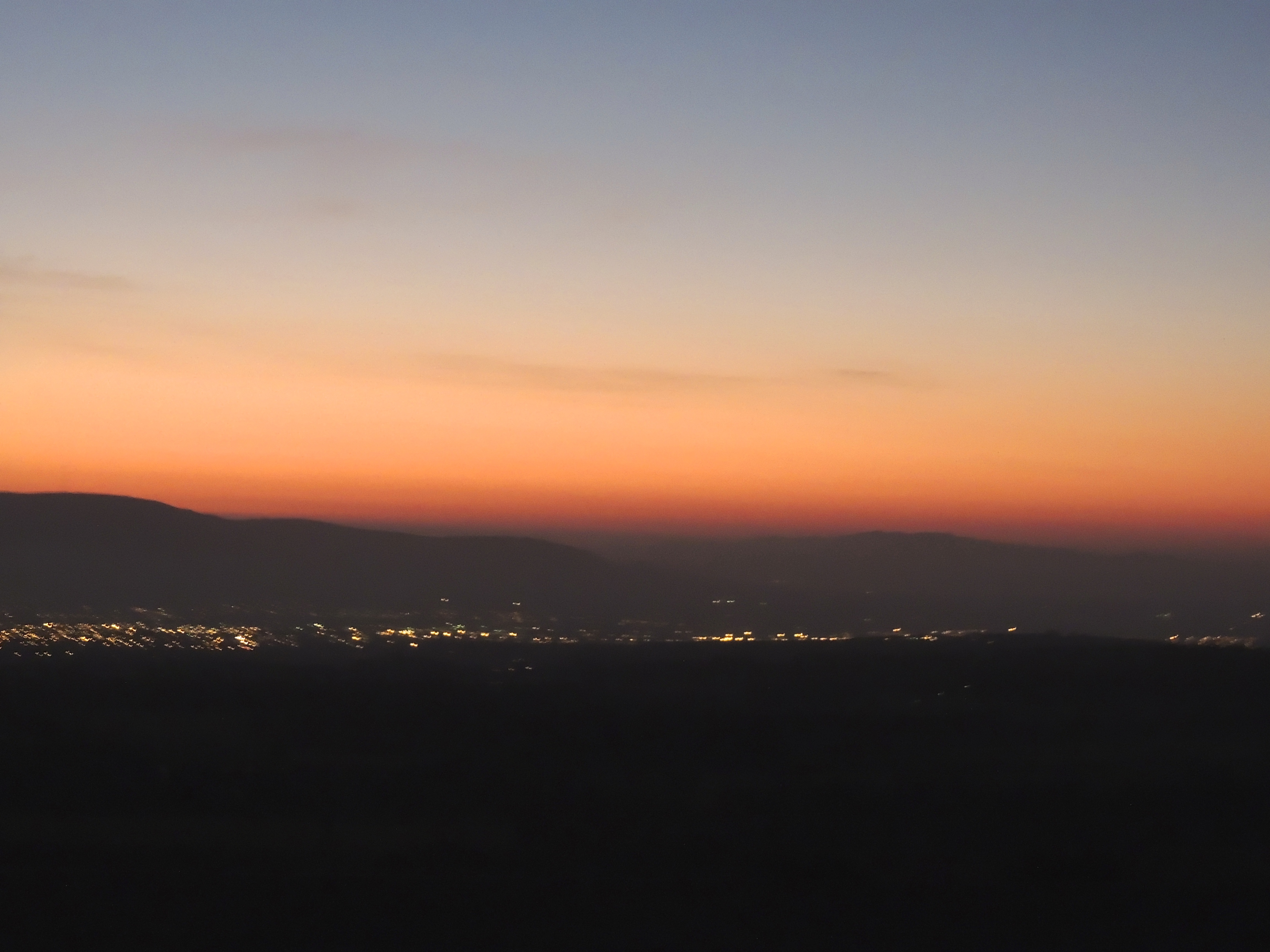
Dusk at Paarl to cap off our road trip
I should probably get started reading my cases! It was an awesome weekend, and I can’t wait until the next road trip!
 I am a part of all that I have met///Rose v Date